Silk Chiffon Fabric Manufacturer for Wholesale & Custom Orders
Carina Silk develops silk chiffon fabric programs for fashion brands, scarf and accessory labels, garment manufacturers, retailers and private-label buyers. Review the fabric direction, specification, colour, artwork and sampling route around the product you need to make.
- Undyed, plain-dyed and printed directions for product development
- Weight, width and hand-feel selection reviewed against the finished application
- Colour, artwork, surface and construction details clarified before sampling
- Quotation and sample review based on the actual fabric brief rather than a generic specification

What Is Silk Chiffon Fabric?
Silk chiffon fabric is a lightweight, semi-transparent silk fabric commonly made with a plain weave and high-twist yarns. Alternating S- and Z-twist yarns create a softly textured surface, while the open, light construction gives chiffon its airy movement and sheer appearance.
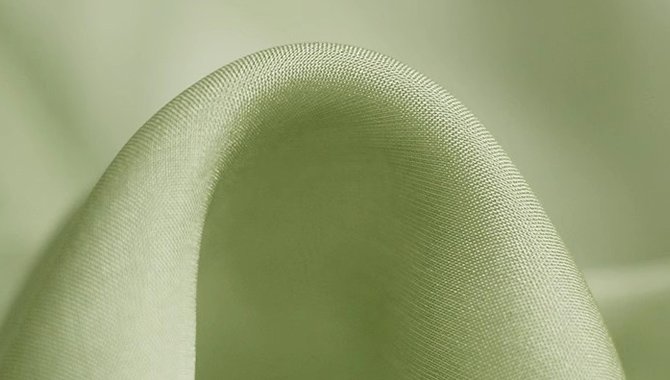
The details buyers should confirm
- Fibre content and the documentation supplied for the selected fabric
- Transparency, weight, width, face/reverse and hand feel
- High-twist yarn direction, seam handling and edge finishing
- Whether the product needs a natural base, solid dye, custom print or shrinkage treatment
Chiffon is not defined only by being thin. Review transparency, coverage, construction and the finished layer arrangement on the actual sample.
Factory Supply Details for Silk Chiffon Fabric
Carina Silk supports silk chiffon fabric sourcing with the same factory-backed capability used across its silk programs. Exact availability, documentation and commercial conditions are confirmed against the selected weight, width, colour, print, shrinkage and order brief.
6A Grade Mulberry Silk
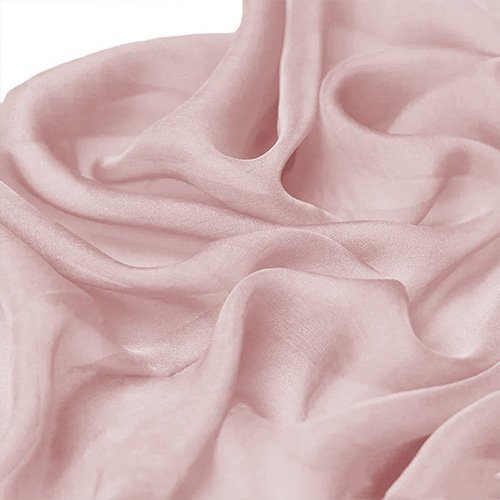
The factory range includes 100% 6A grade mulberry silk chiffon options for buyers who need a clearly defined natural-silk base for lightweight and sheer products.
96-Colour Dyed Range
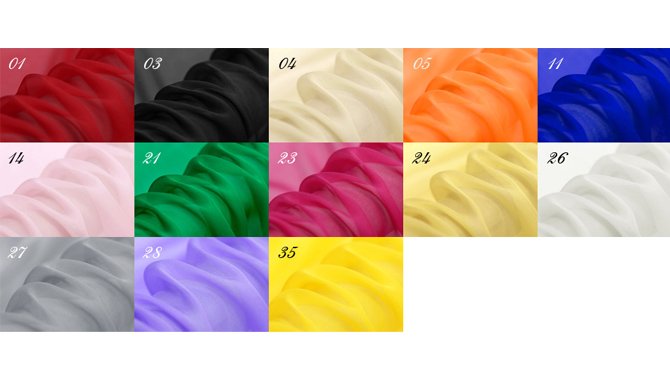
The wider plain-dyed program includes a 96-colour range. Final shade availability is reviewed against the selected chiffon weight, transparency, reference standard and production brief.
Low MOQ Options
Low MOQ routes are available for suitable programs. MOQ depends on weight, colour, printing method and order configuration, so it is confirmed in the quotation for the exact project.
OEKO-TEX STANDARD 100
The program is supported by OEKO-TEX STANDARD 100 certification. Ask for the current certificate scope when compliance documentation is required for your project.
5,000+ Brands and Enterprises
The factory has established relationships with more than 5,000 brands and enterprises across silk product and fabric programs.
These supply details support the first sourcing conversation; the final fabric, shade, artwork, quantity, certification documents and delivery conditions should always be confirmed for the exact order.
Silk Chiffon Fabric Options for Product Development
Choose the base and decoration route around the final layer, coverage and movement. Chiffon should be sampled in the intended colour and construction because transparency changes with weight, dye and print.
Undyed Silk Chiffon
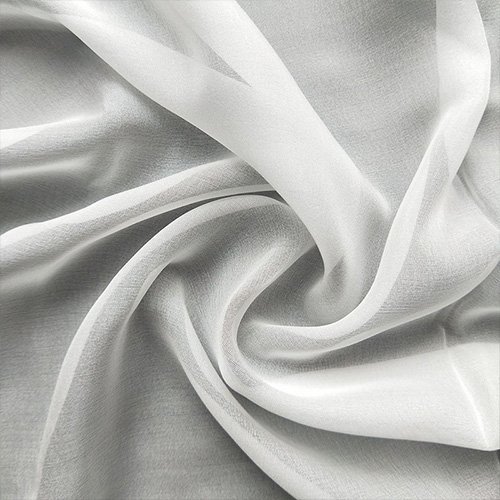
An undyed base gives the product team a reference for the original light surface and a starting point for dyeing, printing or other development work.
Plain-Dyed Silk Chiffon
A solid colour creates a controlled foundation for scarves, overlays, dresses, blouses and private-label collections. Share a colour reference and finished use.
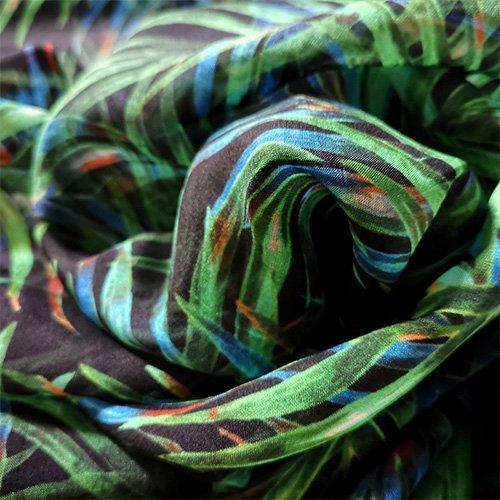
Printed Silk Chiffon
Custom artwork can be developed as a repeat, placement or panel direction. Confirm scale, colour, bleed, print side, usable width and layer arrangement.
| Fabric direction | Useful when | Buyer information to prepare |
|---|---|---|
| Undyed or natural base | The colour or print route is still being developed | Reference fabric, intended finish and development objective |
| Solid dyed | The collection needs a controlled colour program | Colour reference, shade tolerance and finished application |
| Custom printed | Artwork is central to the product or brand story | Artwork file, repeat, placement, colour reference and usable width |
Silk Chiffon Fabric Weight and Width Specifications
The following factory references frame the first quotation conversation. The selected sample should be checked for transparency, drape, print appearance, seam handling and finished coverage.
| Reference | Width / construction | Buyer decision | Composition / note |
|---|---|---|---|
| 6mm | 114cm / 140cm | 26gsm approximate reference | 100% Silk |
| 8mm | 114cm / 140cm | 34gsm approximate reference | 100% Silk |
| 10mm | 114cm / 140cm | 43gsm approximate reference | 100% Silk |
| 12mm | 114cm / 140cm | 51gsm approximate reference | 100% Silk |
| Width direction | 45in / 55in references on selected programs | Custom sizes can be reviewed for the project | Confirm usable width on quote |
| Shrinkage treatment | Project dependent | Professional treatment targeting approximately 3% average shrinkage can be reviewed for suitable programs | Confirm on approved sample |
Availability can vary by colour, print route, finishing and order configuration. Confirm the production specification, usable width, tolerance and packing format on the quotation and approved sample.
Silk Chiffon Fabric Features and Benefits
Silk chiffon is selected for lightness, transparency and movement. Those qualities create design opportunities but also require careful decisions around coverage, cutting, seams and care.
Lightweight and Sheer
The light construction can create airy layers and a soft visual effect. Match transparency to the lining and finished product plan.
Fluid Movement
Silk chiffon can flow and shape into soft silhouettes, but the finished fall depends on weight, grain, seams, gathers and layer count.
- Check the sample in the intended garment or accessory construction.
Breathable Layering
A lightweight silk layer can suit warm-weather products when coverage, lining and customer care are planned together.
- Do not use “cool” or comfort claims without tying them to the actual product and market.
High-Twist Texture
Alternating S- and Z-twist yarns contribute to chiffon’s slightly textured hand and movement. The exact surface should be confirmed on the selected weight.
- Inspect face, reverse, edge and print behaviour.
Delicate Handling
Chiffon needs careful cutting, sewing, edge finishing, packing and care communication because its light construction can be sensitive to handling.
- Test the intended needle, seam, hem and care route before bulk approval.
Silk Chiffon Fabric Applications
Silk chiffon fabric can support lightweight fashion and accessory programs where transparency, movement and layering are part of the design decision.
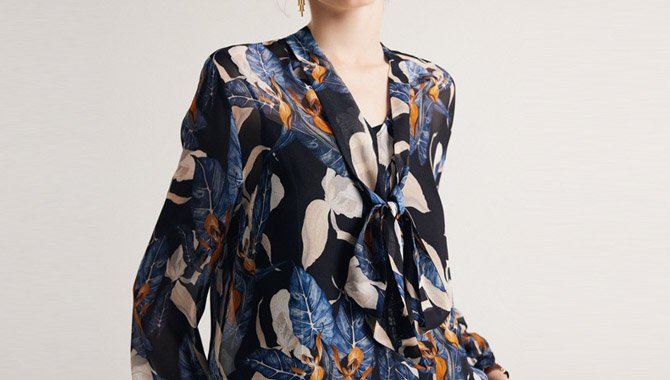
Dresses and Skirts
Review lining, layer count, seams, gathers, drape and finished coverage for dresses, skirts and flowing silhouettes.
Scarves and Wraps
Compare transparency, print scale, edge finishing and fold behaviour for scarves, wraps and lightweight accessories.
Overlays and Occasionwear
Chiffon can be considered for dress overlays, bridal-party gowns, sleeves, panels and decorative layers when the construction supports it.
Blouses and Tunics
Review opacity, lining, movement, neckline, cuffs and care for blouses, tunics and lightweight tops.
Hair and Fashion Accessories
Consider bows, hair scarves, headbands and other accessories where a sheer, soft layer is part of the visual direction.
Printed Fabric Collections
Retailers and brands can build a collection around weight, colour, transparency, print direction, usable width and end-use guidance.
Carina Silk also develops custom silk scarves. Review the related silk satin fabric and silk twill fabric programs, or see About Carina Silk for manufacturing context.
Silk Chiffon vs Silk Crepe De Chine, Satin and Organza
Use this comparison to frame the sample request. Weight, fibre content, finishing and layers can change the final appearance within each fabric family.
| Fabric direction | Surface / structure | Often considered for | Key review point |
|---|---|---|---|
| Silk chiffon | Lightweight, sheer plain-weave direction with airy movement | Overlays, scarves, dresses, blouses and lightweight layers | Check transparency, seam handling, edge and lining |
| Silk crepe de chine | Fine pebbled texture, softer coverage and fluid drape | Dresses, blouses, scarves, linings and selected home textiles | Check texture, opacity, weight and shrinkage |
| Silk satin | Smoother and more reflective surface with fluid drape | Scarves, sleepwear, lingerie, dresses and home textiles | Check sheen, opacity, weight and care |
| Silk organza | Crisper, more transparent structure with more body | Structured overlays, bows, volume and decorative details | Check stiffness, edge finishing and desired shape |
These are directional comparisons. Fibre content, weight, finish, dyeing, printing and construction can change the final result, so the approved swatch or sample remains the decision point.
Custom Dyeing, Printing and Sheer-Fabric Development
A useful silk chiffon fabric brief connects the visual artwork to the layer and coverage plan. Send the colour or artwork, weight, width and finished construction together so transparency and print behaviour can be evaluated correctly.
Solid Colour Programs
Approve shade on the selected chiffon weight because transparency and layer count influence the perceived colour.
Repeat and Placement Artwork
Define scale, repeat, placement, bleed, print side, colour reference and usable width, then check the design across the intended layers.
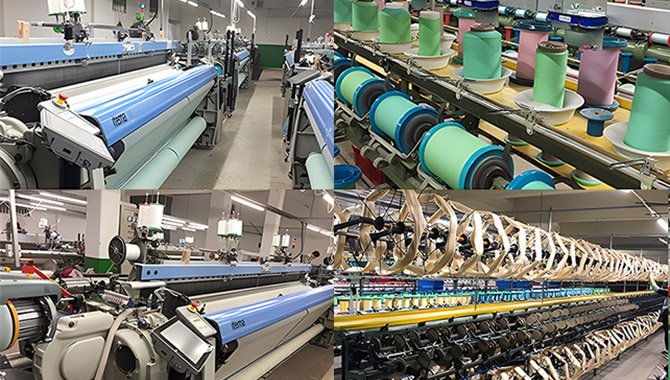
Shrinkage and Edge Finishing
Confirm whether a shrinkage treatment is needed and how hems, rolled edges, gathers, seams and packing will be handled.
Silk Chiffon Fabric Sampling and Production Workflow
A staged review keeps transparency, print, shrinkage and edge handling connected to the finished product before bulk production.
01. Define the Layer and Product
Share the item, layer count, lining or coverage plan, target market, hand-feel direction, weight, width, colour or artwork, quantity and destination.
02. Review the Fabric Route
Carina Silk reviews the chiffon construction, dye or print route, width, shrinkage reference, edge treatment and documentation needed for the quotation.
03. Approve the Sample
Check transparency, surface, shade, print, weight, width, drape, seam, hem, shrinkage and care direction on the intended construction.
04. Confirm Bulk Details
Lock the approved specification, usable width, tolerance, artwork, quantity, packing and inspection points before production.
05. Inspect and Pack
Review the agreed quality points and roll or finished-product packing instructions before shipment.
For the fastest first review, send the product reference, preferred specification, colour or artwork, estimated quantity and delivery destination in one message. You can also use the Carina Silk contact page.
Quality, Certification and Chiffon Fabric Checks
Quality expectations should be written against the exact silk chiffon program. Transparency, shade, print, shrinkage and delicate handling should be reviewed against the approved sample.
Fabric Specification
Confirm fibre content, weight, width, usable width, construction, face/reverse, transparency and packing format.
Transparency and Surface
Check lightness, sheerness, high-twist texture, visible defects, face/reverse and the coverage created by the final layer plan.
Colour and Print
Review the approved shade, artwork, repeat, placement, scale, bleed, print side, registration and print coverage.
Shrinkage and Dimensions
Confirm the shrinkage reference, cutting allowance, finished dimensions, seams, hems and edge treatment around the intended product.
Documentation
Request the current OEKO-TEX STANDARD 100 certificate scope and any project documents required by the buyer or market.
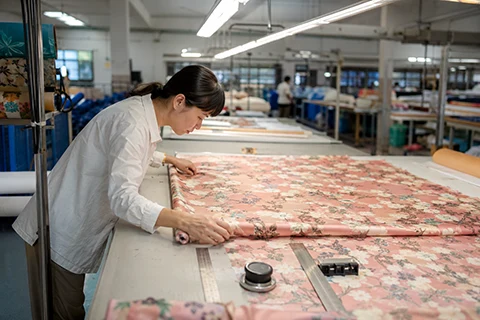
Factory Inspection
Use the agreed sample and inspection points to review delicate surfaces, roll condition, visible defects and packing.