Custom Kimono Manufacturer for Wholesale & Private Label
Carina Silk develops custom kimonos for fashion labels, resort collections, beauty and spa programs, gifting companies and private-label buyers. Build the garment around the silhouette, fabric, artwork, fit, branding and presentation your channel requires.
- Short jackets, long robes, cardigans and kimono-inspired outer layers
- Silk, selected silk blends and alternative fabric directions reviewed by style
- Custom artwork, colour, labels, care details and packaging discussed in one brief
- Sample review used to confirm the garment before bulk production
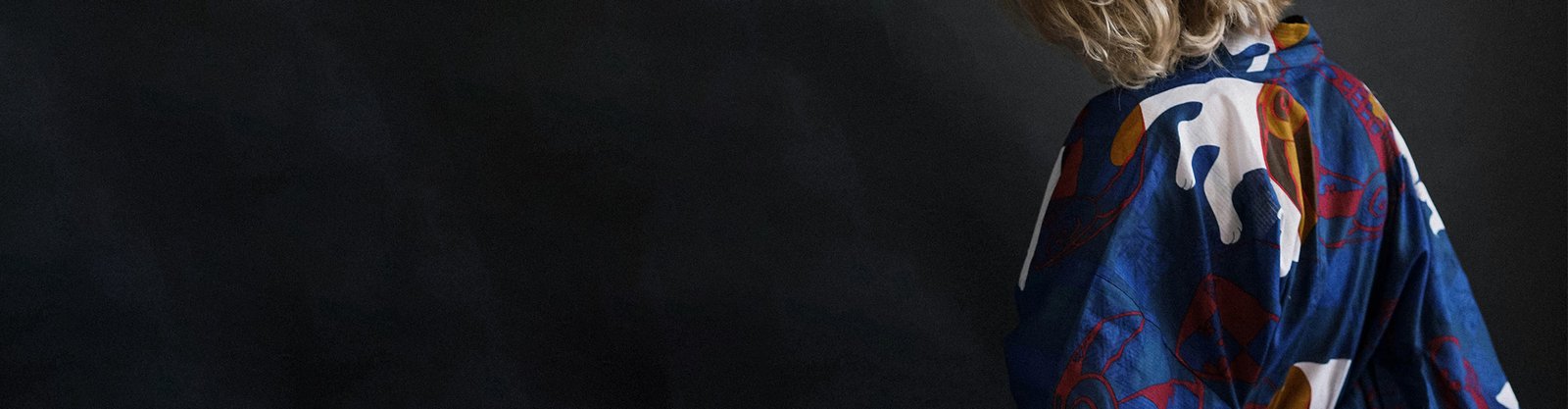
Custom Kimono Styles for Different Product Lines
Start with the way the garment will be worn, sold and presented. The product direction influences the proportion, fabric, artwork layout, finishing and packaging decisions that follow.
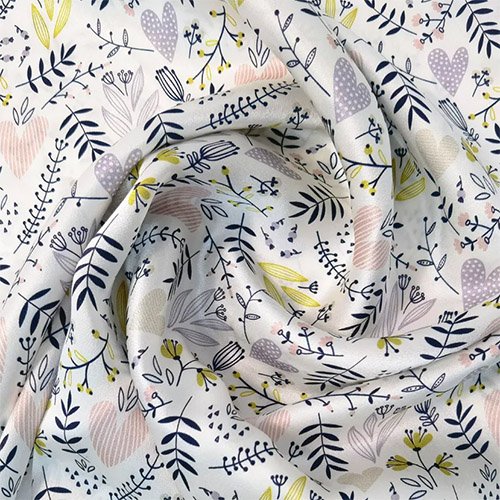
Silk Kimono Robes
A softer robe direction can suit sleepwear, loungewear, gifting, hotel amenities and premium at-home collections. Confirm the drape, length, sleeve volume and tie or sash construction together.
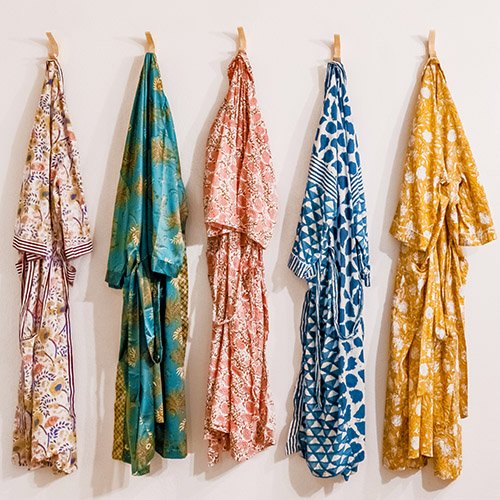
Kimono Jackets and Cardigans
A shorter outer layer can be planned for everyday styling, resort edits, fashion drops or a coordinated capsule. Review the opening, sleeve shape, hem and layering use.
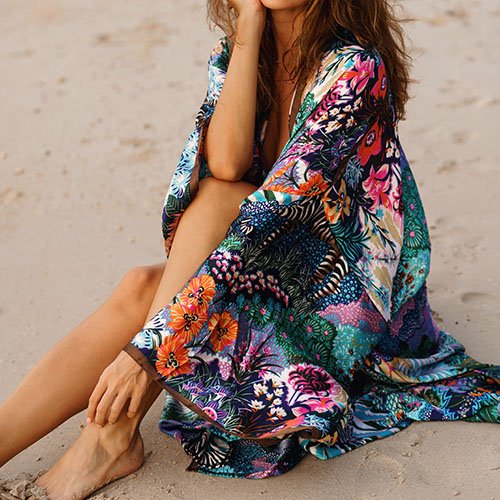
Printed Statement Kimonos
Use the garment as a larger artwork surface for repeat prints, placement artwork, colour blocks, botanical themes or campaign-led designs.
Beauty, Spa and Resort Programs
Plan the kimono around the setting, wearer and handover moment, including treatment use, guest gifting, holiday collections or beauty-box presentation.
Private-Label Fashion Collections
Develop a repeatable style with the brand label, care information, colour story and packing direction ready for your retail or ecommerce channel.
Reference-Based Development
Send a sketch, sample, image or tech pack when you need a particular neckline, sleeve proportion, sash, length or decorative finish.
Fabric Selection for Custom Kimonos
Fabric changes the hand feel, sheen, drape, print appearance, care direction and target cost position of the finished garment. Review the fabric with the actual style rather than choosing it in isolation.
Silk and Silk Satin Directions
Silk can create a refined surface and fluid drape for premium robes, resort pieces, fashion capsules and gifting. Confirm the selected weave, weight, colour result and care wording for the style.
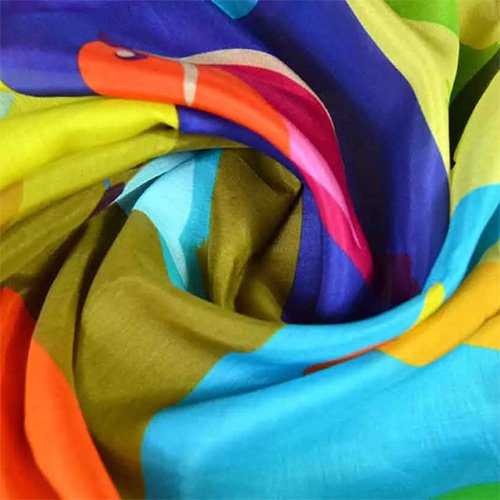
Silk Cotton
A silk-cotton direction can be considered when the brief calls for a different balance of surface, hand feel and everyday positioning. Confirm the fibre content and final construction on the sample.
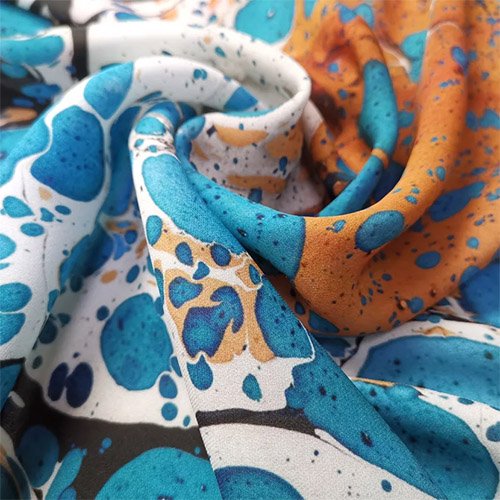
Silk Tencel and Selected Blends
Selected blends can give buyers more ways to balance softness, drape, surface character and target cost. The exact blend and care direction remain specific to the chosen fabric.
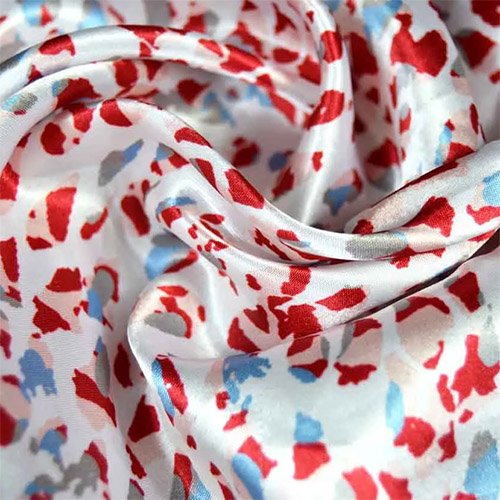
Polyester and Other Alternatives
Polyester, viscose, rayon, cotton or other options can be reviewed when print handling, care, price position or end use differs from a pure-silk brief.
Design Details to Confirm Before Sampling
A clear design brief reduces avoidable changes because the visible style and the construction underneath it are reviewed together.
Kimono specification map
| Decision area | Possible direction | Detail to confirm |
|---|---|---|
| Silhouette | Robe, jacket, cardigan or outer layer | Use case, wearer, channel and reference style |
| Neckline and opening | Square, V, open front or another controlled shape | Overlap, collar width, facing and artwork boundary |
| Sleeves | Short, long, wide, 3/4 or gathered direction | Finished length, volume, cuff or edge finish |
| Body and hem | Short, mid-length or long proportion | Finished measurements, side opening and movement |
| Sash or belt | Separate tie, attached tie or no sash | Width, length, loops, print placement and packing |
| Surface and branding | Print, solid colour, embroidery, label or hangtag | Artwork, logo method, location and care wording |

Artwork, Printing and Finishing Options
The artwork route should be selected with the fabric, panel layout, seams and final presentation in mind. Sampling shows how the design behaves on the actual garment.
All-Over and Repeat Artwork
Repeat patterns can give the robe or jacket a consistent surface across the body, sleeves and sash. Mark the repeat scale and the key placement areas in the artwork brief.
Placement Prints and Colour Blocks
A focused motif, border, logo or colour-block arrangement can be planned around the neckline, front opening, cuffs, hem or back panel.
Solid Colours and Contrast Details
Plain-dyed styles can use contrast piping, binding, cuffs, reverse panels or sash details when the construction supports the direction.
Print and Seam Review
Check artwork scale, colour, print direction and how the design meets seams, folds, sleeve joins, collar edges and the sash.
Artwork files to prepare
- Logo or print artwork in a usable high-resolution format
- Colour references and intended repeat, scale or placement
- Finished garment measurements or a reference sample
- Notes for safe areas, seams, labels and any areas that must remain plain
If the design is still developing, start with a reference image and the intended wearer. The sample discussion can then focus the practical artwork setup.
Private-Label Branding and Kimono Packaging
Packaging is part of the product brief because folding, labels, inserts and outer presentation affect the finished customer experience and shipping format.
Woven or Printed Labels
Discuss brand, size, fibre and care information with the garment construction so the label sits cleanly and communicates the required product details.
Hangtags and Insert Cards
Add a product story, styling direction, care guidance, barcode or gift message where it supports the retail, spa or gifting program.
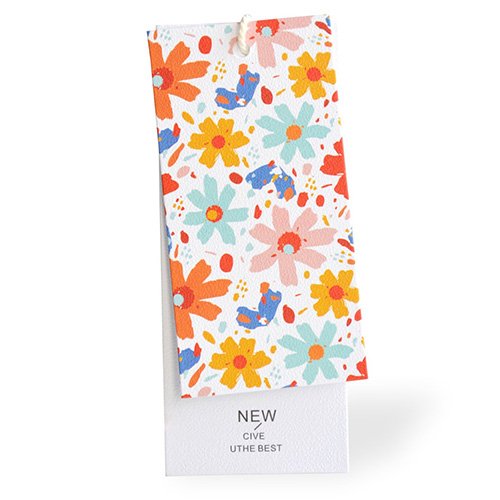
Pouches, Sleeves and Boxes
Choose an individual packing route around the folded garment, protection requirement, presentation and channel. Confirm the finished package dimensions with the sample.
Size, Fit and Finished Measurements
A kimono-inspired garment can be relaxed or more structured. The correct measurement set depends on the intended wearer, layering use, length, sleeve shape and channel.
Measurements to include
| Measurement area | Why it matters |
|---|---|
| Body length | Controls the proportion of a short jacket, mid-length layer or longer robe |
| Chest and sweep | Sets the ease, overlap and way the garment hangs on the wearer |
| Sleeve length and opening | Changes coverage, movement and the visual balance of the style |
| Shoulder or yoke direction | Helps align the intended relaxed or more structured fit |
| Sash or belt dimensions | Affects tying, proportion, print placement and package size |
| Size grading | Confirms how measurements change across the planned size range |
Send a measurement chart, reference garment or fit notes where available. If the size range is not final, identify the target wearer and intended ease so the first sample has a clear purpose.
From Kimono Brief to Bulk Production
The safest route is to confirm the garment in stages: creative brief, material and construction review, sample approval, then a locked bulk specification.
A practical four-step workflow
- 1. Share the brief. Send the reference style, intended wearer, measurements, artwork, fabric direction, quantity and packing idea.
- 2. Review the construction. Confirm silhouette, sleeve, neckline, sash, fabric, colour, print setup, branding and packaging details.
- 3. Approve the sample. Check hand feel, fit, colour, artwork, seams, finishing, labels and folded presentation against the brief.
- 4. Lock the bulk brief. Record the approved details and inspection points before the production quantity is confirmed.
Quality checkpoints
- Fabric identity, surface and colour against the selected reference
- Finished measurements, symmetry, sleeve and sash proportions
- Print scale, colour balance, placement and seam alignment
- Stitching, edge finishing, labels, folding and packaging
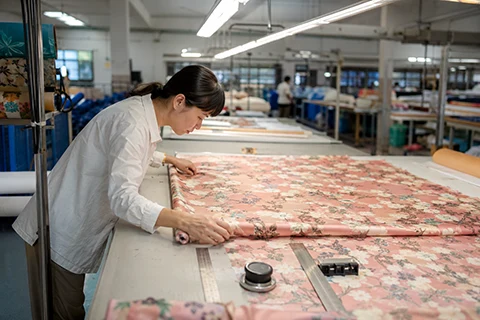
Who Buys Custom Kimonos?
The same manufacturing route can support different commercial programs, but the product brief should start with how the garment will be sold, worn and presented.
Fashion and Resort Labels
Develop a statement layer, printed capsule or seasonal robe around the label’s silhouette, artwork language, colour story and retail presentation.
Beauty, Spa and Wellness
Plan a robe or outer layer for treatment settings, beauty gifting, launch programs or coordinated self-care collections.
Hospitality and Guest Gifting
Specify the garment, label and package for hotel, resort, destination or event programs where presentation and repeatability matter.
Gifting and Private Label
Create a branded garment with artwork, care details and packing prepared for ecommerce, seasonal gifting or a curated product range.
A Clear Brief Makes Custom Kimono Sourcing Easier
Carina Silk keeps the discussion focused on the decisions that change the finished garment: material, fit, artwork, construction, branding, packing and the approved comparison point.
What the production team needs to review
- Reference style, sketch, tech pack or sample
- Intended wearer, use case and sales channel
- Fabric, colour, artwork and finished measurement direction
- Quantity by style or colour, branding and packaging needs
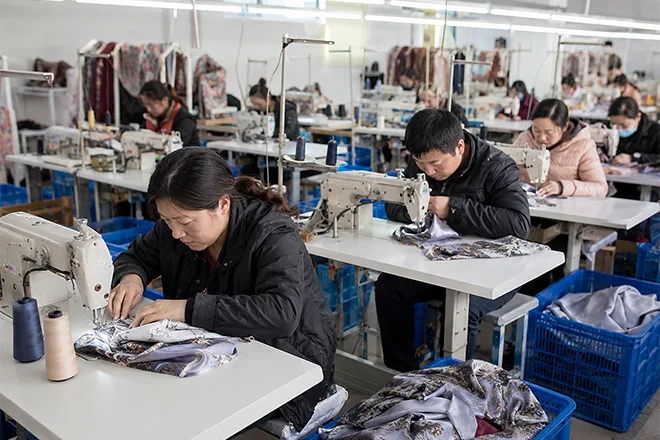
Custom Kimono FAQ
These answers cover the questions that usually affect a custom kimono quotation. The final specification and commercial conditions are confirmed against the exact project brief.
Tell Us About Your Project
Include the style reference, intended wearer, measurements, fabric or colour direction, artwork, quantity, branding and packaging idea.