Silk Satin Fabric Manufacturer for Wholesale & Custom Orders
Carina Silk develops silk satin fabric programs for fashion brands, scarf and accessory labels, sleepwear and home-textile manufacturers, retailers and private-label buyers. Review the fabric direction, weight, colour, artwork, width and sampling route around the product you need to make.
- Undyed, plain-dyed and printed silk satin directions for product development
- Weight and hand-feel selection reviewed against the finished application
- Colour, artwork, repeat, surface and usable-width details clarified before sampling
- Quotation and sample review based on the actual fabric brief rather than a generic specification
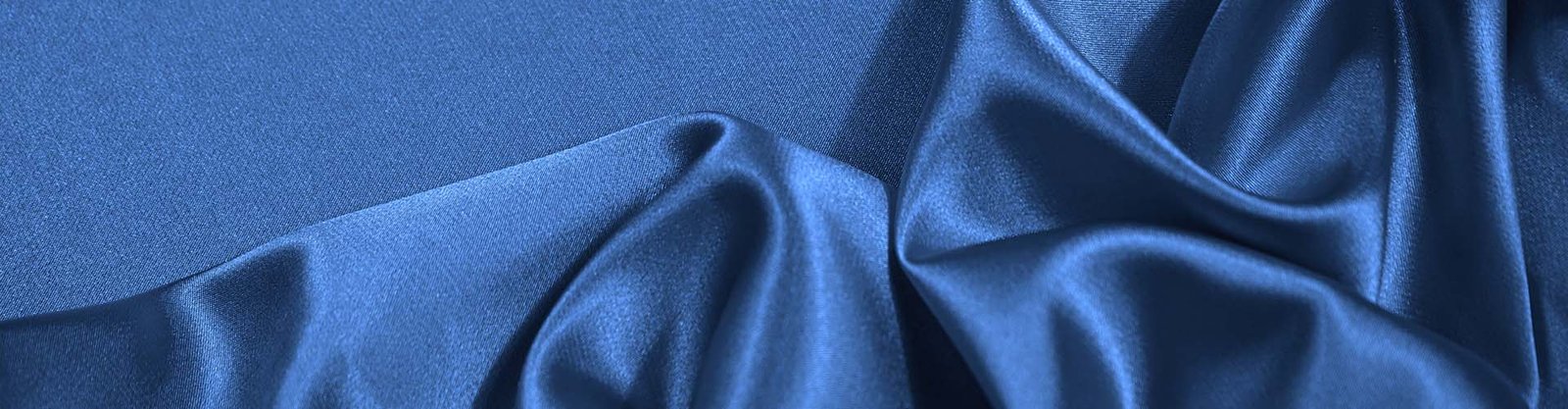
What Is Silk Satin Fabric?
Silk satin combines a silk fibre with a satin weave. That distinction matters when you compare suppliers, because “satin” can describe a weave made from different fibres, while silk identifies the material itself.
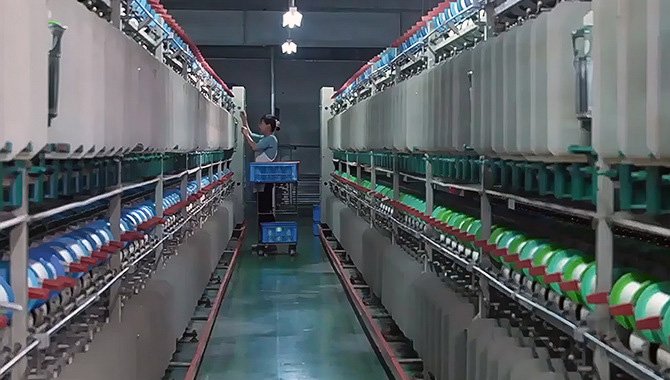
The details buyers should confirm
- Fibre content and the documentation supplied for the selected fabric
- Which side is intended as the face and how the reverse will be handled
- Surface lustre, drape, opacity, weight and hand feel on the actual sample
- Whether the fabric is intended for a sewn product, a fabric collection or a printed program
Silk satin is often chosen for its smooth surface and fluid fall, but the best direction depends on the product construction, customer use, visual identity, care requirements and target cost position.
Factory Supply Details for Silk Satin Fabric
Carina Silk supports silk satin fabric sourcing with a factory-backed range for brands, wholesalers and finished-product programs. Exact availability and commercial conditions are confirmed against the selected fabric and order brief.
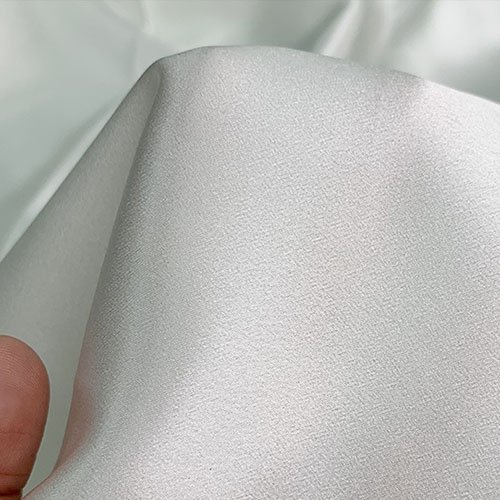
6A Grade Mulberry Silk
The factory range includes 100% 6A grade mulberry silk options for buyers who need a clearly defined natural-silk base for their collection.
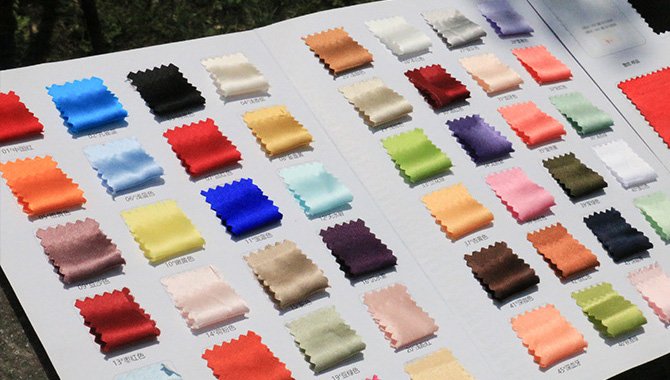
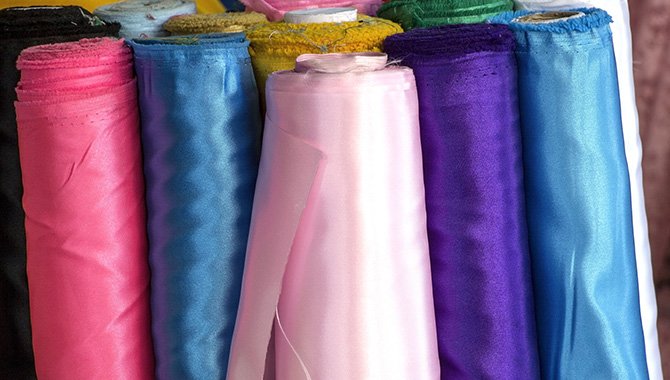
96-Colour Dyed Range
The plain-dyed program includes a 96-colour range, with the final shade reviewed against the selected fabric, reference standard and production brief.
Low MOQ Options
Low MOQ routes are available for suitable programs. MOQ depends on the fabric weight, colour, printing method and order configuration, so it is confirmed with the quotation.
OEKO-TEX STANDARD 100
The silk satin program is supported by OEKO-TEX STANDARD 100 certification. Ask for the current certificate scope when compliance documentation is required for your project.
5,000+ Brands and Enterprises
The factory has established relationships with more than 5,000 brands and enterprises across silk product and fabric programs.
These supply details support the first sourcing conversation; the final fabric, shade, quantity, certification documents and delivery conditions should always be confirmed for the exact order.
Silk Satin Fabric Options for Product Development
Start with the surface and colour direction that fits the collection. The final fabric route should be confirmed with a sample because colour, sheen, print scale and weight can change how the finished item looks and handles.
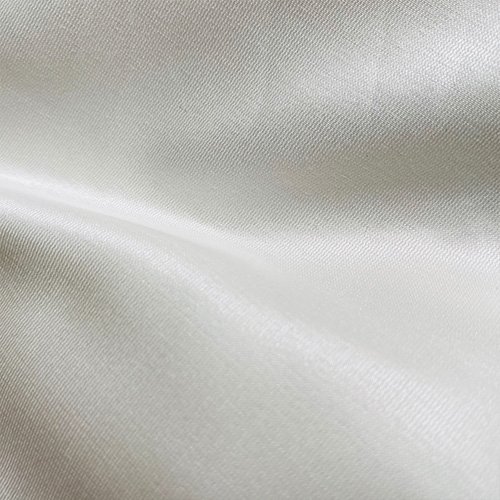
Undyed Silk Satin
An undyed or natural base gives the product team a reference for the original surface and creates a starting point for dyeing, printing or other development work.
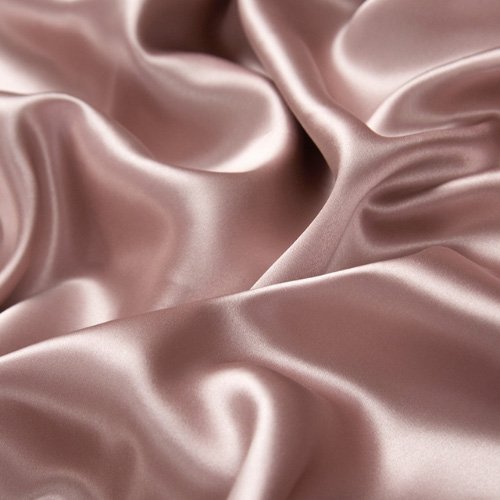
Plain-Dyed Silk Satin
A solid colour creates a controlled foundation for scarves, garments, sleepwear, accessories and home-textile programs. Share a colour reference and the intended finished use.
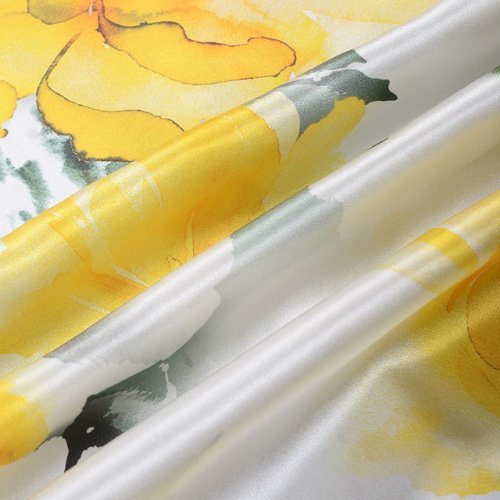
Printed Silk Satin
Custom artwork can be developed as a repeat, placement or panel direction. Confirm scale, colour balance, bleed, usable width and how the design meets seams.
| Fabric direction | Useful when | Buyer information to prepare |
|---|---|---|
| Undyed or natural base | The colour or print route is still being developed | Reference fabric, intended finish and development objective |
| Plain dyed | The collection needs a controlled solid colour program | Colour reference, shade tolerance and finished application |
| Custom printed | Artwork is central to the product or brand story | Artwork file, repeat, placement, colour reference and usable width |
Choosing Silk Satin Weight and Hand Feel
Momme is commonly used as a weight reference for silk, but a number alone does not determine whether a fabric is right. Compare the sample for drape, coverage, opacity, surface, sewing behaviour and care direction.
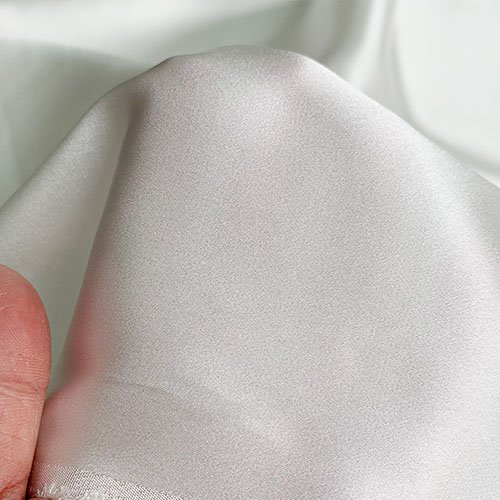
Lighter Weight Direction
Useful for fluid accessories and lighter constructions where drape and a soft surface are more important than body. Confirm opacity, seam handling and the final product structure.
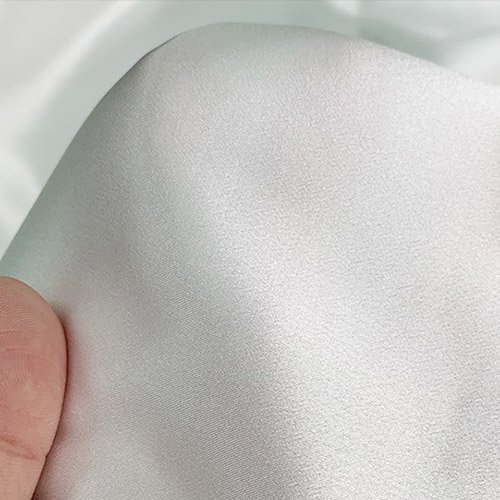
Balanced Weight Direction
A middle range can work across several product types when the buyer needs a balance of smooth hand feel, drape, coverage and everyday handling.
Richer Weight Direction
A fuller fabric direction can give the finished product more body, coverage and a substantial hand feel. Review the effect on cost, folding, seams and the final silhouette.
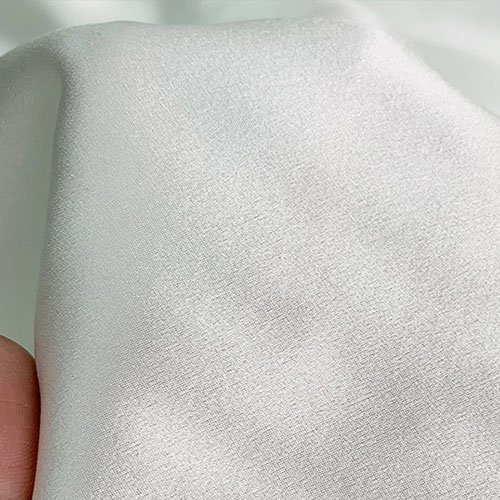
Heavier Weight Direction
A heavier construction may suit structured or premium applications where additional body is part of the design. Confirm the finished use and care requirements before selecting it.
| Decision | What changes | How to review it |
|---|---|---|
| Weight and coverage | Body, opacity, drape and handling | Compare the swatch or sample against the finished product |
| Surface and sheen | Visual depth, touch and the way light reflects | Review face and reverse sides under the intended product lighting |
| Sewing behaviour | Cutting, seams, hems, gathers and risk of snagging | Check a construction sample rather than relying only on a roll image |
| Care and use | Customer instructions and product positioning | Confirm the intended market, care wording and final application |
Colour, Printing and Surface Directions
A silk satin fabric brief should describe the visual result, not just the name of a colour or print method. Send the artwork and reference material early so the base fabric and print direction can be reviewed together.
Solid Colour Programs
Use a controlled shade for a core collection, coordinated product family or private-label range. Colour approval should be made on the selected silk surface, not on a screen image alone.
Repeat and Placement Artwork
Define whether the artwork repeats across the fabric or is positioned for a specific panel, scarf, garment or accessory. Scale and usable width affect the final result.
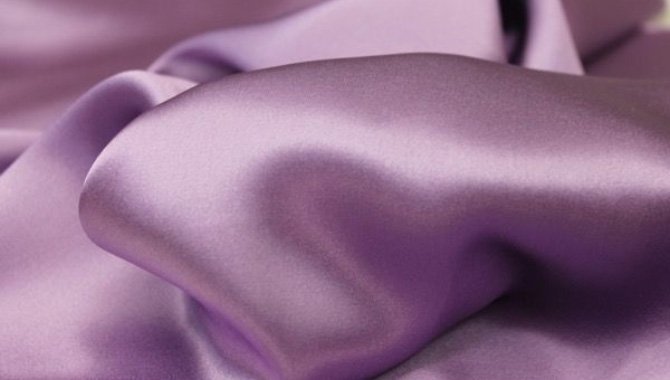
Surface and Reverse Balance
The face and reverse can have different visual and tactile qualities. Confirm which side is visible, how seams turn and whether the reverse needs to be part of the design.
For custom printing, prepare a high-resolution or vector artwork file, preferred scale, repeat or placement direction, colour references, finished application and any areas that must remain clear of seams or cutting lines.
Silk Satin Fabric Applications
The same silk satin family can serve different B2B programs when the weight, finish, colour, construction and care direction are selected for the actual end product.
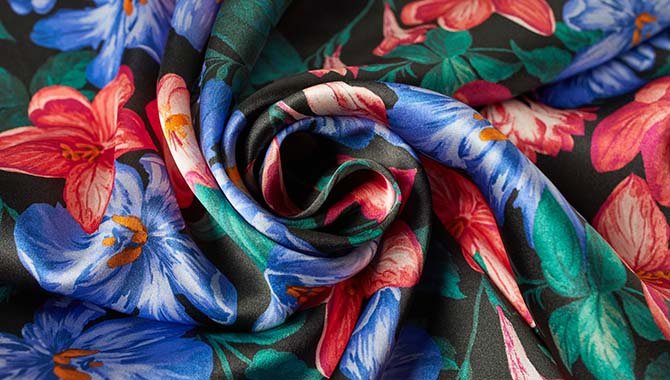
Scarves and Accessories
Use a fluid satin surface for scarves, wraps, hair accessories, eye masks, ties and other products where touch, print and drape shape the customer experience.
Sleepwear and Loungewear
Review surface comfort, coverage, movement, seams and care information around the intended garment construction and customer use.
Bedding and Home Textiles
For pillowcases, sheets or other home-textile items, compare the fabric direction with repeated handling, finished dimensions, construction and packaging.
Fashion and Occasionwear
A smooth, draping surface can support dresses, blouses, skirts, lingerie and other garments when the weight and sewing route suit the design.
Retail Fabric Collections
Distributors and fabric retailers can build a clear range around colour, weight, width, print direction and end-use guidance.
Private-Label Product Programs
Finished-product brands can develop the fabric and the sewn item together so the colour, artwork, hand feel and packing direction remain consistent.
Carina Silk also develops custom silk scarves. For the manufacturing background behind the product program, see About Carina Silk.
Width, Construction and Sewing Considerations
Fabric selection is only part of the production brief. Confirm the usable width, cutting layout, seam direction, finished dimensions and surface orientation around the product that will be made.
| Specification area | Questions to answer before sampling |
|---|---|
| Usable width | What finished width or cutting layout does the product require, and how will the selvedge be handled? |
| Face and reverse | Which side is visible, and does the reverse need a particular appearance or hand feel? |
| Print placement | Where should the repeat, border or placement artwork sit in relation to the cut panels? |
| Construction | Which seams, hems, gathers, pleats, closures or lining details affect the fabric choice? |
| Care direction | What care wording and customer use should the fabric and finished product support? |
Send a useful fabric brief
- Finished product or fabric collection reference
- Target application, market and customer use
- Preferred weight or hand-feel direction
- Colour, print artwork, repeat and placement details
- Required width, quantity, packing format and destination
If the technical route is not final, send the product reference and the decision you are trying to make. The first sample can then focus on the most important uncertainty.
Custom Silk Satin Fabric Development Workflow
A clear sequence reduces rework between fabric selection, colour approval, printing, product sampling and the final quotation.
From fabric brief to production review
| Stage | Buyer checkpoint |
|---|---|
| 1. Share the brief | Send the product or fabric reference, application, target quantity, colour, artwork and width direction. |
| 2. Review the fabric route | Compare surface, weight, drape, face and reverse, colour and construction requirements. |
| 3. Approve colour or print | Review the selected base, artwork scale, repeat or placement and any required sample or strike-off. |
| 4. Check the product sample | Confirm the fabric in the finished construction, including seams, hems, fit, care and presentation. |
| 5. Confirm the bulk brief | Use the approved fabric and product references to confirm the commercial route for the order. |
Quality Checks for Silk Satin Fabric Programs
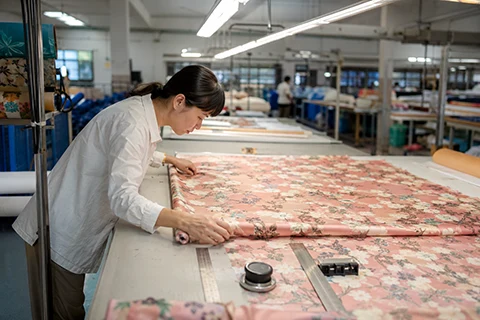
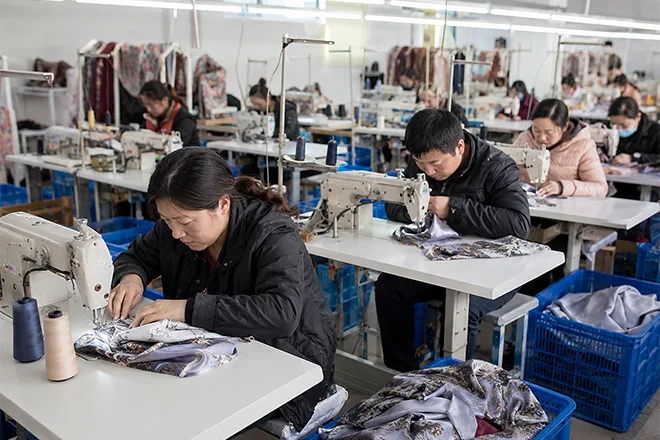
The approved fabric, colour or print reference and construction sample should be the comparison points for the finished order. Checks should cover the details most likely to affect product appearance and buyer acceptance.
Fibre and fabric identity
Confirm the stated composition, fabric direction, weight reference and the documents agreed for the order.
Surface and shade
Review visible defects, lustre, hand feel, shade consistency and the face-to-reverse balance against the approved reference.
Print and artwork
Check colour balance, registration, repeat, placement, scale, edge behaviour and the areas affected by cutting or seams.
Width and finish
Review usable width, selvedge, finish, roll or cut format and any agreed tolerance that affects the production layout.
Finished construction
Inspect the fabric in the sample product for seams, hems, drape, fit, care wording and overall presentation.
Silk Satin Fabric for B2B Programs
Organise the fabric decision around the buyer, product and route to market rather than treating every inquiry as the same material request.
Fashion and Apparel Brands
Develop a repeatable fabric direction for seasonal garments, occasionwear, lingerie, sleepwear or capsule collections.
Scarf and Accessory Labels
Coordinate colour, artwork, drape and finishing across scarves, wraps, hair accessories and gift products.
Home-Textile Programs
Review fabric weight, dimensions, construction, care and packing for pillowcases, bedding and other sewn home products.
Fabric Distributors and Wholesalers
Plan a useful range around colour, width, weight, print direction, sample information and customer applications.
Finished-Product Manufacturers
Source the material around a technical pack, construction sample, cutting layout and agreed product requirements.
Private-Label Buyers
Develop the fabric, artwork, product and packaging direction as one controlled brief for the target sales channel.
When you are ready to discuss the exact requirement, use the Carina Silk contact page or open the quote form below.