Modal Silk Fabric Manufacturer for Wholesale & Custom Orders
Carina Silk develops modal silk fabric programs for fashion brands, scarf and accessory labels, garment manufacturers, retailers and private-label buyers. Review the fabric direction, specification, colour, artwork and sampling route around the product you need to make.
- Undyed, plain-dyed and printed directions for product development
- Weight, width and hand-feel selection reviewed against the finished application
- Colour, artwork, surface and construction details clarified before sampling
- Quotation and sample review based on the actual fabric brief rather than a generic specification

What Is Modal Silk Fabric?
Modal silk fabric is a modal-based fabric direction used in the market for soft, fluid and silk-like textiles. The name does not by itself prove that natural silk is present: some suppliers use it for modal with a silk component, while others use “modal silk” for regenerated-cellulose or silk-effect constructions. Confirm the exact fibre content, yarn or fabric construction and finishing on the quotation and approved sample.
The details buyers should confirm
- The exact modal and silk fibre declaration, including whether the materials are blended at yarn level or mixed in the fabric construction
- Whether the product needs a plain, satin, twill or another construction, and how that changes drape, lustre, body and coverage
- The selected silk reference, such as 16mm, 19mm or 22mm, together with finished width, usable width and tolerance
- How the fabric behaves in dyeing, printing, cutting, seams, movement, washing, drying and storage
“Modal silk” and “silk modal” are used inconsistently across the market. Treat the written fibre composition and physical sample as the control, not the product name alone.
Factory Supply Details for Modal Silk Fabric
Carina Silk supports modal silk fabric sourcing with factory-backed development for suitable modal and silk-modal programs. Exact availability, documents and commercial conditions are confirmed against the fibre declaration, construction, weight, width, colour, print and order brief.
Silk and Modal Blend Options
For projects requiring natural silk in the specification, suitable silk/modal blend programs can be discussed. Confirm the exact silk content, modal content, construction and documentation for the requested fabric.
96-Colour Dyed Range
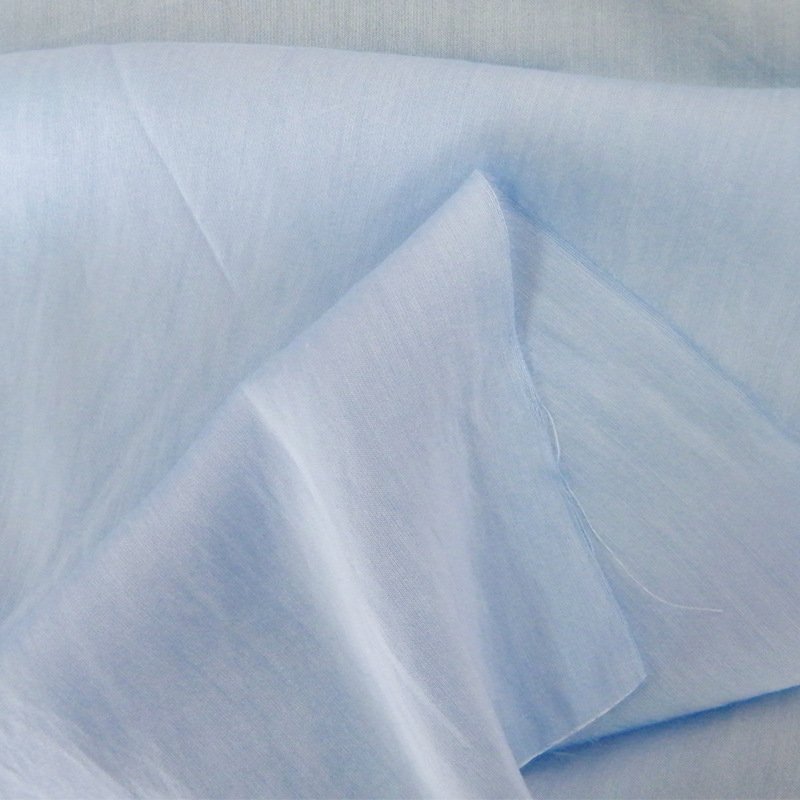
The wider plain-dyed program includes a 96-colour range. Final shade availability is reviewed against the selected modal silk construction, reference standard and production brief.
Low MOQ Options
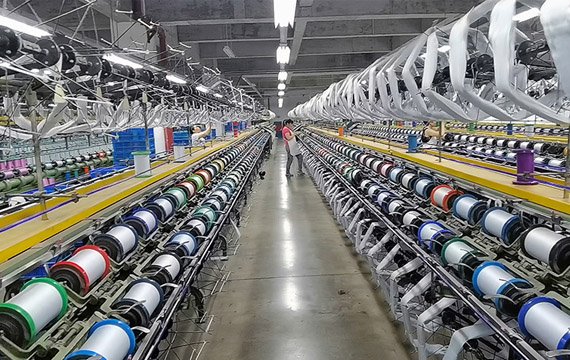
Low MOQ routes are available for suitable programs. MOQ depends on the fibre declaration, construction, weight, width, colour, printing method and order configuration, so it is confirmed in the quotation.
OEKO-TEX STANDARD 100
The program is supported by OEKO-TEX STANDARD 100 certification. Ask for the current certificate scope when compliance documentation is required for your project.
5,000+ Brands and Enterprises
The factory has established relationships with more than 5,000 brands and enterprises across silk product and fabric programs.
These supply details support the first sourcing conversation; the final fabric, shade, artwork, quantity, certification documents and delivery conditions should always be confirmed for the exact order.
Modal Silk Fabric Options for Product Development
Choose the fibre declaration, construction and decoration route around the finished product. Modal silk should be sampled in the intended weight and colour because fibre content, weave and finishing change hand feel, drape, coverage and print response.
Undyed Modal Silk Fabric
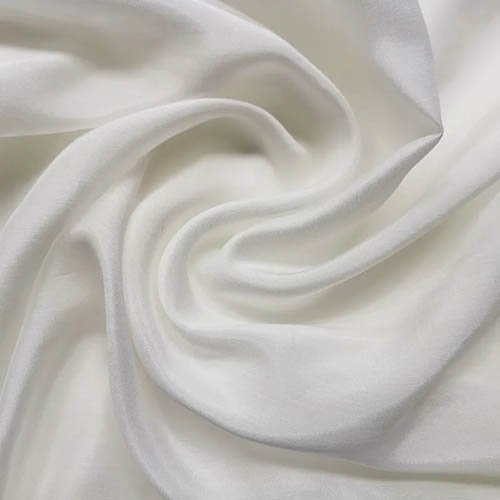
An undyed base gives the product team a reference for the original surface and a starting point for custom dyeing, printing or further development.
Plain-Dyed Modal Silk Fabric
A solid shade supports coordinated scarves, garments, sleepwear, activewear and private-label collections. Share the colour reference and intended use for sample review.
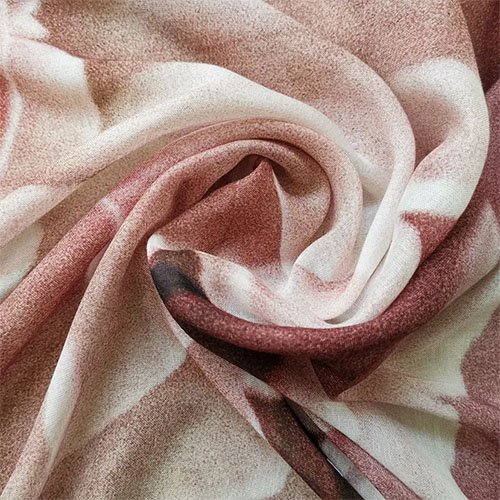
Printed Modal Silk Fabric
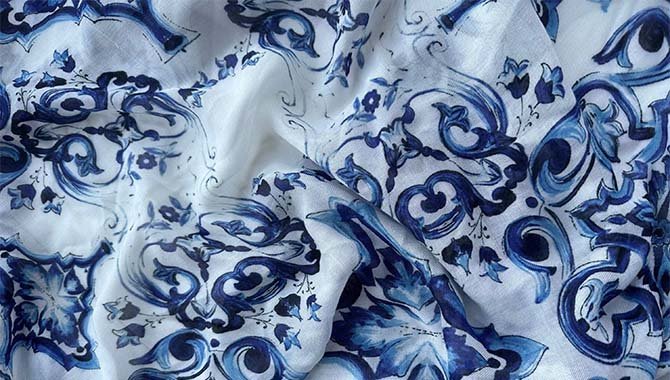
Custom artwork can be developed as a repeat, placement or panel direction. Confirm print method, scale, bleed, usable width and the expected result on the selected construction.
| Fabric direction | Useful when | Buyer information to prepare |
|---|---|---|
| Undyed or natural base | The colour or print route is still being developed | Reference fabric, intended finish and development objective |
| Solid dyed | The collection needs a controlled colour program | Colour reference, shade tolerance and finished application |
| Custom printed | Artwork is central to the product or brand story | Artwork file, repeat, placement, colour reference and usable width |
Modal Silk Fabric Weight and Width Specifications
Modal silk fabric specifications vary with the fibre declaration, construction, weight, width, finishing and intended application. Use the following source-aligned references to frame the first quotation conversation, then approve the exact technical sample.
| Reference | Width / construction | Buyer decision | Composition / note |
|---|---|---|---|
| Fibre reference | 85% modal / 15% silk, 70% modal / 30% silk and 60% modal / 40% silk references | Confirm the exact composition, notation, yarn or fabric-level blend and required documents | Do not treat one ratio as universal |
| Silk weight reference | 16mm, 19mm and 22mm silk directions on selected silk/modal programs | Choose around coverage, drape, body, sewing and finished use | Confirm how the selected program defines weight |
| Width reference | 114cm or 140cm on selected programs | Confirm finished width, usable width, tolerance and cutting yield for the exact order | Check the approved sample and quotation |
| Construction direction | Blended and mixed construction routes can be reviewed; plain, satin and twill may suit different products | Compare lustre, texture, body, drape, coverage, face/reverse and print behaviour | Confirm the exact weave and finishing |
| Colour and decoration | Undyed, plain-dyed and custom printed routes can be reviewed | Confirm shade standard, artwork, repeat, placement, bleed, registration and print coverage | Approve shade and artwork on the selected construction |
| Care and performance | Softness, absorbency, movement and care depend on fibre content and finishing | Test shrinkage, seams, washing or dry cleaning, drying, ironing and storage around the finished product | Use the tested sample and written care route |
Availability can vary by colour, print route, finishing and order configuration. Confirm the production specification, usable width, tolerance and packing format on the quotation and approved sample.
Modal Silk Fabric Features and Benefits
The value of modal silk fabric comes from balancing modal handling with the required silk content, construction and finished use. Connect each feature to the selected fibre declaration and sample rather than treating the product name as a performance guarantee.

Soft, Smooth Hand
Selected modal and silk-modal constructions can provide a smooth, soft surface. Review the hand feel after dyeing or finishing on the actual sample.
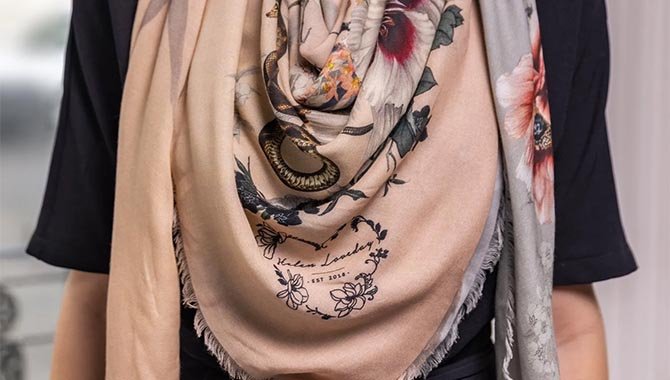
Fluid Drape and Surface Choice
Weight, weave and finishing change the balance of drape, lustre, body and coverage for the finished garment or textile product.
Modal Fibre Context
Modal is a regenerated-cellulose fibre, while any natural-silk contribution must be stated separately in the fibre declaration and supporting documents.
Colour and Print Development
Undyed, solid-dyed and custom printed routes can be developed around the selected fibre content, weave and usable width.
Commercial Specification Control
A defined fibre ratio can help the product team compare hand feel, target cost and use requirements, but the finished decision still depends on the approved construction.
- Confirm the ratio, weight, width, shade and care route before bulk production.
Modal Silk Fabric Applications
Modal silk fabric can support fashion, accessory, activewear, sleepwear and selected home-textile programs where the fibre declaration, soft handling and flowing appearance fit the product brief. The right construction depends on ratio, weight, weave, coverage, care and target price.
Scarves, Shawls and Sarongs
Use weight, fold behaviour, surface, border placement and edge finish to evaluate scarves, shawls, sarongs and other flowing accessories.
Dresses, Sarees and Fashion Garments
Compare hand feel, drape, opacity, body, seams and care for dresses, sarees, skirts and private-label fashion collections.
Activewear and Close-Fitting Layers
Review movement, recovery where relevant, moisture handling, coverage, seam behaviour and care for activewear, underwear and base layers.
Sleepwear and Robes
Check surface comfort, movement, coverage, shade, finishing and care for pajamas, robes, nightwear and relaxed garments.
Bedding and Soft Home Textiles
Selected constructions can be reviewed for bed sheets, pillow products, cushions and decorative panels when weight, care and durability suit the use.
Printed Private-Label Collections
Fibre content, construction and print method can be developed around a coordinated collection, repeat artwork or placement design.
Carina Silk also develops custom silk scarves. Review the related silk satin fabric and silk twill fabric programs, or see About Carina Silk for manufacturing context.
Modal Silk Fabric vs Silk Modal, Pure Silk and Other Fabrics
Use the comparison to frame a sample request, not to choose by fibre name alone. Market naming, fibre ratio, weave, weight, finishing, dyeing and printing can change the final result.
| Fabric direction | Surface / structure | Often considered for | Key review point |
|---|---|---|---|
| Modal silk | A market term that may describe modal-led, silk/modal or regenerated-cellulose silk-effect fabric | Scarves, garments, sleepwear, activewear and selected home textiles | Confirm the fibre declaration, construction, weight, width and care route |
| Silk modal | Natural silk and modal combined in a stated ratio and selected construction | Scarves, dresses, sleepwear, accessories and printed collections | Confirm natural-silk content and whether the blend is yarn-level or fabric-level |
| Pure silk | Silk as the principal or only fibre in the selected construction | Premium scarves, garments, sleepwear, accessories and home textiles | Compare lustre, drape, care, durability requirements and target cost |
| Modal or viscose | Regenerated-cellulose fabric without a required natural-silk component | Soft garments, underwear, activewear, sleepwear and home textiles | Compare fibre declaration, hand feel, drape, care and the need for silk content |
| Silk satin or twill | A weave direction that can be made with different fibre compositions | Scarves, garments, accessories and selected home textiles | Confirm whether the requirement is the fibre blend, the weave or both |
These are directional comparisons. Fibre content, weight, finish, dyeing, printing and construction can change the final result, so the approved swatch or sample remains the decision point.
Custom Modal Silk Blend, Colour and Print Development
A useful modal silk fabric brief connects the fibre declaration, construction and artwork to the finished product. Send the item reference, preferred ratio, weight, width, colour or artwork and care expectations together so the fabric route can be evaluated as one decision.
Define Fibre Content and Construction
State whether natural silk is required, the preferred modal/silk ratio, weave direction, weight, width, hand feel, coverage and intended product.
Build a Solid Colour Program
Approve the shade on the selected construction because fibre content, weave and finishing can change colour depth, lustre and face/reverse appearance.
Develop Repeat or Placement Artwork
Share artwork scale, repeat, placement, bleed, colour reference, print method and usable width, then review registration and coverage on the actual surface.
Modal Silk Fabric Sampling and Production Workflow
A staged review keeps fibre content, construction, shade, artwork and care connected to the finished product before bulk production.
01. Define the Finished Product
Share the item, pattern or reference, target market, hand-feel direction, coverage, weight, width, quantity and destination.
02. Confirm Fibre Content and Construction
Review the modal/silk ratio, blend or mixed construction, weave, finishing, colour or print route and documentation needed.
03. Approve the Technical Sample
Check composition, hand feel, drape, opacity, shade, print, face/reverse, seams, folds, movement and care on the intended construction.
04. Confirm Bulk Details
Lock the approved composition, weave, weight, usable width, tolerance, artwork, colour, quantity, packing and inspection points before production.
05. Inspect and Pack
Review the agreed fabric and finished-product checks, then confirm roll condition, protective packing and shipment details before dispatch.
For the fastest first review, send the product reference, preferred specification, colour or artwork, estimated quantity and delivery destination in one message. You can also use the Carina Silk contact page.
Quality, Certification and Modal Silk Fabric Checks
Quality expectations should be written against the exact modal silk program. Fibre content, weight, width, surface, shade, print, care and the behaviour of the selected construction should be reviewed against the approved sample.
Composition and Construction
Confirm modal content, silk content where required, yarn or fabric-level blend, weave, weight, width, usable width, finishing and packing format.
Weight and Dimensions
Check momme or GSM, thickness, width, tolerance, shrinkage reference, selvedge and cutting yield against the approved specification.
Surface and Hand Feel
Review softness, smoothness, lustre, texture, drape, body, coverage, face/reverse and visible defects under the intended lighting.
Colour and Print
Review the approved shade, artwork, repeat, placement, scale, bleed, registration, coverage and colour consistency.
Movement, Seams and Care
Where relevant, test extension, recovery, cutting, seams, folds, washing or dry cleaning, drying, ironing, storage and finished dimensions around the intended product.
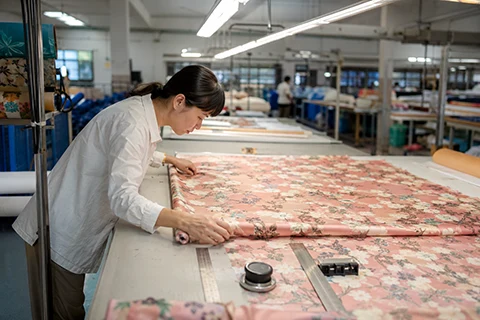
Documentation and Inspection
Request the current OEKO-TEX STANDARD 100 certificate scope and agreed inspection records or project documents required by the buyer.