Custom Scarves for Museum

Carina Silk helps museums, galleries and cultural institutions turn approved collection or exhibition artwork into custom scarf products. Develop the fabric, finished format, print layout, edge finish, labels and packaging around the way the piece will be sold, gifted or presented.

  • MOQ from 20 pieces per SKU for suitable projects
  • Sampling in approximately 3 days for suitable briefs
  • Silk, silk blends and alternative fabric directions
  • Artwork, sizes, printing, hems, labels and packaging support
  • OEKO-TEX® certified fabric options available for suitable programs
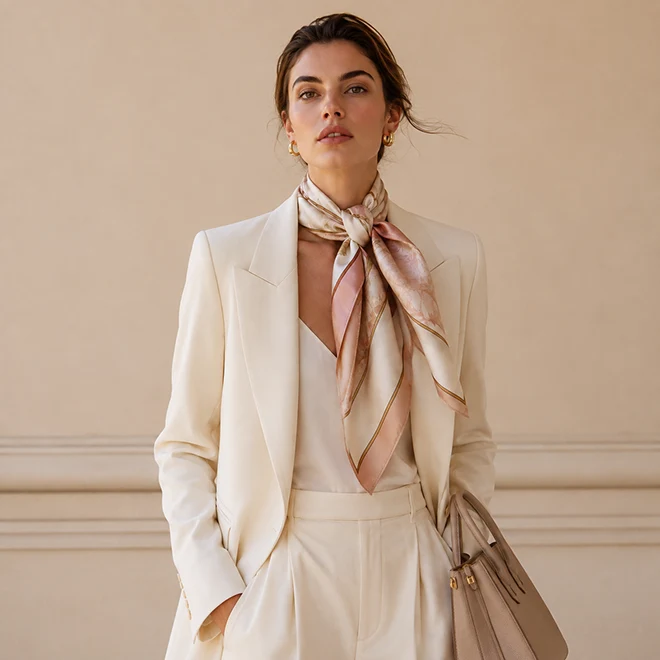
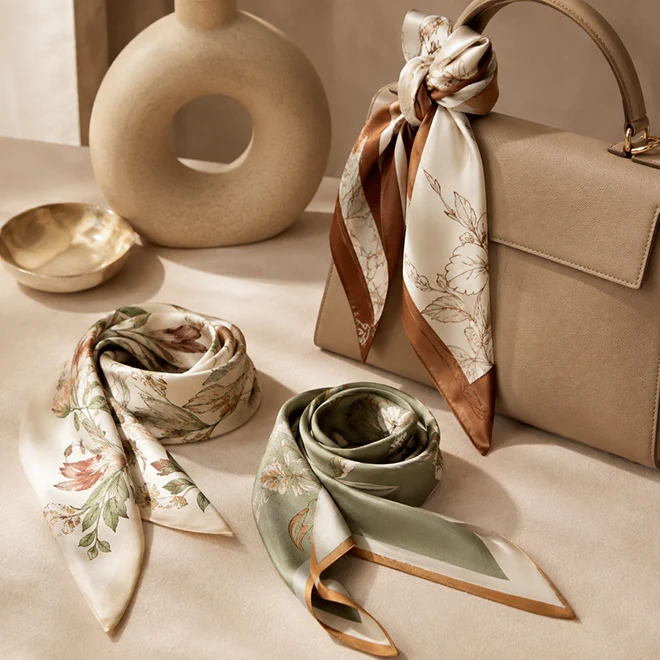
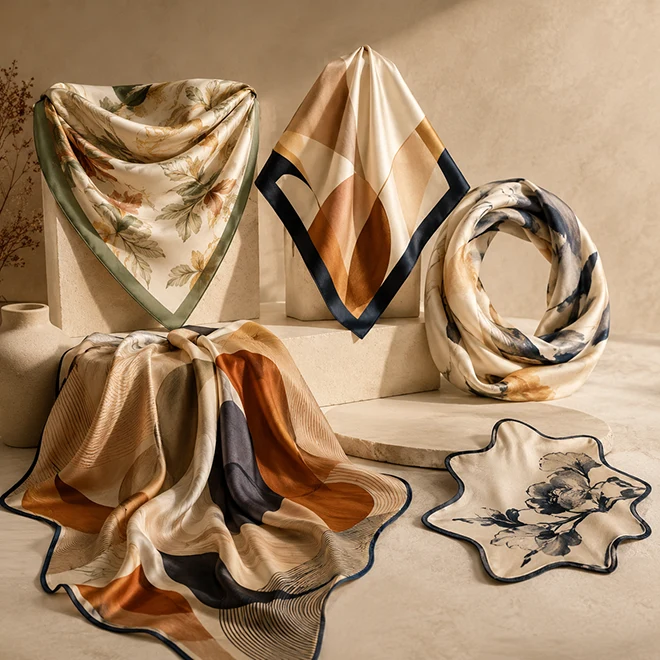
Custom printed silk scarf developed around museum artwork

From Collection Artwork to a Wearable Product

A scarf can carry a painting, textile, map, manuscript detail, architectural motif or exhibition identity beyond the gallery. The best production route starts by reviewing the visual source and the commercial use together.

Bring the approved artwork or reference, intended sales or gifting channel, preferred fabric, finished format, quantity per design, target budget and timing. We can then clarify the choices that affect sampling: repeat scale, borders, colour references, print-through, edge treatment, labels and packaging.

For the broader product range, explore our custom silk scarves, compare silk twill and silk satin, or compare the process with fashion-brand scarf collections and designer scarf projects.

What to Include in the Brief

  • Approved artwork or collection reference
  • Exhibition, gift-shop or gifting context
  • Finished size, shape and intended styling
  • Fabric, print and colour direction
  • Quantity per design and packaging needs

Fabric Options for Museum Scarves

Fabric affects the hand feel, sheen, drape, print appearance and price position of the finished museum product. Compare the swatch with the artwork and the intended retail or gifting use.
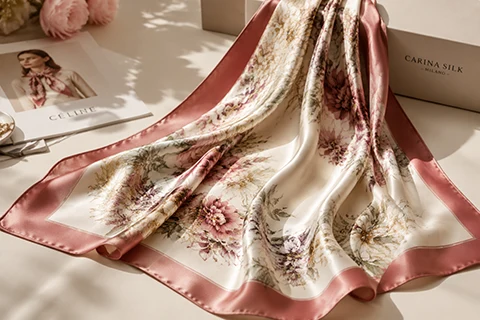
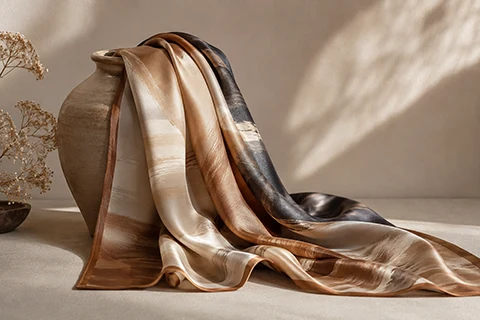
100% mulberry silk scarves for museum gift-shop collections

100% Silk Scarves

Silk twill, silk satin, chiffon, crepe de chine, georgette and other constructions can be considered when a refined surface, fluid drape or premium gift-shop position matters. Confirm the actual weight, weave and print result on a sample.

Silk blend scarves for museum merchandise programs

Silk Blend Scarves

Silk blends can balance a soft, refined surface with a different warmth, texture, durability or cost position. The exact fibre blend, weave and finish should be confirmed against the artwork and target channel.

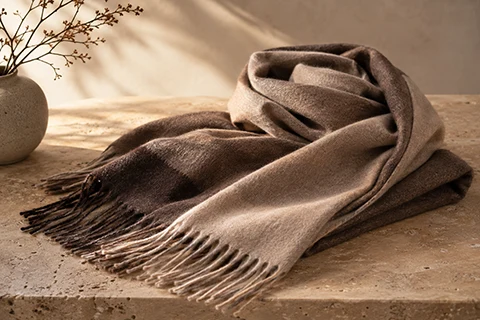
Wool and cashmere scarf options for seasonal museum collections

Wool, Cashmere and Linen Directions

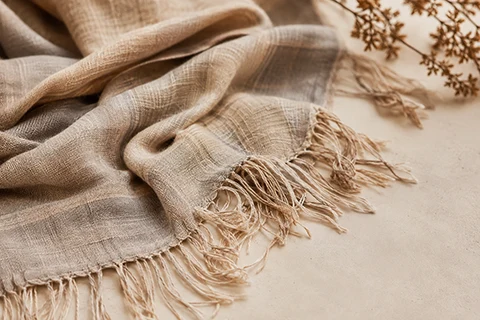
Wool, cashmere and linen directions add seasonal warmth or a more tactile character to heritage collections, winter exhibitions and cultural gifting. Review the weight, texture, artwork scale and care requirements together.

Cotton scarves for practical museum merchandise

Cotton, Modal and Polyester Options

Cotton, modal, Tencel, viscose and polyester can support accessible merchandise, event programs or larger museum-shop ranges. The final material should be selected with the print method, colour, use frequency and budget in view.

Match the Material to the Artwork and Retail Use

Different museum projects call for different balances of visual fidelity, tactile character, season, retail position and order economics.
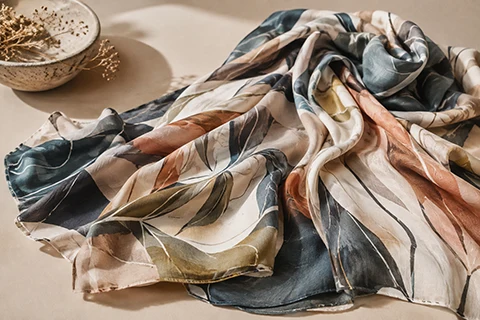
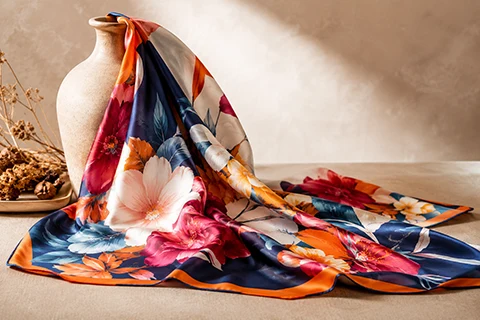
100% mulberry silk scarves for museum gift-shop collections

Refined Surface for Artwork

Silk twill and silk satin can suit detailed paintings, decorative motifs and premium gift-shop collections where surface character and presentation are important. Check the artwork scale, base colour and hand feel before approval.

Modal scarves for lightweight museum accessories

Lightweight and Fluid

Silk chiffon, crepe de chine, modal, Tencel and viscose directions can be reviewed for lighter accessories, warm-weather programs and designs that benefit from a soft drape.

Polyester scarf options for cost-conscious museum programs

Practical Merchandise

Cotton, polyester and selected blends can provide a practical route for event merchandise, accessible retail tiers or projects where the product will be handled and distributed frequently.

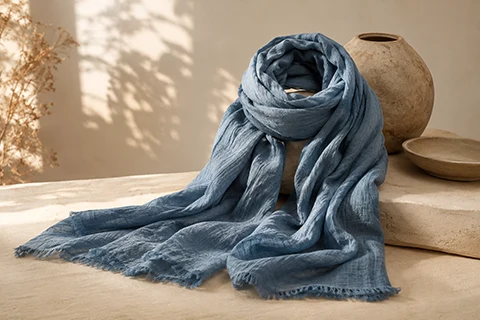
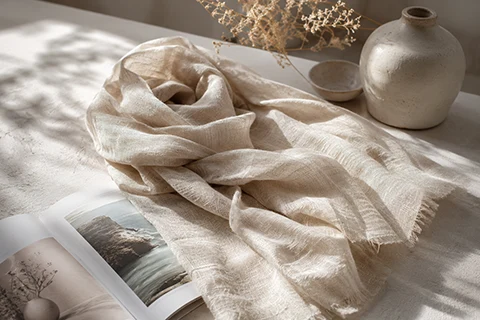
Linen and natural-fibre scarf options for cultural projects

Seasonal and Tactile Collections

Wool, cashmere, linen and silk-wool directions can add warmth or texture to winter exhibitions, heritage themes and donor-gifting programs. Confirm the finished hand feel and care wording on the selected construction.

Scarf Formats for Museum Shops and Exhibitions

The finished format determines how much artwork is visible, how a visitor can wear the piece and how the product fits the intended price and presentation.
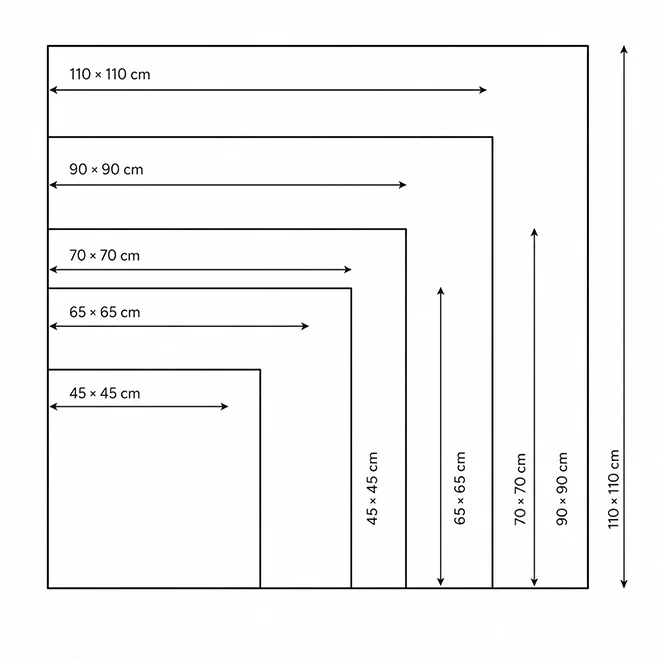
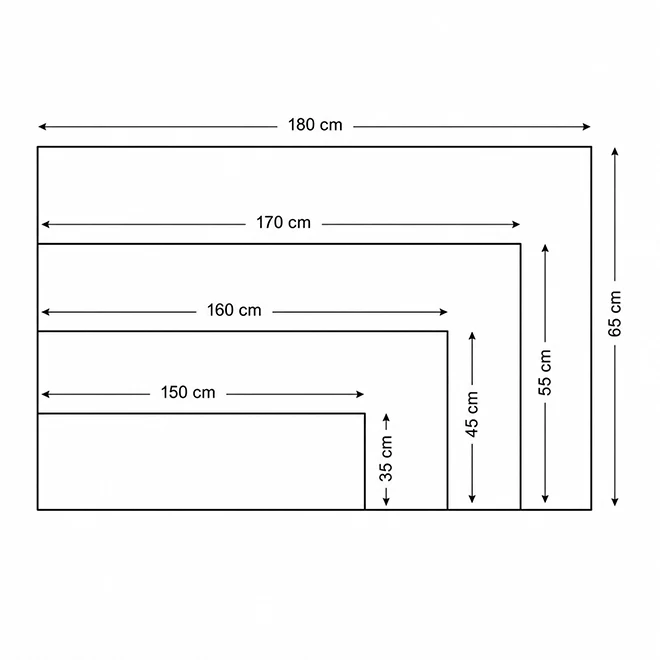
Square scarf format planned around museum artwork

Square Scarves

Square formats provide a balanced canvas for a central artwork, border, corner details or all-over repeat. They are a flexible starting point for collection-led gift-shop products and premium editions.

Long scarf format for paintings, maps and exhibition artwork

Oblong and Long Scarves

Oblong and long formats can suit landscape artwork, maps, architectural motifs, exhibition banners or extended repeats. Set the finished length and width before the print layout is finalised.

Skinny scarves and twillies for museum gift-shop accessories

Twillies and Pocket Squares

Twillies, skinny scarves and pocket squares support smaller gift items, accessory collections and lower-material formats. Fine motifs and edge details should be checked at the finished scale.

Custom scarf shapes for distinctive museum merchandise

Triangle and Custom Shapes

A custom outline can create a distinctive merchandise format or support a specific wearing method. Send a drawing, dimensioned reference or sample shape for review before cutting.

Printing Techniques for Museum Artwork

Printing should be selected with the artwork, fabric, colour direction, repeat scale and order quantity in view. A sample gives the team a practical checkpoint for colour, detail and print-through.
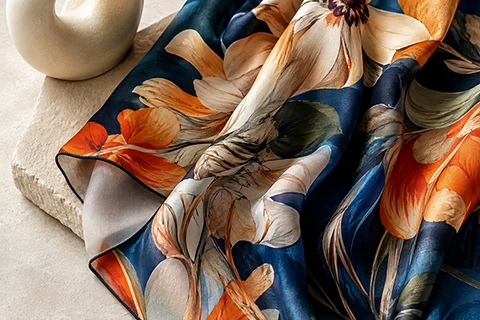
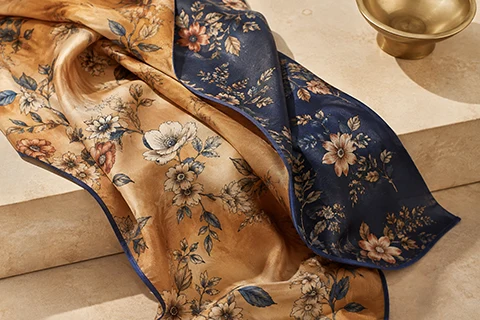
Digital printing for detailed museum scarf artwork

Single-Sided Digital Printing

Digital printing is a flexible route for paintings, illustrations, gradients, maps, fine lines and complex repeats. On some fabrics, the reverse side shows a different colour depth, which should be considered in the product design.

Double-sided digital printing for premium museum scarves

Double-Sided Digital Printing

Double-sided printing can support a reversible scarf or a more fully finished presentation. Fabric weight, artwork registration, colour direction and additional cost should be confirmed in the quotation.

Screen printing for bold museum scarf artwork

Screen Printing

Screen printing can suit bold, separated colours and designs with a more limited palette. The artwork, setup, fabric and quantity should be reviewed together before choosing this route.

Sublimation printing on polyester museum scarves

Sublimation Printing

Sublimation is used with suitable polyester fabrics and can produce vivid colour across the printable surface. It is a separate fibre and print route from natural silk, so approve a material sample before selection.

Hemming and Edge Finishes for Museum Scarves

The edge influences the perceived finish, handling, durability and packing method of the scarf. Match it to the fabric, artwork style, retail position and expected use.
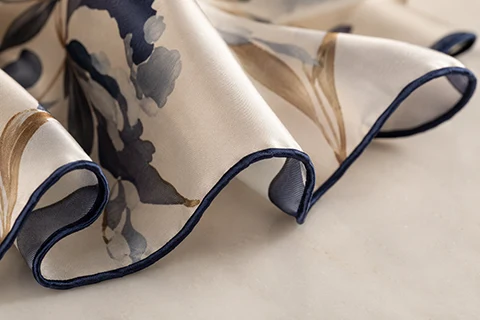
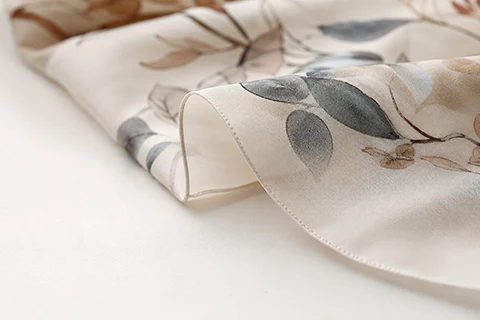
Hand-rolled hem detail on a museum silk scarf

Hand-Rolled Hem

A hand-rolled hem creates an artisanal finish for selected silk and silk-blend scarves. It is more labour-intensive than a machine hem and should be included in the sample and quotation discussion.

Machine baby hem detail on a lightweight museum scarf

Machine Baby Hem

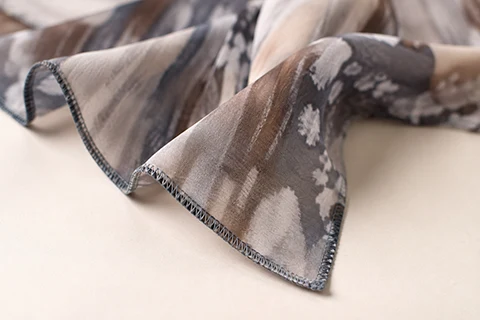
A machine baby hem gives a clean, fine edge for many lightweight scarf constructions. It offers a practical balance of appearance, consistency and production efficiency.

Machine triangle hem detail on a custom museum scarf

Machine Triangle Hem

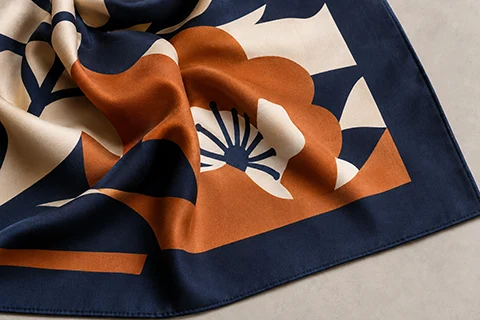
A machine triangle hem creates a visible geometric detail that can suit a graphic or contemporary exhibition collection. Confirm the edge appearance with the selected fabric and artwork.

Fringe edge detail for a museum scarf collection

Fringe, Tassel and Decorative Edges

Fringe, tassel and other decorative treatments can add movement and texture. They may also affect care, snagging, packing and cost, so the finish should be checked on the intended product.

Retail-Ready Packaging for Museum Gift Shops

Packaging helps a museum product move from production to display, gifting and retail. Labels, story information and presentation can be coordinated with the collection or exhibition identity.
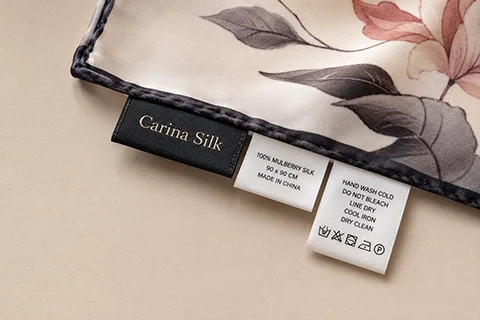
Woven brand and care labels for museum scarves

Labels and Care Information

Woven or printed labels, composition details, care information and origin details can be planned around the scarf and the required retail presentation.

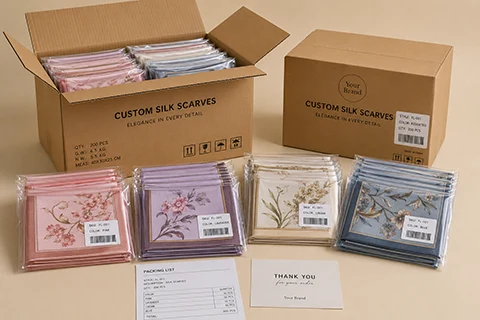
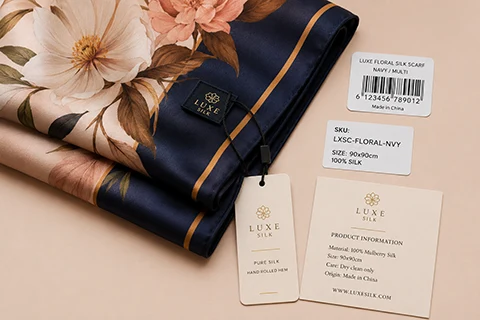
Hangtags and barcode labels for museum scarf products

Hangtags and Barcode Details

Hangtags, barcode labels, thank-you cards and collection inserts can provide the information a museum shop needs to identify, price and explain the product.

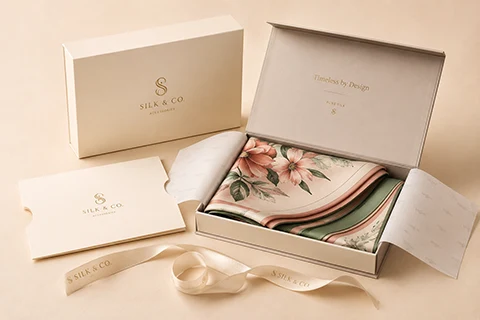
Gift boxes and paper packaging for museum scarf collections

Boxes, Sleeves and Retail Packs

Folding cartons, paper sleeves, envelopes, gift boxes, belly bands and other packing formats can be considered around the finished size, channel and presentation level.

Retail and wholesale packaging for museum scarves

Story Cards and Collection Notes

A story card can connect the scarf to an exhibition, artist, collection or cultural motif. Send approved copy, logo files and any required wording with the packaging brief.

Custom Museum Scarf Design Directions

The strongest concepts begin with a clear visual source and a practical plan for how visitors, members or gift recipients will encounter the finished piece.

Digital printing for detailed museum scarf artwork

Paintings and Illustrations

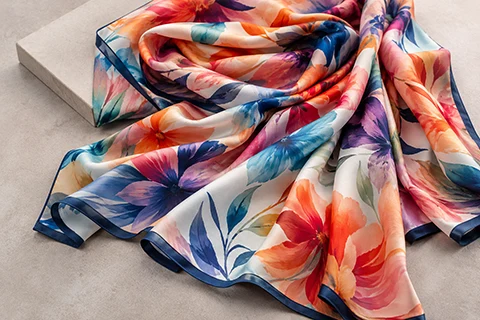
Use an approved painting, illustration or detail as a centre composition, border, repeat or abstracted colour direction. The final layout should respect the artwork proportions and the selected scarf format.

100% mulberry silk scarves for museum gift-shop collections

Textiles and Decorative Motifs

Historic textiles, ornament, ceramics, botanical motifs and pattern fragments can become a repeat or border when the source artwork and usage rights are confirmed.

Long scarf format for paintings, maps and exhibition artwork

Maps, Manuscripts and Architecture

Maps, plans, manuscripts and architectural details can create a narrative product for heritage collections, city exhibitions, university museums and place-led gift programs.

Custom scarf shapes for distinctive museum merchandise

Exhibition and Event Identities

An exhibition colour system, title treatment or approved graphic identity can be adapted into a limited scarf edition for a launch, seasonal program or touring presentation.

Silk blend scarves for museum merchandise programs

Archive-Led Pattern Collections

A museum can build a repeatable product family from several approved motifs, with different formats or price positions sharing one visual system.

Hangtags and barcode labels for museum scarf products

Artist and Curator Collaborations

Collaborative projects can bring an artist, curator or designer into the product discussion while the museum confirms the artwork, credits, packaging copy and commercial scope.

Why Museums Develop Custom Scarves

A scarf can connect cultural interpretation with a product that visitors can wear, keep, gift and return to through repeat collections.

A Wearable Art Product

A scarf gives approved artwork a portable surface that can be worn beyond the gallery, while the final format and fabric keep the artwork central to the product.

  • Collection-led merchandise
  • Visual storytelling beyond the gallery
  • Multiple styling possibilities

A Gift-Shop Collection

Square scarves, twillies, pocket squares and larger formats can create a considered range with different levels of presentation and price position.

  • Permanent collections
  • Seasonal retail edits
  • Coordinated product families

A Limited Exhibition Edition

An exhibition or artist collaboration can be translated into a focused scarf edition, with the quantity, artwork, packaging and release plan agreed by the project team.

  • Temporary exhibitions
  • Artist collaborations
  • Event-led merchandise

Member and Donor Gifting

A premium fabric, considered finish and story-led presentation can support member, patron, donor, VIP or cultural-exchange gifting programs.

  • Member benefits
  • Donor and patron gifts
  • Special guest presentation

A Cultural Story Carrier

Approved collection notes, artist credits, care instructions and QR-linked information can help the physical product carry context beyond the scarf itself.

  • Story cards and inserts
  • Artist and collection credits
  • Retail education

A Repeatable Product Platform

Once the artwork, material and presentation are approved, future editions can begin from a clearer specification, subject to reconfirmation for each order.

  • Seasonal updates
  • Repeat collections
  • Consistent product standards

Museum Scarf Applications

Use the same production foundation for different cultural, retail and gifting contexts, while adapting the artwork, quantity, format and presentation to the project.

Permanent Collection Merchandise

Create a long-term gift-shop product around an iconic artwork, collection motif, architecture or institutional story.

Temporary Exhibitions

Develop an exhibition-led scarf for a launch, retrospective, touring show, seasonal program or limited retail release.

Gallery and Artist Shops

Support galleries, artists and independent cultural retailers with small-batch scarves that are connected to an approved visual direction.

Member and Donor Programs

Plan an elevated scarf as a member, patron, donor, anniversary or special-guest gift with coordinated story and packaging details.

University and Campus Museums

Translate archives, campus buildings, academic collections or institutional colours into a wearable accessory or keepsake.

Heritage and Cultural Institutions

Use regional symbols, historical patterns, maps, textiles or other approved cultural references to develop a meaningful product range.

Why Work with Carina Silk on a Museum Scarf Project?

Carina Silk supports the decisions between an approved cultural idea and a production-ready scarf brief. The exact route is confirmed against the artwork, fabric, format, quantity and presentation requirements.

Artwork-to-Sample Discussion

We can review the artwork, repeat, border, colour direction, finished size and fabric together so the first sample answers the most important product questions.

  • File and layout review
  • Print feasibility discussion
  • Sample feedback loop

Material and Format Comparison

Compare silk, blends and alternative fabrics alongside the artwork, use context, finished format and target price position.

  • Fabric and hand feel
  • Format and artwork scale
  • Print route and finish

Small-Batch Project Development

An MOQ starting from 20 pieces per SKU gives suitable museum projects room to test an exhibition edition, launch a gift-shop SKU or develop a focused collection.

  • Quantity by design
  • First-run planning
  • Brief-based quotation

Private-Label Retail Coordination

Labels, hangtags, barcode details, cards and packaging can be reviewed as part of the same project so the scarf and its retail presentation are easier to coordinate.

Quality and Documentation Review

For suitable programs, OEKO-TEX® certified fabric options can be considered. Confirm the relevant fabric scope and documentation for the exact order.

International Order Support

We support the inquiry, sampling, production and delivery discussion for international museum, gallery and cultural projects, with commercial conditions confirmed in the quotation.

Museum Scarf Project Checklist

Use this checklist when preparing the first inquiry. It gives the production team enough context to respond with a useful starting route.

Project detailWhat to prepareWhy it matters
Artwork and permissionsApproved artwork, collection reference, credits and usage scopeProtects the design direction and confirms what can be reproduced
Sales or gifting contextGift shop, exhibition, member, donor, event or gallery useHelps set the product format, presentation and quantity discussion
Finished formatSquare, oblong, twilly, pocket square, custom shape or reference productSets the artwork proportions, cutting direction and styling intent
Fabric and printingPreferred fibre, hand feel, surface, colour direction or sample referenceChanges drape, print response, care and price position
Quantity and timingPieces per design, total collection quantity and sample review dateAffects the practical production route and project sequence
Finishing and packagingHem, fringe, label, barcode, story card, sleeve or box requirementsPrevents late changes to the finished retail product

Not every detail needs to be final before the first conversation. If you have an early concept, reference image or incomplete artwork, send what is available and identify the decisions still open.

How to Start a Custom Museum Scarf Project

The workflow keeps artwork, product and commercial decisions visible while the practical production details are confirmed in sequence.

01. Share the Museum Brief

Send the approved artwork or concept, collection or exhibition context, intended format, preferred material, quantity, packaging direction and target timing.

02. Review the Production Route

Confirm the fabric, dimensions, artwork layout, print method, edge finish, labels and packing details that fit the project.

03. Approve the Sample Direction

Review the fabric hand feel, colour, artwork detail, scale, print-through, edge and presentation. Request adjustments while the project is still at sample stage.

04. Confirm Retail or Gifting Production

Once the sample and specifications are approved, confirm quantity, packing, delivery information and commercial conditions for the order.

FAQs About Custom Museum Scarves

Our current custom scarf program starts from 20 pieces per SKU for suitable projects. The final quantity depends on the selected fabric, finished format, artwork, printing method, finishing and packaging requirements, so it is confirmed against the museum project brief.

Yes. Share approved artwork, a collection image, an exhibition reference, a pattern, map, architectural detail or other visual direction. We can review the file, composition, repeat, border, scale and print feasibility before sampling. The museum or rights holder remains responsible for artwork permissions.

Silk twill, silk satin, silk chiffon, silk crepe de chine, silk georgette, silk blends, wool, cashmere, linen, cotton, modal, Tencel, viscose and polyester directions can be considered. The suitable choice depends on the artwork, hand feel, drape, season, retail position and budget.

Square, oblong, long, twilly, skinny, pocket-square and other custom formats can be reviewed. Send the intended finished dimensions or a reference product so the artwork layout, cutting direction and edge treatment can be assessed together.

Digital printing, double-sided digital printing, screen printing and sublimation printing can be considered. Digital printing is often reviewed for detailed artwork, while fabric type, colour direction and quantity help determine the most practical route.

Yes. The project can include woven or printed labels, care information, hangtags, barcode details, story cards, paper sleeves, folding cartons, gift boxes and other packaging directions. The final packing specification is confirmed with the product and channel requirements.

Sampling is available in approximately 3 days for suitable briefs. Actual timing depends on artwork readiness, fabric, format, printing method, finishing and whether a physical sample or another review route is required.

Yes. Keep the approved artwork, fabric, dimensions, print method, finishing and packaging details with the order record. Repeat production can then start from a clearer specification, subject to reconfirmation of material availability and commercial conditions.

Tell Us About Your Museum Project

Send your artwork or collection reference, intended use, preferred fabric, finished dimensions, quantity per design, edge finish, packaging direction and target timing. We will review the practical route for your custom museum scarf project.

    Create a Museum Scarf Collection Around Your Artwork

    Whether you are planning a gift-shop product, an exhibition edition, a member gift or a cultural collaboration, start with the artwork and the product decisions you already know. Carina Silk can help you shape the next sampling step around the finished scarf you want to present.