
Printed Viscose Fabric Manufacturer for Wholesale & Custom Orders
Carina Silk develops printed viscose fabric programs for fashion brands, scarf and accessory labels, garment manufacturers, retailers and private-label buyers. Review the fabric direction, specification, colour, artwork and sampling route around the product you need to make.
- Undyed, plain-dyed and printed directions for product development
- Weight, width and hand-feel selection reviewed against the finished application
- Colour, artwork, surface and construction details clarified before sampling
- Quotation and sample review based on the actual fabric brief rather than a generic specification
What Is Printed Viscose Fabric?
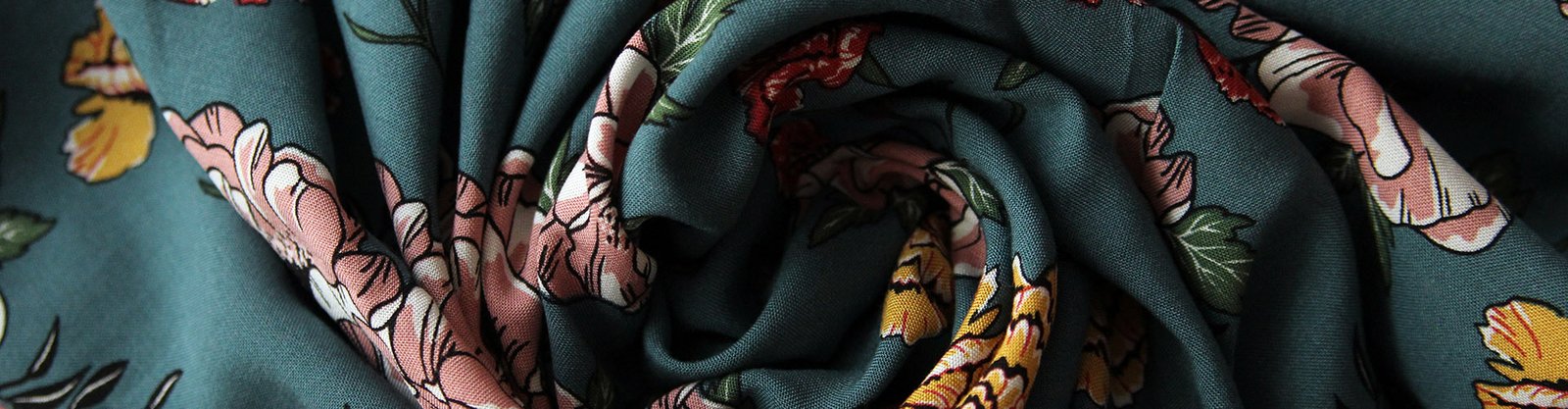
Printed viscose fabric is a viscose or rayon-based textile decorated with a repeat, border, placement, panel, logo or other artwork. Viscose identifies the regenerated-cellulose fibre direction; the selected construction, weight, width, finishing and print route determine the final hand feel, drape, colour and product behaviour.
The details buyers should confirm
- The declared fibre content and whether the order requires 100% viscose or a specified blend
- The base construction, such as satin, twill, habotai or crepe, and how it changes drape and surface
- Artwork scale, repeat, border, placement, colour reference, bleed and usable width
- The finished product, cutting layout, seams, care route and required dimensional control
- The sample or strike-off used to approve colour, print coverage, hand feel and construction
“Printed viscose” is not a complete production specification. Confirm the fibre declaration, base construction and physical printed sample before approving bulk details.
Factory Supply Details for Printed Viscose Fabric
Carina Silk supports printed viscose fabric sourcing around the declared fibre, base construction, artwork and order brief. Exact availability, composition documents, print route and commercial conditions are confirmed against the selected fabric and finished application.
Viscose Fabric Program
Suitable viscose fabric directions can be reviewed for buyers who need a soft, fluid and printable regenerated-cellulose base. Confirm the exact fibre content, construction, finishing and documentation on the quotation and approved sample.
96-Colour Dyed Range
The wider plain-dyed program includes a 96-colour range. For printed work, final shade expectations are reviewed against the selected base, artwork, print route and approved sample.
Low MOQ Options
Low MOQ routes are available for suitable programs. MOQ depends on fibre content, construction, weight, width, artwork, print route, finishing and order configuration, so it is confirmed in the quotation.
OEKO-TEX STANDARD 100
The program is supported by OEKO-TEX STANDARD 100 certification. Ask for the current certificate scope when compliance documentation is required for your project.
5,000+ Brands and Enterprises
The factory has established relationships with more than 5,000 brands and enterprises across silk product and fabric programs.
These supply details support the first sourcing conversation; the final fabric, shade, artwork, quantity, certification documents and delivery conditions should always be confirmed for the exact order.
Printed Viscose Fabric Options for Product Development
Choose the viscose base around the finished product, then define the artwork and print direction. Satin, twill, habotai and crepe can change surface, drape, coverage, cutting and print appearance, so the selected sample remains the decision point.
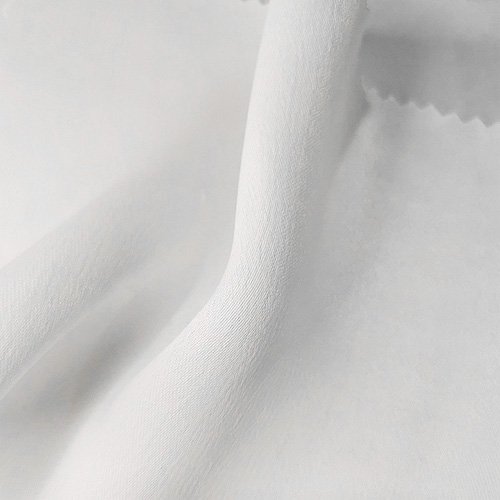
Printed Viscose Satin Fabric
A smooth, fluid satin direction can suit dresses, shirts, scarves, robes, sleepwear and selected home textiles. Confirm lustre, opacity, face/reverse, artwork scale and care on the sample.
Printed Viscose Twill Fabric
A twill direction adds a more defined diagonal surface for fashion garments, scarves, accessories and selected textile products. Review twill direction, hand feel, print scale, seams and cutting layout.
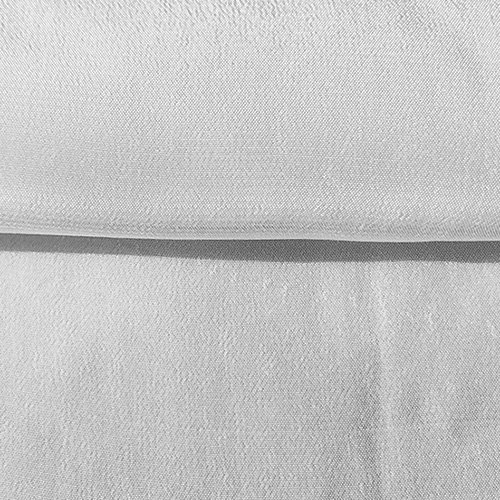
Printed Viscose Habotai or Crepe
Lightweight habotai and textured crepe directions create different balances of softness, coverage and movement. Confirm the construction, weight, width, shrinkage and print response for the intended product.
| Fabric direction | Useful when | Buyer information to prepare |
|---|---|---|
| Undyed or natural base | The colour or print route is still being developed | Reference fabric, intended finish and development objective |
| Solid dyed | The collection needs a controlled colour program | Colour reference, shade tolerance and finished application |
| Custom printed | Artwork is central to the product or brand story | Artwork file, repeat, placement, colour reference and usable width |
Printed Viscose Fabric Weight and Width Specifications
Printed viscose fabric specifications vary by fibre declaration, base construction, artwork and print route. The following decision points frame the first quotation conversation; the written specification and approved printed sample control the exact order.
| Reference | Width / construction | Buyer decision | Composition / note |
|---|---|---|---|
| Fibre identity | 100% viscose or another declared viscose/rayon direction can be reviewed | Confirm the exact fibre content, blend notation and required documents | Do not treat “viscose” as proof of one universal composition |
| Base construction | Satin, twill, habotai and crepe directions are available for discussion | Choose around hand feel, drape, body, coverage, seams and finished use | Confirm weave, finishing and tolerance on the quotation |
| Weight and width | Select weight, finished width and usable width around the product and cutting plan | Check coverage, yield, shrinkage allowance, seams and finished dimensions | Confirm the exact values and tolerance for the selected base |
| Artwork format | Repeat, border, placement, panel, logo, linework, lettering or photographic artwork | Prepare scale, orientation, bleed, safe area, colour reference and usable width | Approve a strike-off or printed sample before bulk production |
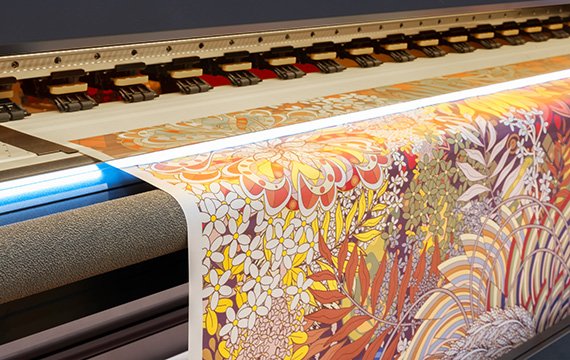
| Print route | Digital, reactive, screen or double-sided options may be compared where suitable | Match artwork detail, colour structure, quantity, setup and face/reverse needs | Confirm the feasible route for the selected viscose construction |
| Care and dimensional control | Shrinkage, wrinkles, colour appearance and care depend on fibre, construction and finishing | Test washing or dry cleaning, drying, ironing, storage and finished dimensions | Confirm product-label wording from the approved construction |
Availability can vary by colour, print route, finishing and order configuration. Confirm the production specification, usable width, tolerance and packing format on the quotation and approved sample.
Printed Viscose Fabric Features and Benefits
The value of printed viscose fabric comes from coordinating a declared cellulosic fibre, a practical base construction and the artwork. Softness, drape, colour, print coverage and care should be assessed together rather than treated as universal promises.
Soft Hand and Fluid Drape
A suitable viscose construction can provide a soft hand and flowing movement, while satin, twill, habotai, crepe, weight and finishing change the final result.
Construction Choice
Satin, twill, habotai and crepe create different balances of lustre, texture, body, opacity and cutting behaviour for the same fibre direction.
- Compare the actual sample with the pattern, lining plan and finished product.
Artwork and Colour Development
A clear artwork brief helps the buyer review scale, repeat, border, placement, colour balance, bleed, coverage and face/reverse before production.
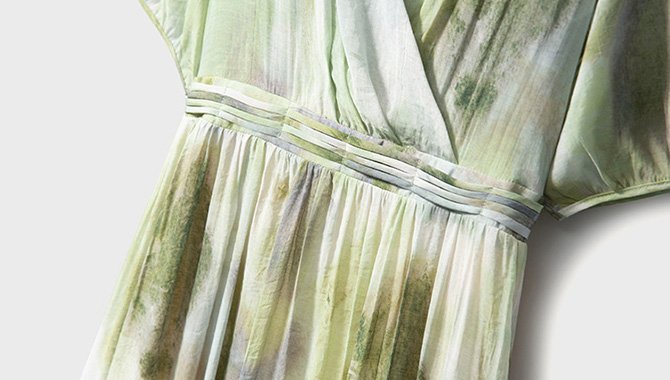
Breathability and Comfort Context
Viscose can suit lightweight apparel and textile projects that need a soft, breathable or fluid direction. Confirm comfort, lining, construction and care on the selected base.
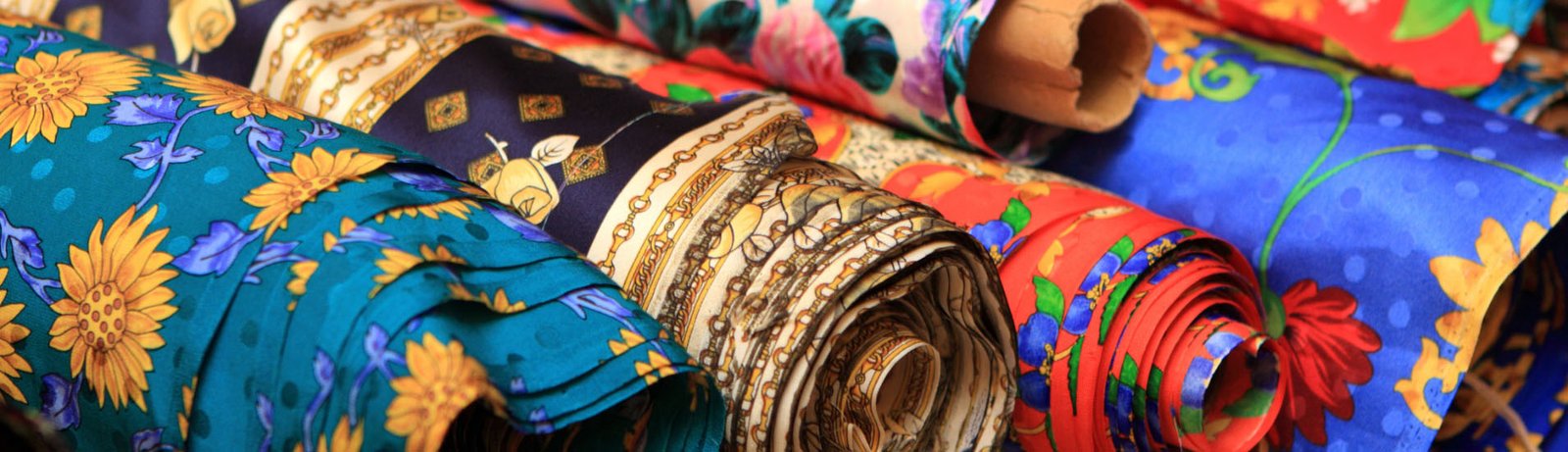
Care and Dimensional Control
Viscose-based fabrics can need application-specific checks for shrinkage, wrinkles, washing, drying, ironing, storage and finished dimensions.
Printed Viscose Fabric Applications
Printed viscose fabric can support apparel, accessories, scarves, sleepwear, bedding, décor and creative textile programs when the fibre, construction, print, care and finished use align. Select the base around the product rather than the fibre name alone.
Dresses, Shirts and Tops
Review drape, opacity, weight, print scale, seams, shrinkage and care for dresses, blouses, shirts, tops, skirts and private-label fashion collections.
Scarves, Shawls and Accessories
Consider viscose satin, twill, habotai or crepe around softness, fold behaviour, border placement, usable width, edge finishing and the intended customer use.
Robes, Pajamas and Loungewear
Check hand feel, movement, coverage, print comfort, seam handling and care for robes, pajamas, nightwear and relaxed garments.
Headbands and Fashion Details
Review scale, placement, cut size, folds, seams and edge treatment for headbands, wraps, bows and other soft accessories.
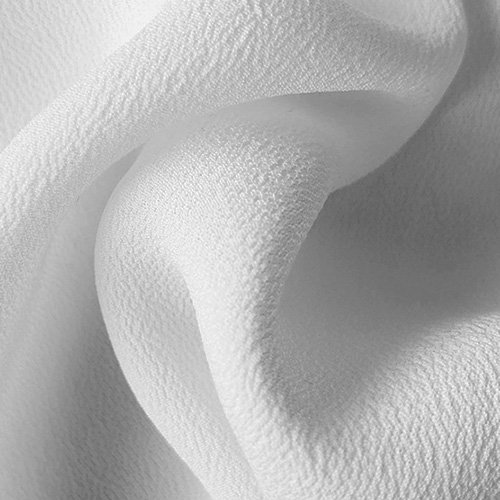
Bedding, Curtains and Interior Textiles
Confirm width, repeat, colour, drape, finished dimensions, seams and care for bedding, curtains, cushions and selected interior products.
Quilting and Private-Label Collections
Coordinate artwork, base construction, fibre declaration, repeat, usable width and care across a collection or creative textile program.
Carina Silk also develops custom silk scarves. Review the related silk satin fabric and silk twill fabric programs, or see About Carina Silk for manufacturing context.
Printed Viscose Fabric vs Other Printed Fabric Directions
Use this comparison to frame a sample request, not to choose by fibre name alone. Fibre identity, construction, weight, finishing, printing and care can change the final result within each direction.
| Fabric direction | Surface / structure | Often considered for | Key review point |
|---|---|---|---|
| Printed viscose | Regenerated-cellulose fabric with custom artwork and a selected construction | Dresses, shirts, scarves, sleepwear, accessories and home textiles | Confirm fibre content, surface, drape, shrinkage, care and print response |
| Printed silk | Natural-silk base with different surface, drape, weight and care considerations | Scarves, premium apparel, sleepwear and accessories | Decide whether natural-silk content and its cost position are required |
| Printed cotton | Cotton base with a different hand, absorbency, structure and dimensional behaviour | Apparel, bedding, towels and accessories | Compare weight, absorbency, wrinkles, shrinkage and finished use |
| Printed polyester | Synthetic base with its own hand feel, colour, care and cost profile | Cost-sensitive apparel, accessories, linings and décor | Confirm whether viscose fibre identity, drape and care are required |
| Plain-dyed viscose | The same or similar viscose direction without printed artwork | Controlled colour collections and products without a pattern | Compare solid-shade needs, colour tolerance and artwork requirements |
These are directional comparisons. Fibre content, weight, finish, dyeing, printing and construction can change the final result, so the approved swatch or sample remains the decision point.
Custom Artwork and Printed Viscose Fabric Development
A useful printed viscose fabric brief connects the fibre declaration, base construction and artwork to the finished product. Send the item reference, preferred construction, colour or artwork, weight, width and quantity together so the print route can be evaluated as one decision.
Define Fibre and Base Construction
State whether 100% viscose or a specified blend is required, then describe the preferred satin, twill, habotai or crepe direction, weight, width, hand feel and coverage.
Prepare Repeat or Placement Artwork
Share the original file, scale, repeat, orientation, border, placement, bleed, safe area, colour references, usable width and any required artwork permissions.
Review the Printed Sample
Confirm colour, detail, registration, scale, coverage, face/reverse, hand feel, drape, shrinkage, seams, cutting and care on the intended construction.
Printed Viscose Fabric Sampling and Production Workflow
A staged review keeps the fibre, base construction, artwork, print, dimensions and care requirements connected before bulk production.
01. Define the Finished Product
Share the item, pattern or reference, target market, desired hand feel, coverage, dimensions, quantity and destination.
02. Confirm Fibre and Print Brief
Review fibre content, base construction, weight, width, usable width, artwork scale, repeat, placement, bleed, colour reference, print route, finishing and documents needed.
03. Approve the Printed Sample
Check hand feel, drape, opacity, colour, print detail, scale, coverage, face/reverse, shrinkage, wrinkles, seams, cutting and care on the intended construction.
04. Confirm Bulk Details
Lock the approved fibre declaration, construction, weight, usable width, tolerance, artwork, print method, quantity, packing and inspection points before production.
05. Inspect and Pack
Review the agreed quality points and roll or finished-product packing instructions before shipment.
For the fastest first review, send the product reference, preferred specification, colour or artwork, estimated quantity and delivery destination in one message. You can also use the Carina Silk contact page.
Quality, Certification and Printed Viscose Fabric Checks
Quality expectations should be written against the exact printed viscose fabric program. Fibre identity, construction, print, dimensions, surface and care should be reviewed against the approved sample.
Fibre Identity and Composition
Confirm viscose or rayon content, blend ratio where relevant, yarn or fabric-level construction and required documentation.
Base Construction and Hand Feel
Review satin, twill, habotai or crepe identity, softness, lustre, texture, drape, body, coverage and visible defects.
Artwork and Colour
Review the approved artwork, repeat, placement, border, scale, bleed, safe area, registration, coverage and colour consistency.
Weight, Width and Shrinkage
Check weight, finished width, usable width, tolerance, shrinkage reference, selvedge and cutting yield against the approved specification.
Care and Finished Dimensions
Test washing or dry cleaning, drying, ironing, storage, seams, hems and finished dimensions around the intended product and market.
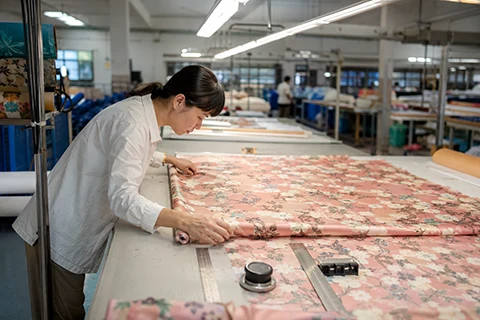
Documentation and Inspection
Request the current OEKO-TEX STANDARD 100 certificate scope and agreed inspection records or project documents required by the buyer.
