
What Is Fleece Fabric? Structure, Types, Uses and Buyer Checks

Carina Silk Editorial Team writes practical guides on silk fabrics, scarves and custom textile development, with a focus on materials, artwork, sampling, construction and finishing decisions.

Fleece usually describes a soft textile with a raised or napped surface, often made from a knitted polyester base that is brushed to create loft. Singer’s fleece description identifies this common construction, but not every fleece quality has the same fibre, pile or performance.
For buyers, separate the base fabric from the surface treatment. Fibre, knit structure, pile height, weight, finish and care determine warmth, softness, pilling, shedding, drying and durability.
What Is Fleece Fabric?
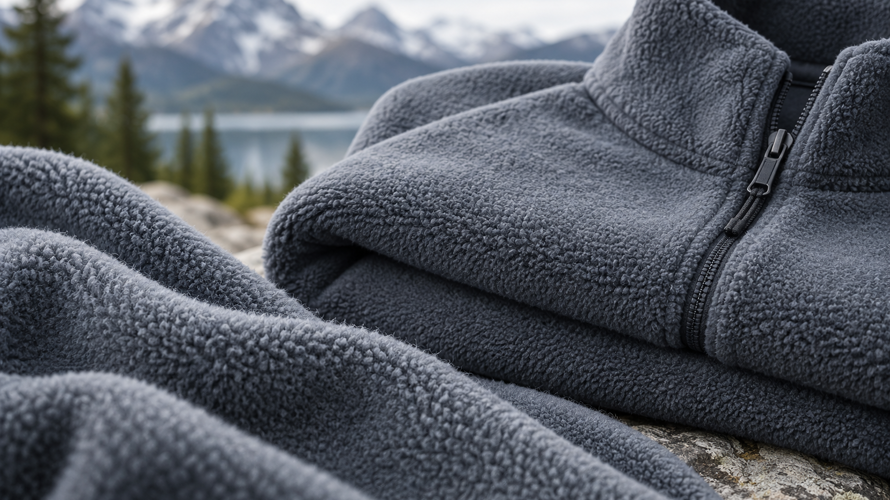
Fleece is commonly a knitted textile that has been brushed or napped to raise fibres on one or both sides. The raised surface traps air and creates a soft, warm hand.
Polyester is common because it can provide consistent yarn, easy-care performance and a controllable pile, but fleece can also be made from wool, cotton, acrylic, viscose or blends.
The word fleece should therefore be followed by the base fibre, construction, pile direction, weight and finish. “Fleece” alone does not specify warmth or quality.
How Is Fleece Made?
A base fabric is knitted or otherwise constructed, then brushed, napped, sheared or finished to raise and control the surface fibres. The number of passes and finishing settings influence pile height, softness and density.
Some fleece is brushed on one side, some on both sides, and some uses a grid or textured construction to balance warmth, weight and breathability.
Dyeing, anti-pill finishing, heat setting and washing can change the surface. Compare the actual fabric swatch after the intended care route.
What Are the Main Fleece Types?
Use base fibre, pile and construction to distinguish fleece directions.
| Type | Surface or structure | Potential fit | What to confirm |
|---|---|---|---|
| Microfleece | Fine, low pile and lightweight | Light layers and accessories | Weight, warmth and pilling |
| Polar fleece | Soft raised pile with more body | Jackets, blankets and warm products | Pile height and shedding |
| Grid fleece | Structured channels or grid pattern | Light performance layers | Airflow, snag and stability |
| Sherpa fleece | Longer plush pile | Warm fashion and lining | Pile loss and packing |
| Wool-blend fleece | Natural and manufactured fibre mix | Premium warm products | Blend, care and fibre claims |
| Recycled polyester fleece | Polyester base with recycled input claim | Sustainability-led products | Source and certification evidence |
Fleece vs Wool: What Is the Difference?
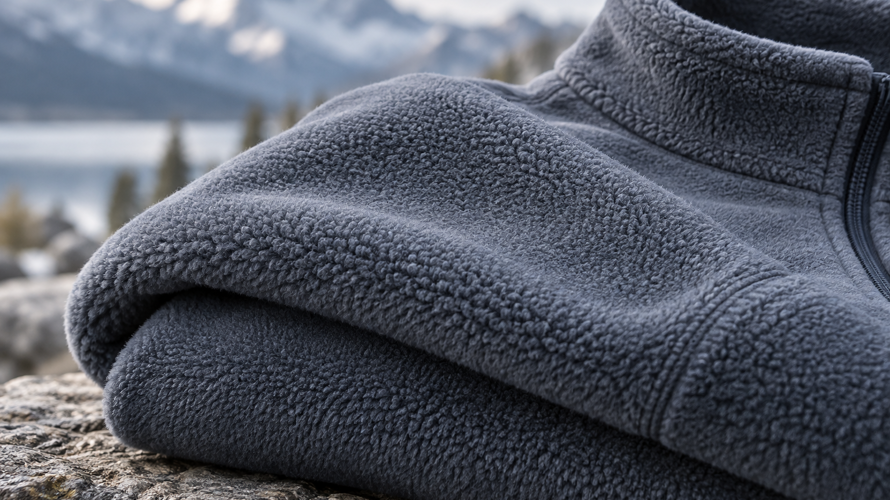
Fleece is a surface and construction direction; wool is a natural protein fibre. Polyester fleece can mimic a soft wool-like hand, while wool fabric can be woven, knitted or felted without being fleece.
Compare fleece with wool by weight, warmth, moisture, hand, pilling, care, breathability and product use.
A thick pile is not automatically warmer or better. Air volume, density, wind resistance, moisture and garment design also matter.
What Should Buyers Check in Fleece Fabric?
Fleece performance comes from the base, pile and finish together.
Base Fibre and Knit
Confirm polyester, wool, cotton, acrylic, viscose or blend content and the underlying construction.
Pile Height and Density
Measure or describe pile, brushing side, density, loft, hand and coverage.
Weight and Warmth
Use GSM with a hand and air-volume check; weight alone does not predict warmth.
Pilling and Shedding
Test abrasion, washing, surface fuzz, fibre shedding and any anti-pill finish.
Stretch and Seams
Check stretch, recovery, edge, seam bulk and dimensional stability in the finished product.
Care and Sustainability Claims
Verify washing, drying, recycled content, certification and any performance claim with evidence.
| Check | Why it matters | Possible risk | Evidence to request |
|---|---|---|---|
| Base | Defines fibre and structure | Fleece name hides composition | Composition statement |
| Pile | Controls hand and warmth | Thin or uneven surface | Pile reference |
| Weight | Controls coverage and use | Wrong warmth or yield | GSM record |
| Pilling | Controls surface life | Early pills | Abrasion and wash test |
| Stretch | Controls fit and seams | Growth or distortion | Recovery test |
| Claims | Controls trust and compliance | Unsupported recycled or anti-pill claim | Certification or test |

Where Is Fleece Used?
Fleece is used in jackets, sweatshirts, blankets, linings, hats, scarves, gloves, uniforms, children’s products and outdoor layers. The required pile and weight vary by climate and activity.
For a scarf or accessory, compare fleece with moisture-wicking fabric only after defining warmth, moisture, bulk and care.
Choose the pile, weight and fibre combination that supports the intended product instead of treating all fleece as interchangeable.

How Should Fleece Fabric Be Specified?
State base fibre and blend, knit, pile height, brushing side, weight, width, colour, stretch, pilling, shedding, finish, care and any recycled or certification claim.
Attach a finished swatch and a washed reference. For a finished accessory, inspect seams, edge, packing compression and pile recovery.
Frequently Asked Questions
What is fleece fabric?
Fleece is commonly a soft textile with a raised or napped surface, often made from a brushed knitted polyester base.
Is fleece always polyester?
No. Polyester is common, but fleece can also use wool, cotton, acrylic, viscose or blends. Check composition.
Is fleece warm?
Fleece can provide warmth by creating loft and trapping air, but warmth depends on pile, weight, density, wind resistance and product design.
What is polar fleece?
Polar fleece is a common raised-pile fleece direction with a soft hand and use in warm apparel, blankets and accessories.
Does fleece pill?
Some fleece can pill with abrasion and washing. Fibre, pile, finish and care all affect the result.
Is fleece breathable?
Breathability depends on knit structure, density, pile and product design. A heavy dense fleece may behave differently from a light grid fleece.
What should a fleece buyer request?
Request fibre, knit, pile, weight, width, pilling, shedding, stretch, care and evidence for any recycled or performance claim.
Conclusion
Fleece is best specified as a base fibre and construction plus a defined raised surface. Control pile, weight, pilling, care, stretch and claims on the finished quality before approval.
