
Viscose vs Cotton: What Is the Difference? Properties, Care and Buyer Checks

Carina Silk Editorial Team writes practical guides on silk fabrics, scarves and custom textile development, with a focus on materials, artwork, sampling, construction and finishing decisions.
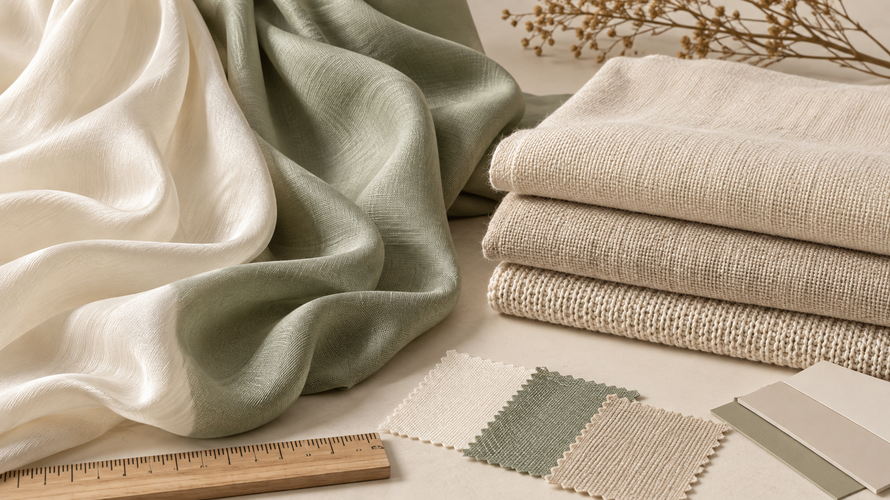
Viscose and cotton are often compared because both are cellulosic fibres and both can produce comfortable fabrics. They are not interchangeable, however. Cotton is a natural plant fibre, while viscose is a regenerated cellulosic fibre made by dissolving and reforming cellulose. The finished fabric can also differ because weave, knit, yarn, weight and finishing influence the result as much as fibre identity.
The practical question is not simply “Which is better?” Cotton may be the safer direction for repeated laundering, structure and wet handling. Viscose may be a better direction for fluid drape, a smooth hand, dye depth or a more flowing printed surface. The right decision depends on the product brief and the sample that meets it.
What Are Viscose and Cotton?
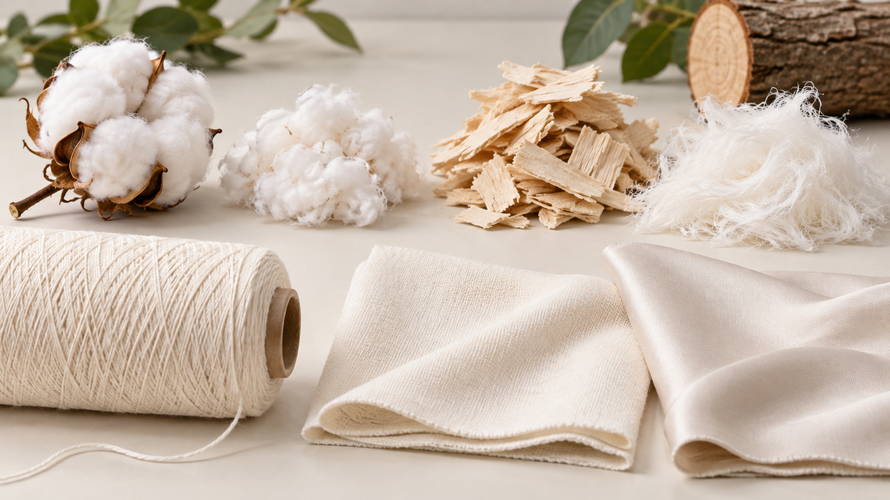
Viscose is a regenerated cellulosic fibre. Cellulose from a plant-based source is processed into a solution and regenerated into fibre. The word rayon is used for the same broad family in some markets; the Textile Exchange viscose glossary explains the relationship between the two names.
Cotton is a natural cellulosic fibre that grows as a seed hair on the cotton plant. It can be spun into yarn and made into many constructions, including voile, poplin, jersey, twill, sateen and denim. “Cotton” therefore also does not identify one fixed hand, weight or level of breathability.
This distinction matters for sourcing. A viscose challis, viscose twill and viscose jersey can behave very differently. A cotton voile, cotton poplin and cotton canvas can do the same. A fair comparison should name the fibre, construction, weight, finish and intended use together.
Viscose vs Cotton at a Glance
Neither column is a guarantee. An open cotton voile may feel airier than a dense viscose twill, while a lightweight viscose may drape more fluidly than a heavy cotton jersey. Compare finished fabrics rather than fibre labels alone.
| Decision factor | Viscose direction | Cotton direction | What to confirm |
|---|---|---|---|
| Fibre identity | Regenerated cellulose | Natural plant cellulose | Exact fibre name, blend and documentation |
| Hand and drape | Often smooth, soft and fluid | Can range from soft to crisp or structured | Construction, yarn, weight and finish |
| Moisture response | Absorbent; wet handling can be more sensitive | Absorbent and often stronger when wet | Absorbency, drying, wet strength and finish |
| Care | May need gentler washing or drying | Often familiar to launder, but shrinkage still varies | Care label, dimensional change and finished sample |
| Typical product direction | Fluid apparel, linings, scarves and printed fashion | Basics, shirts, uniforms, towels and structured goods | Actual end use and performance testing |
How Do Fibre Origin and Processing Differ?
Cotton enters the textile chain as a plant fibre. After ginning, cleaning and preparation, it is spun into yarn and then woven or knitted. Natural fibre length, maturity, fineness and preparation influence yarn quality and fabric performance.
Viscose starts with cellulose, commonly from wood pulp or another plant-derived source, but it is manufactured through dissolution and regeneration. It is not an untreated natural fibre and not a petroleum-based synthetic fibre such as polyester. Final performance depends on the regenerated fibre type, yarn, construction and finishing.
The word “bamboo” needs special care in commercial descriptions. The FTC bamboo textile guidance explains that rayon or viscose made from bamboo plant material should be described using the accurate fibre name rather than being advertised as if it were mechanically processed bamboo fibre. In a quotation or product page, state the actual fibre composition and supporting documentation.
How Do Viscose and Cotton Differ in Hand, Drape and Appearance?
Viscose is often selected when the fabric needs a soft, fluid or silky-looking hand. A suitable viscose fabric can fall into narrow folds, follow the body or create a flowing scarf. The effect is not automatic: a dense weave, heavier weight, firm finish or blend can make viscose feel much more structured.
Cotton can be soft, crisp, dry, textured or firm. The fibre supports a broad range of product directions because cotton yarns and constructions vary widely. Poplin may hold a shirt shape, voile may be light and open, jersey may stretch, and sateen may have a smoother face.
Surface appearance also depends on dyeing, printing, brushing, calendaring, mercerisation and finishing. If the product is printed, compare colour depth, detail, surface smoothness and face/reverse behaviour on the actual fabric. A fibre label cannot predict the final artwork result.

Moisture, Breathability and Drying
Both viscose and cotton can absorb moisture, but absorbency is not a complete definition of breathability or cooling. Air movement is affected by fabric openness, yarn size, thickness, finishing and garment construction. Moisture can also be absorbed into the fabric without being moved across the surface or drying quickly.
CottonWorks fibre guidance describes cotton’s absorbency as useful for comfort and towelling, and its quality guidance notes that air penetration and moisture movement are influenced by construction, fibre content and chemistry together. Viscose may feel cool and fluid on first contact, but a heavier or dense viscose quality can hold moisture and dry slowly.
For a summer scarf or blouse, test the actual fabric for weight, openness, drape, moisture response and drying. For bedding or a garment worn for long periods, also consider seam construction, fit, lining and finishing. “Breathable” should be supported by the construction and use case rather than copied from a fibre label.

Durability, Wet Strength, Shrinkage and Care
Cotton often has a practical advantage where fabric will be washed frequently or handled while wet. CottonWorks notes that cotton fibre can become stronger when wet, although the fabric can still shrink, wrinkle, crease or lose appearance depending on construction and finishing.
Viscose can be durable enough for fashion, lining, scarf and home-textile applications, but many qualities need more careful wet handling. The fibre can weaken, distort or change dimension when wet, and the risk varies with fibre type, yarn, weave, knit and finishing. This is a reason to test the finished fabric, not a reason to reject every viscose quality.
Before approving either fibre, check dimensional stability after the intended wash or dry-cleaning route, colourfastness, pilling, abrasion, seam behaviour and pressing response. If the customer expects home laundering, test the actual finished product and write care instructions that match the approved sample.
| Performance question | Why viscose may need attention | Why cotton may need attention | Recommended check |
|---|---|---|---|
| Wet handling | Some qualities become weaker or distort when wet | Wet strength is often favourable, but fabric still changes dimension | Wet handling, dimensional change and seam review |
| Shrinkage | Construction and finishing can cause movement or drape change | Woven and knitted cotton can also shrink differently | Wash or clean the finished sample and measure |
| Wrinkling | Fluid qualities can crease or lose shape | Low resilience can produce creases, especially in woven goods | Fold, hang, press and repeat-use test |
| Surface wear | Pilling or surface fuzzing depends on yarn and finish | Fibre length, yarn and finish affect abrasion and pilling | Relevant abrasion, pilling and appearance test |
Which Is Better for Different Products?
Fluid Apparel and Scarves
Viscose may suit a flowing dress, blouse, lining or printed scarf when the brief values drape, softness and colour development. Confirm edge stability, opacity, wet handling and care. Cotton may suit a scarf or garment that needs a drier hand, more body, everyday washing or a matte appearance. The final choice depends on construction and the finished sample.
Shirts, Uniforms and Everyday Basics
Cotton often offers a familiar balance of comfort, structure and care tolerance. Cotton poplin, twill, jersey and blends can be selected for different levels of body and stretch. Viscose can still work when a softer or more fluid appearance is wanted, but care and dimensional stability should be tested against real customer use.
Bedding, Towels and Home Textiles
Cotton is widely used where absorbency, wet handling and repeated laundering matter. Viscose may be used for softness, drape or a particular surface effect, but blend, construction, finish and care need to be explicit.
Printed and Custom Products
Both fibres can be printed, but the right process depends on base, dye affinity, construction, ground colour and required fastness. Compare a strike-off or finished sample at the intended scale. For a custom scarf, artwork, repeat, edge, weight, width and final drape are as important as fibre name.
What About Cotton-Viscose Blends?
A cotton-viscose blend can balance some properties of each fibre, but the result is not a fixed average. Ratio, yarn system, weave or knit, finishing and dyeing can shift hand, drape, strength, care and appearance.
A blend may be selected when the product needs a softer hand than pure cotton, more body than pure viscose, a different cost position or a specific print and colour result. Ask which component controls shrinkage, which is more sensitive to heat, how the blend pills, and whether the fibre content needs to be disclosed in a particular market.
Do not approve a cotton-viscose blend from the name alone. Ask for exact percentages, construction, finished weight and care result. The approved blend swatch and finished product should be retained as the reference for bulk production.
How Should Buyers Specify and Sample Viscose or Cotton?
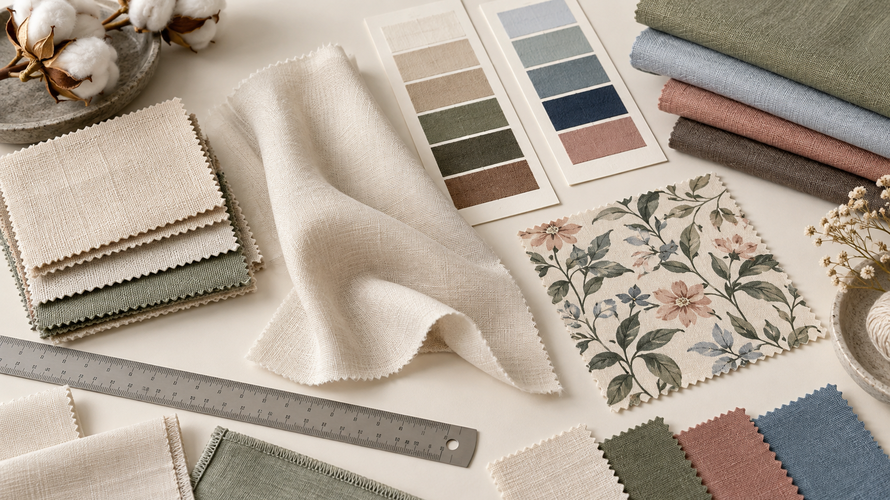
Start with the end use and write the material specification around the decision:
- Fibre: exact composition, blend ratio, generic fibre name and any branded fibre claim.
- Construction: woven or knitted base, weave or knit structure, face and reverse.
- Dimensions: finished weight, thickness, usable width, stretch, recovery and tolerance.
- Surface: target hand, drape, opacity, sheen, finish and colour standard.
- Production: print method, repeat, strike-off, dimensional change, colourfastness, pilling, abrasion and seam requirements.
- Care: washing, drying, pressing or dry-cleaning route and customer-facing instruction.
Keep the approved fabric swatch with the written specification. For a comparison between terminology, see the existing viscose vs rayon guide. If the selected material is woven, the woven fabric guide explains why warp, weft and construction must also be recorded.
Frequently Asked Questions
Is Viscose Better Than Cotton?
Neither fibre is automatically better. Viscose may be chosen for fluid drape, softness and a smooth printed surface, while cotton may be preferred for structure, wet handling and frequent laundering. Compare the actual construction, finish and finished sample.
Is Viscose Cooler Than Cotton?
Viscose can feel cool and fluid, but it is not always cooler during extended wear. Weight, weave, openness, moisture absorption, drying and garment construction all affect comfort. Test the finished product instead of making a universal cooling claim.
Is Cotton More Breathable Than Viscose?
There is no universal answer at fibre level. Breathability and moisture movement depend strongly on construction, yarn, weight, finishing and fit. Compare actual fabric tests or finished samples.
Is Viscose More Delicate Than Cotton?
Some viscose qualities are more sensitive to wet handling, distortion or heat than comparable cotton qualities, but the difference depends on construction and finish. Follow the approved care route and test the exact fabric.
Does Viscose Shrink More Than Cotton?
Either fibre can shrink or change dimension. The amount depends on fibre, yarn, construction, finishing and care. Measure the finished sample after the intended wash or cleaning process.
Is Cotton Easier to Care For?
Cotton is often familiar and tolerant in everyday laundering, but cotton fabrics still vary in shrinkage, colourfastness, finish and pressing response. Use the actual care label and production sample.
Is Viscose Natural or Synthetic?
Viscose is a manufactured regenerated cellulosic fibre. It begins with plant-derived cellulose, but the cellulose is dissolved and regenerated into fibre. It is not an untreated natural fibre like cotton and not a petroleum-based synthetic fibre like polyester.
Is Bamboo Viscose the Same as Bamboo Fibre?
No. The FTC explains that rayon or viscose made from bamboo plant material must be described accurately as rayon or viscose made from bamboo unless it is genuinely made from mechanically processed bamboo fibre. Check the fibre disclosure and supporting documentation.
Conclusion
Viscose and cotton can both produce comfortable, attractive and useful textiles, but they solve different product problems. Viscose often supports fluid drape, softness and smooth colour, while cotton often offers structure, familiar laundering and robust wet handling. Those are tendencies, not guarantees.
The reliable choice comes from specifying fibre, construction, weight, finish, care and performance together. Approve the actual swatch, strike-off and finished-size sample before bulk production, especially when the product will be printed, washed, lined or sold as a custom textile.
