
What Is Rayon Fabric? Fibre Types, Properties and Buyer Checks

Carina Silk Editorial Team writes practical guides on silk fabrics, scarves and custom textile development, with a focus on materials, artwork, sampling, construction and finishing decisions.
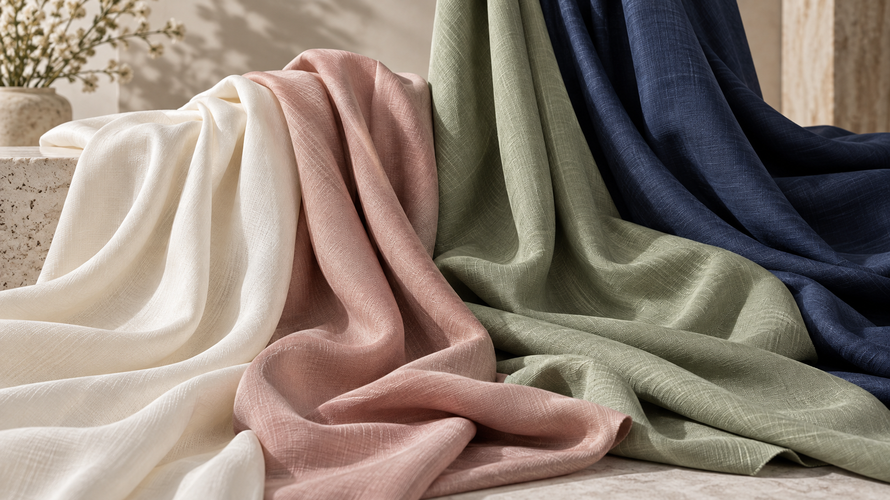
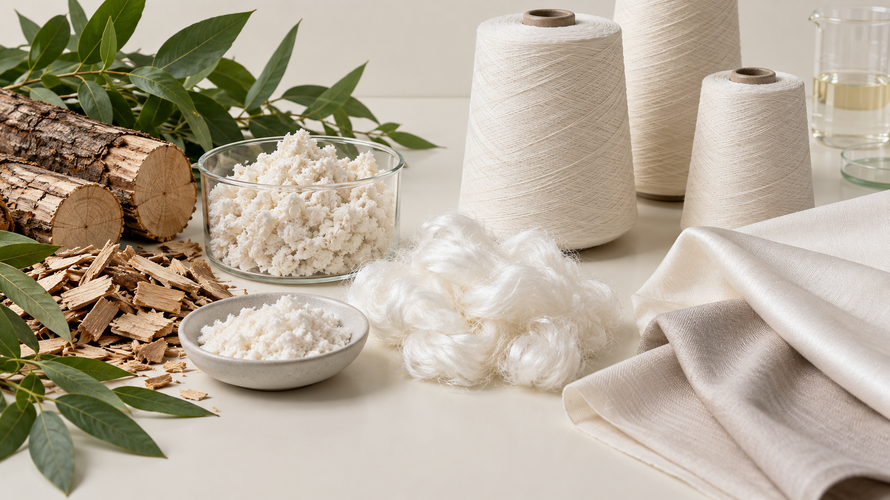
Rayon fabric is made with regenerated cellulose fibre. The cellulose begins with a plant-derived source such as wood pulp or cotton linters, but it is dissolved and re-formed into textile fibre through a manufacturing process. Rayon is not an untreated natural fibre, and it is not the same as a petroleum-based synthetic fibre such as polyester.
The word rayon can refer to a fibre family rather than one finished fabric. Viscose is the most common rayon direction, while modal, lyocell, cupro and acetate-related fibres have different processes and performance. A buyer should state the exact fibre name, construction, weight, finish and care route before approving rayon fabric.
What Is Rayon Fabric?
Rayon is a manufactured regenerated cellulosic fibre. Cellulose from a plant-based source is processed into a solution and regenerated into fibre. The Textile Exchange viscose glossary explains that viscose and rayon are names used for this broad fibre direction in different markets.
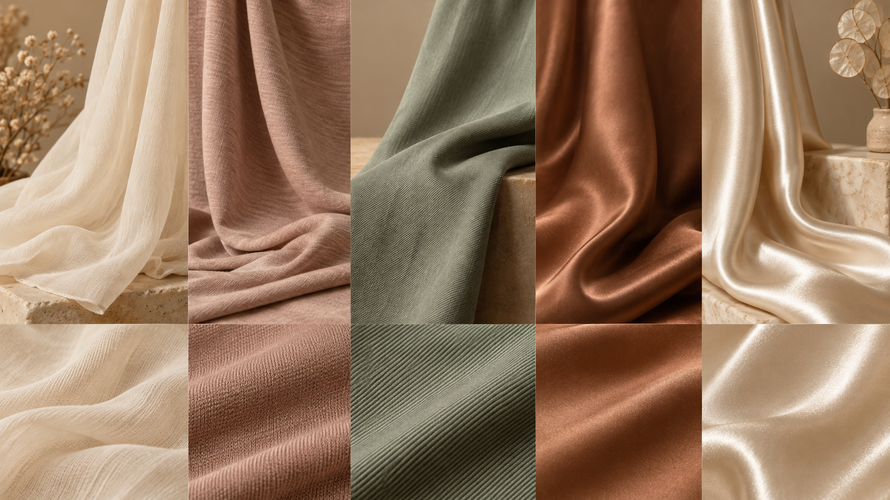
Once spun into yarn, rayon can be woven or knitted into challis, crepe, jersey, twill, satin, voile and many other constructions. The final fabric can be soft, fluid, matte, lustrous, sheer, structured or stretchy depending on yarn, construction and finishing.
Rayon, Viscose and Other Regenerated Fibres
In the US, rayon is the common generic label name for many regenerated cellulosic fibres; “viscose” is widely used internationally and identifies the viscose process or common fibre direction. The FTC fibre-labeling guidance notes that viscose may be used as an alternative generic name in relevant contexts.
Modal and lyocell are related regenerated-cellulose families but are not automatically identical to standard viscose. Cupro and acetate have their own process and handling characteristics. Do not use a broad “rayon” label to hide a required fibre distinction in a quotation, care label or product claim. The CFDA rayon fibre guide adds useful fibre context.
| Rayon direction | Common product direction | What it may contribute | What to verify |
|---|---|---|---|
| Viscose rayon | Challis, dresses, scarves, linings and prints | Soft hand, fluid drape and dye receptivity | Wet handling, shrinkage, pilling and care |
| Modal | Underwear, sleepwear, jersey and soft apparel | Soft close-to-skin feel and fluid movement | Blend, stretch, recovery and pilling |
| Lyocell | Apparel, denim blends, bedding and basics | Softness and controlled drape potential | Exact branded/generic fibre, construction and care |
| Cupro | Linings, fluid dresses and refined apparel | Smooth hand and fluid surface | Care, seam behaviour and surface snagging |
| Acetate / triacetate | Linings, occasionwear and selected goods | Lustre, drape or pleat potential | Heat, cleaning, abrasion and dimensional change |
How Is Rayon Made?
The exact route depends on the fibre family, but regenerated cellulose generally begins with purified cellulose. The cellulose is prepared, dissolved or converted into a process solution, extruded through a spinneret and regenerated into filaments or staple fibres. The fibre is then washed, dried, crimped or cut, spun into yarn and made into fabric.
Fibre stage does not determine every fabric property. Yarn twist, filament form, weave or knit, dyeing, printing, brushing, calendaring, coating and finishing all influence the final result. This is why two fabrics both labelled rayon can have different drape, opacity, wet strength and care requirements.
What Properties Matter in Rayon Fabric?
Rayon is often chosen for softness, fluid drape, absorbency and a smooth or silk-like surface direction. It can work well for flowing garments, scarves, linings, bedding and printed products when the selected construction matches the brief.
Hand and Drape
Softness and fluid movement are common reasons to consider rayon, but a dense weave, firm finish or blend can create more body. Hang, fold and knot the finished quality before approval.
Wet Handling and Care
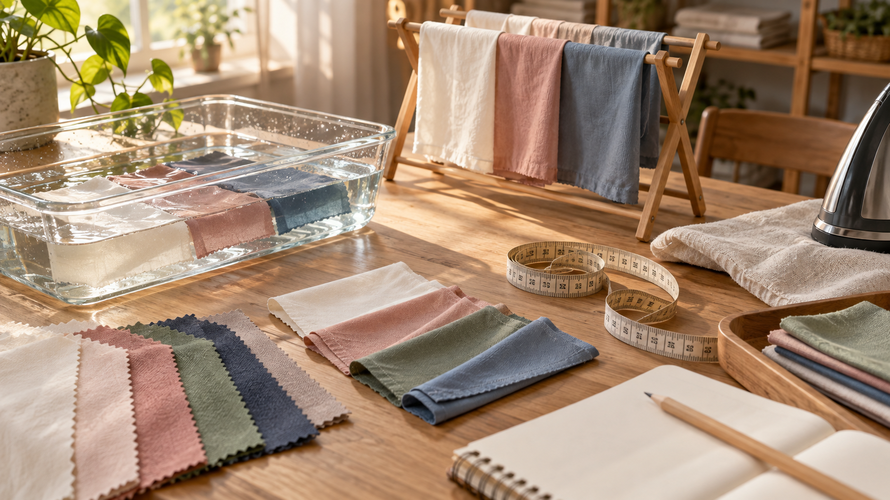
Many rayon qualities need careful wet handling, but the risk varies with fibre family, yarn, construction and finishing. Confirm washing, drying, pressing or dry-cleaning behaviour on the exact sample.
Colour and Print Response
Rayon can support smooth colour and detailed print, but ground colour, construction, surface and fastness still matter. Approve a strike-off and a finished-size sample.
Dimensional Stability and Surface Wear
Check shrinkage, distortion, wrinkling, pilling, snagging, abrasion and seam behaviour after the intended care route. Do not turn one generic rayon rule into a guarantee for every construction.
| Property | Why it may be selected | Possible risk | Buyer check |
|---|---|---|---|
| Hand and drape | Soft, fluid and comfortable direction | May lack body or change after care | Hang, fold and finished-size sample |
| Absorbency | Can support a comfortable hand | May dry slowly or react when wet | Moisture, drying and care test |
| Colour and print | Can support deep, smooth colour | Face, reverse and fastness vary | Strike-off, light and wash review |
| Dimensional stability | Can be engineered through construction | Shrinkage or distortion may occur | Measure before and after care |
| Surface wear | Soft surface for fashion products | Pilling, fuzzing or snagging can vary | Relevant abrasion and pilling test |
Is Rayon Suitable for Printed Scarves?
It can be, especially when the selected base provides the desired drape, opacity, hand and colour result. A fluid viscose challis, a rayon satin and a rayon twill will not print or move in exactly the same way. Confirm ground colour, print method, repeat, edge, width, weight and fastness on the actual fabric.
For custom products, approve artwork at the intended scale and review the finished scarf rather than a flat strike-off alone. Knotting, hemming, washing and lighting can change the customer’s perception of the result.
How Should Buyers Specify Rayon?
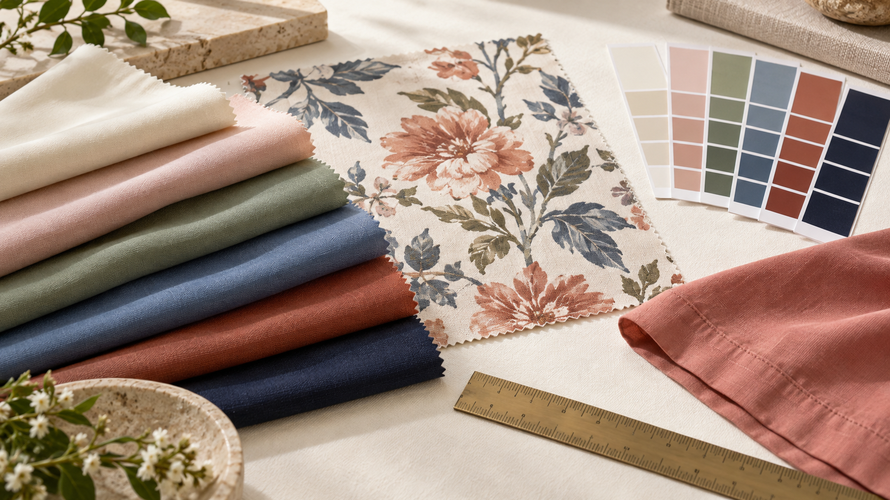
Name the exact fibre direction and percentage, then add woven or knitted construction, yarn, weight, width, face and reverse, hand, drape, opacity, finish, print requirement, care route and acceptance tolerances. Retain the approved fabric swatch and compare production to it under realistic lighting.
If the material is woven, the woven fabric guide explains why warp and weft belong in the specification. For the naming relationship between viscose and rayon, use the existing viscose vs rayon explanation as the comparison route.
Frequently Asked Questions
Is Rayon a Natural Fibre?
Rayon starts with plant-derived cellulose, but the cellulose is dissolved and regenerated into textile fibre. It is a manufactured regenerated cellulosic fibre rather than an untreated natural fibre.
Is Rayon the Same as Viscose?
Rayon and viscose refer to closely related naming and process directions, with regional labeling differences. Confirm the exact fibre name in the specification.
Is Rayon Breathable?
Comfort and air movement depend on fibre, yarn, construction, weight, finish and garment design. A lightweight open rayon can behave differently from a dense rayon twill.
Is Rayon Durable?
Durability depends on fibre family, construction, yarn, finish and use. Confirm the finished sample and relevant tests.
Does Rayon Shrink?
Rayon can change dimension through washing, drying, heat and finishing, but the amount varies. Measure the exact quality after the intended care route.
Is Rayon Good for Scarves?
It can be suitable when the fabric has the required drape, opacity, hand, print result and edge stability. Choose by finished construction rather than the word rayon alone.
Can Rayon Be Printed?
Many rayon fabrics can be printed, but the process and fastness depend on fibre direction, construction, dye affinity, surface and care. Approve a strike-off and finished-size sample.
What Should a Rayon Supplier Provide?
Ask for exact fibre composition, construction, weight, width, finish, care route, test evidence and a production-representative sample.
Conclusion
Rayon fabric is made from regenerated cellulose and covers several fibre directions, with viscose as the common route. Its softness, drape and print potential can be valuable, but the finished result depends on fibre, yarn, construction, finish and care. Specify the exact quality, test the finished sample and do not treat a broad rayon label as a complete fabric specification.
