
Modal vs Cotton: Properties, Uses and Buyer Checks

Carina Silk Editorial Team writes practical guides on silk fabrics, scarves and custom textile development, with a focus on materials, artwork, sampling, construction and finishing decisions.
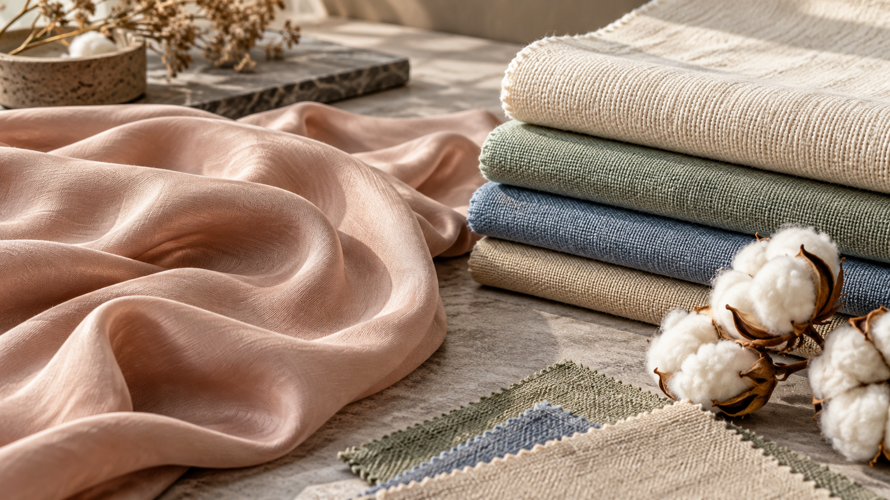
Modal and cotton are different fibre families. Cotton is a natural seed fibre, while modal is a regenerated cellulose fibre in the rayon family. A modal fabric often feels smooth and fluid; cotton can offer a broader range of structures and familiar care behaviour.
There is no universal winner. The choice depends on the finished construction, weight, hand, moisture behaviour, stretch, care route, product use and the evidence required for the target market. A modal-cotton blend may be the better answer when the brief needs a balance.
What Are Modal and Cotton?
Cotton is a natural cellulose fibre that comes from the seed hairs of the cotton plant. Modal is a manufactured regenerated-cellulose fibre. The Textile Exchange materials classification helps separate natural fibres from manufactured cellulosic fibres.
The fibre name does not specify the finished fabric. Yarn size, knit or weave, density, weight, finish and blend percentage can change softness, drape, opacity, shrinkage and recovery.
Use the modal fabric guide for modal-specific properties, then compare the actual finished construction rather than comparing two fibre names in isolation.
How Do Modal and Cotton Become Fabric?
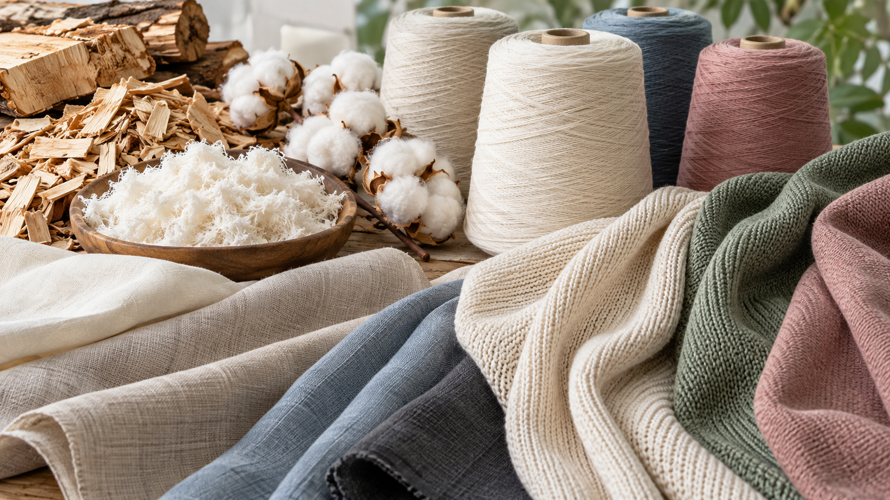
Cotton staple fibres are cleaned, spun into yarn and formed into woven or knitted fabric. The yarn and construction control much of the final body, surface and dimensional response.
Modal begins with cellulose that is processed into a spinning solution and regenerated into fibre. It can be used as staple or filament yarn and may be blended with cotton, elastane or other fibres.
Dyeing and finishing can change the result for both fibres. Compare washed or finished samples when the product will be laundered, printed, brushed, compacted or mechanically finished. The woven fabric guide explains why construction must be recorded separately from fibre.
What Are the Main Modal and Cotton Options?
The comparison becomes more useful when the buyer identifies the construction and blend.
| Option | Typical direction | Potential fit | What to confirm |
|---|---|---|---|
| 100% modal | Smooth, fluid and soft | Next-to-skin and drapey products | Wet strength, pilling and care |
| 100% cotton | Broad range from crisp to soft | Everyday apparel and structured textiles | Staple, yarn, weave and shrinkage |
| Cotton-modal blend | Balances hand and structure | Soft casualwear and accessories | Blend ratio and wash response |
| Modal knit | Flexible and fluid | T-shirts, underwear and soft wraps | Stretch, recovery and spirality |
| Cotton woven | More stable and structured | Shirts, scarves and panels | Construction, opacity and crease |
| Blended stretch quality | Adds recovery to either base | Close-fitting or movement-led products | Elastane ratio and recovery |

Modal vs Cotton: What Is the Difference?
Modal is often selected for a smooth, fluid hand, while cotton offers a wider construction range and a familiar natural-fibre position. These are starting directions, not guarantees. A heavy cotton knit and a light cotton voile do not behave like the same material.
Modal can be useful when softness and drape matter, but the buyer should check wet strength, pilling, recovery and care on the actual quality. Cotton can offer structure and versatility, but it can crease, shrink or hold moisture differently depending on the fabric.
For a custom product, compare fibre composition, weight, width, opacity, surface, colour response, print route and finished dimensions. A fabric swatch and a washed or finished sample should decide the final choice.
What Should Buyers Check Before Choosing Modal or Cotton?
A comparison table cannot replace a finished sample. Use the following checks to convert the fibre choice into a workable specification.
Fibre and Blend Ratio
Confirm the generic fibre names and percentages. A small amount of elastane or polyester can change stretch, recovery and care.
Construction and Weight
Record knit or weave, yarn, density, weight, width and finish because these variables can outweigh the fibre name in the final hand.
Moisture and Wet Handling
Check absorbency, drying, wet strength and dimensional change under the actual care or use conditions.
Drape and Structure
Hang and handle the finished sample. Confirm whether it needs fluid movement, body, opacity or a controlled edge.
Colour and Printing
Approve colour, artwork, repeat, show-through and print route on the chosen fibre and finish.
Care and Compliance
Confirm care instructions, fibre labelling and any destination-market documentation. Do not turn a general fibre advantage into an unsupported claim.
| Criterion | Modal tendency | Cotton tendency | What to confirm |
|---|---|---|---|
| Hand | Smooth and soft | From crisp to soft | Finished sample after care |
| Drape | Often fluid | Depends strongly on construction | Weight, density and finish |
| Structure | Can be relaxed | Wide range of body | Knit or weave and width |
| Wet response | Must be tested by quality | Must be tested by quality | Wash trial and dimensions |
| Depends on dye route | Depends on dye route | Strike-off and colour standard | |
| Blend route | Can be blended with cotton | Can be blended with modal | Exact percentage and label |

When Should You Choose Modal, Cotton or a Blend?
Choose modal as a starting direction when the product needs a smooth hand and fluid movement, then confirm wet behaviour and care. Choose cotton when the project needs a familiar natural-fibre position, structure or a broad range of constructions.
Choose a modal-cotton blend when the brief needs a balance of softness, body, cost position or care. The blend ratio must still be tested because a small composition change can alter the finished result.
For printed scarves, review the printed, woven and Jacquard pattern routes separately from the fibre decision. The base fabric and decoration method solve different parts of the brief.
How Should Modal or Cotton Fabric Be Specified?
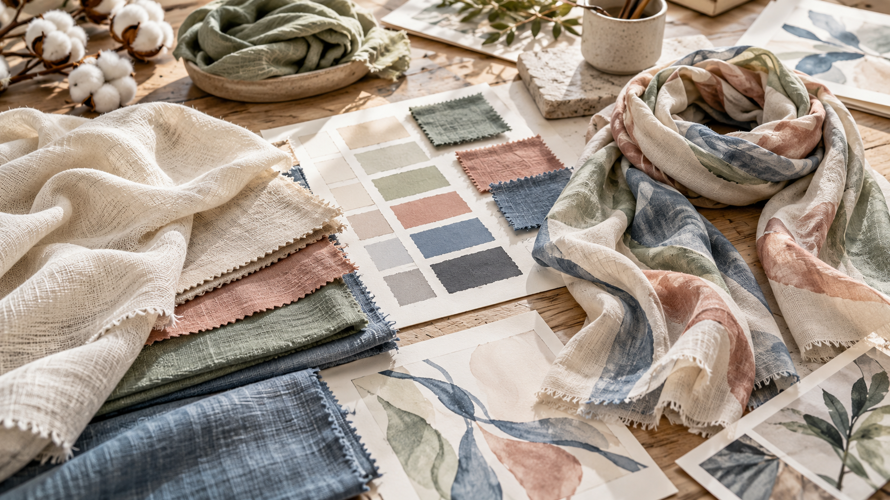
State fibre content, blend ratio, yarn, knit or weave, weight, width, opacity, stretch, recovery, finish, colour, artwork, print route, care, shrinkage and acceptable tolerances.
Send the swatch and finished sample requirements with the RFQ. The accepted reference should show the hand, drape, colour, dimensions and edge treatment that the bulk quality must match.
Frequently Asked Questions
Is modal better than cotton?
Neither is automatically better. Modal may suit a smooth, fluid hand, while cotton may suit structure and a broader construction range. The finished sample decides.
Is modal softer than cotton?
Modal is often described as smooth and soft, but yarn, construction and finishing can change the result. Compare the actual fabric rather than the fibre label alone.
Is cotton more durable than modal?
Durability depends on fibre, yarn, construction, finish and care. Test the specific fabric for abrasion, pilling, wet handling and dimensional stability.
Can modal and cotton be blended?
Yes. A modal-cotton blend can balance hand and structure, but the exact ratio and finishing must be confirmed on the finished quality.
Is modal good for printed fabric?
It can be, but the print route depends on fibre content and preparation. Approve a strike-off for colour, detail, show-through and wash response.
Which is better for scarves, modal or cotton?
Modal may suit a fluid soft scarf, while cotton may suit a more stable or matte scarf. Weight, weave, opacity, print and finishing are decisive.
What should a buyer compare?
Compare composition, construction, weight, width, hand, drape, opacity, colour, print route, care, shrinkage and a finished sample.
Conclusion
Modal versus cotton is a finished-fabric decision, not a simple fibre popularity contest. Choose the direction that matches the required hand, drape, structure, care and product use, then confirm the exact blend and construction through samples and tests.
