What Is Modal Fabric? Properties, Uses and Buyer Checks

Carina Silk Editorial Team writes practical guides on silk fabrics, scarves and custom textile development, with a focus on materials, artwork, sampling, construction and finishing decisions.

Modal fabric is made from regenerated cellulose and is commonly chosen for its soft hand, smooth surface and fluid movement. The cellulose begins with a plant-based source, but it is processed and re-formed into textile fibre; modal is not an untreated natural fibre.
Modal is a fibre direction rather than one finished fabric. It can be knitted into jersey or rib, woven into a lightweight fabric, or blended with cotton, elastane or other fibres. The final result depends on fibre content, yarn, construction, weight, finishing and care.
What Is Modal Fabric?
Modal is a manufactured regenerated cellulosic fibre and a variation of rayon or viscose. The Textile Exchange modal glossary describes modal as a second-generation regenerated cellulosic fibre and notes its reputation for softness.
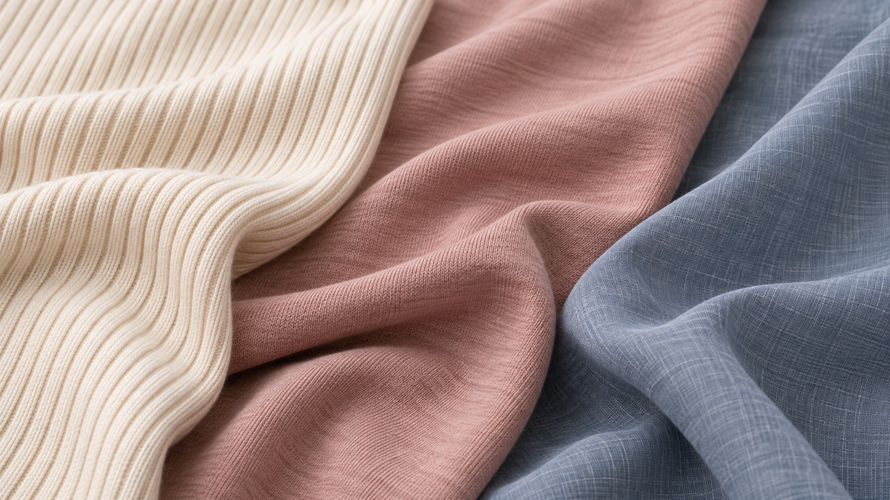
After the fibre is spun into yarn, it may be knitted or woven into several constructions. A modal jersey, rib, interlock, voile or satin-like fabric can each have a different body, stretch, opacity and care response. “Modal” should therefore be treated as the fibre identity, not the whole product specification.
How Is Modal Different from Rayon, Viscose and Lyocell?
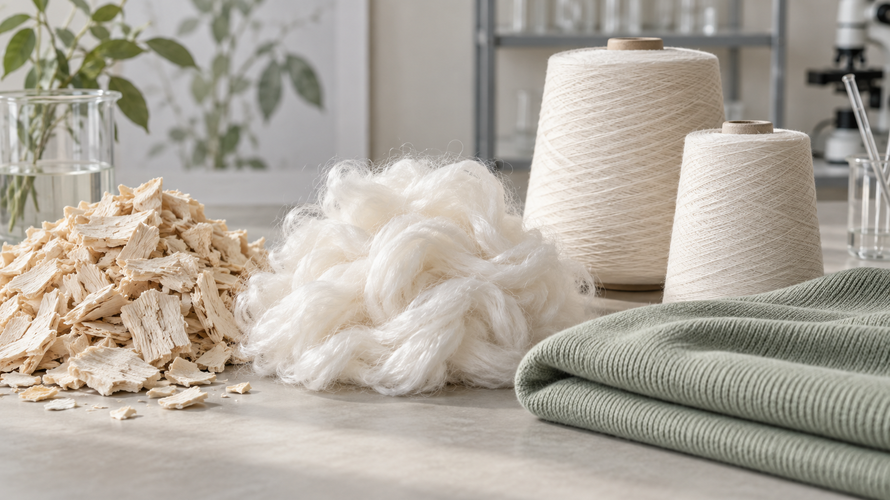
Rayon is the broad family name used for regenerated cellulose fibres, while viscose is a common rayon direction and modal is a related fibre made through a modified process. Lyocell is another regenerated-cellulose direction with its own process and specification. They should not be treated as interchangeable fabric qualities.
The FTC textile fibre-labeling guidance explains that generic fibre names are used for textile identification and recognises modal, viscose and related man-made fibre terminology in the relevant labeling framework. Use the exact name and percentage in the specification.
For the broader naming relationship, see the existing viscose versus rayon explanation, while this article concentrates on modal-specific buying decisions.
| Fibre direction | Typical description | What may differ | What to confirm |
|---|---|---|---|
| Modal | Soft regenerated cellulose | Wet response, body and surface | Generic name, blend, weight and care |
| Viscose rayon | Fluid regenerated cellulose | Wet strength, shrinkage and drape | Construction, finish and testing |
| Lyocell | Regenerated cellulose with a distinct process | Hand, recovery and surface wear | Exact fibre name and care route |
| Cotton | Natural cellulose fibre | Hand, moisture response and crease | Fibre content and finished construction |
How Is Modal Made?
Modal production begins with purified cellulose. The cellulose is prepared and converted into a process solution, extruded through a spinneret and regenerated into filaments or staple fibres. The fibre is then washed, dried, crimped or cut, spun into yarn and made into fabric.
The fibre route does not determine every property. Yarn count and twist, filament or staple form, knit or weave, dyeing, printing and finishing can change the finished hand. Ask for the fibre percentage and construction together, not a fibre name by itself.
What Are the Main Properties of Modal Fabric?
Modal is commonly selected for softness and a smooth, comfortable hand. It can support fluid movement and a close-to-skin feel, but the result varies by construction, weight, finish and blend.
Softness and Hand Feel
Modal can feel smooth and soft, especially in fine-gauge knits. A blend, compact yarn or heavy finish can make the same fibre direction feel firmer. Compare the actual finished sample against the intended use.
Drape, Stretch and Recovery
Modal jersey can move and stretch differently from modal woven fabric. Test the intended width, stretch percentage and recovery after repeated extension if fit or wrapping performance matters.
Moisture and Wet Handling
Cellulosic fibres interact with moisture, and the finished response depends on construction and finishing. Check wet hand, drying time, dimensional change and pressing behaviour on the exact quality.
Pilling and Surface Wear
Pilling, fuzzing and abrasion depend on fibre length, yarn, knit or weave, finishing and use. If the product will rub against skin, bags or hardware, run a relevant wear check rather than relying on a generic fibre claim.
Colour and Print Response
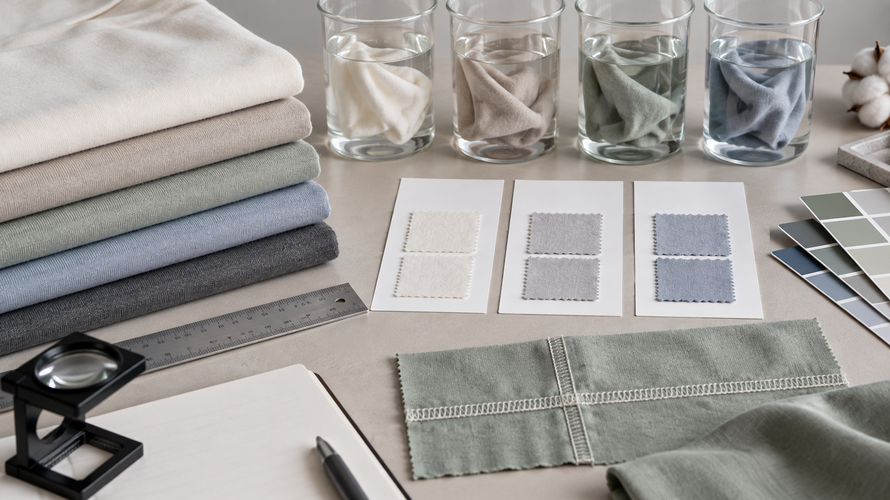
Modal can be used for smooth colour and printed products, but ground colour, surface, construction, dye route and fastness still matter. Approve a strike-off and a finished-size sample.
Care and Dimensional Stability
Care instructions should be based on the finished construction. Measure shrinkage, skew, torque, colour change and surface response after the intended washing, drying or pressing route.
| Property | Why buyers consider it | Possible limitation | Buyer check |
|---|---|---|---|
| Soft hand | Comfortable close-to-skin feel | May vary by blend and finish | Blind hand comparison |
| Drape | Fluid movement for apparel and scarves | May lack body or recovery | Hang, fold and knot sample |
| Moisture response | Can feel comfortable in a light quality | Wet strength and drying vary | Wet handling and drying test |
| Surface wear | Soft surface for everyday products | Pilling and abrasion may develop | Relevant rubbing and pilling test |
| Colour response | Can support clean colour and print | Fastness depends on process | Strike-off and wash review |
Where Is Modal Fabric Used?
Modal is common in soft apparel, underwear, sleepwear, T-shirts, base layers, jersey accessories and selected scarf or lining qualities. A woven modal or modal blend can also be used when a project needs a smoother surface with more controlled structure.
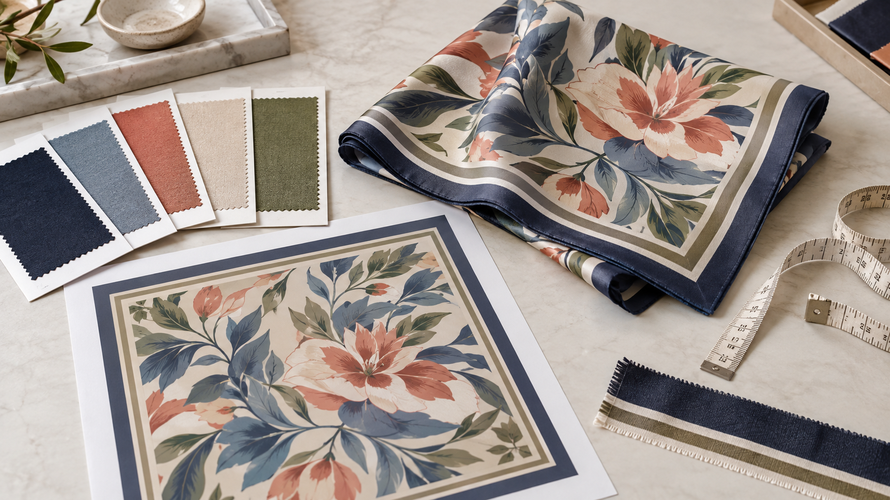
For custom scarves, assess finished width, weight, opacity, print method, edge treatment, drape and care together. A fabric that feels soft in a small swatch may behave differently after printing, hemming and full-size handling.
How Should Buyers Specify Modal Fabric?
State the exact modal percentage and any blend, then add knit or woven construction, yarn, weight, width, stretch, recovery, opacity, surface, finish, print requirement, care route and acceptance tolerances. Keep the approved fabric swatch with the purchase specification.
If the product is woven, use the woven fabric guide to record warp, weft and construction. For broader regenerated-cellulose context, compare the existing rayon fabric guide. For printed products, retain the printed, woven and jacquard comparison with the artwork approval.
Frequently Asked Questions
Is Modal a Natural Fibre?
Modal starts with plant-derived cellulose, but that cellulose is processed and regenerated into textile fibre. It is a manufactured regenerated cellulosic fibre rather than an untreated natural fibre.
Is Modal the Same as Rayon?
Modal is a related regenerated-cellulose fibre and a variation of rayon or viscose, but the names should not be used as if they describe identical finished fabrics. Confirm the exact generic fibre name, blend and construction.
Is Modal Breathable?
Comfort and air movement depend on yarn, construction, weight, finish and garment design. A light open knit can behave differently from a dense modal blend.
Does Modal Shrink?
Modal can change dimension through washing, drying, heat and finishing, but the amount varies by quality. Measure the exact sample after the intended care route.
Does Modal Pill?
Pilling depends on fibre length, yarn, knit or weave, finishing and friction. Run a relevant pilling and abrasion check on the finished construction rather than assuming every modal quality performs the same.
Is Modal Good for Scarves?
It can suit a scarf when the selected quality has the required hand, drape, opacity, print result and edge stability. Choose by finished construction and testing, not the word modal alone.
Is Modal Better Than Cotton?
Neither is automatically better. Modal may be preferred for softness and fluid movement, while cotton may be preferred for familiar structure, durability or care expectations. Compare the finished quality against the end use.
What Should a Modal Supplier Provide?
Ask for fibre composition, construction, yarn, weight, width, finish, care route, test evidence, colour or print approval and a production-representative sample.
Conclusion
Modal is a regenerated cellulosic fibre valued for softness and fluid comfort, but it does not define one universal fabric behaviour. Specify the fibre, construction, weight, finish and care route together, approve the finished sample and test the properties that matter for the final product.