
What Is Shantung Fabric? Properties, Uses and Buyer Checks

Carina Silk Editorial Team writes practical guides on silk fabrics, scarves and custom textile development, with a focus on materials, artwork, sampling, construction and finishing decisions.

Shantung is a textured plain-weave fabric direction often associated with visible slubs and a crisp or structured hand. Silk shantung is a premium option, but similar-looking qualities can be made with other fibres.
The irregular surface is part of the product character, yet buyers still need to distinguish intentional slub variation from defects and define the acceptable range.
What Is Shantung Fabric?
Shantung fabric is commonly a plain-weave textile with visible slubs, uneven yarn character or a subtly irregular surface. Silk shantung uses silk yarns, but the word shantung alone does not prove fibre content.
Compare the exact quality with silk fabric types and the woven fabric guide because fibre, yarn and finishing all affect the final hand.
A good specification describes the slub direction, density, weight, width, face, reverse, colour and acceptable variation.
How Is Shantung Fabric Made?
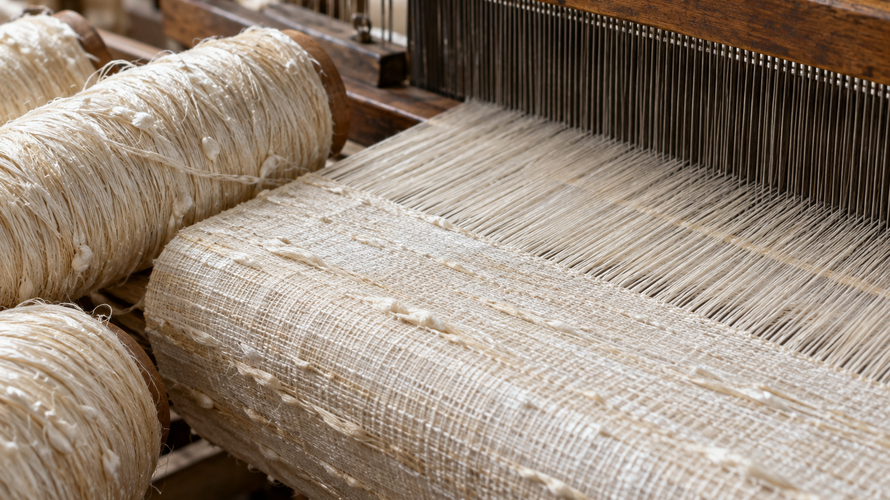
Shantung character can come from irregular yarns, slub yarns, filament differences or controlled variation in the plain-weave construction. Warp and weft may not carry the same visual character.
After weaving, dyeing, washing, pressing and finishing can change the visibility of slubs, the crispness of the hand and the final dimensions.
A production-scale sample is important because a small cutting may not show the distribution of slubs, the full colour balance or how the fabric behaves at the hem.
What Are the Main Shantung Fabric Directions?
Shantung is a family direction rather than one fixed quality. Confirm the fibre and slub route.
| Shantung direction | Typical character | Common fit | What to confirm |
|---|---|---|---|
| Silk shantung | Natural slub character and structured hand | Occasionwear and scarves | Silk content and slub tolerance |
| Polyester shantung | Lower-cost textured direction | Apparel and decorative products | Fibre, lustre and heat response |
| Fine shantung | Smaller slubs and lighter body | Blouses and accessories | Opacity, weight and drape |
| Heavy shantung | More body and visible texture | Jackets and panels | Stiffness, width and yield |
| Yarn-dyed shantung | Colour built into yarns | Two-tone or striped products | Warp, weft and repeat |
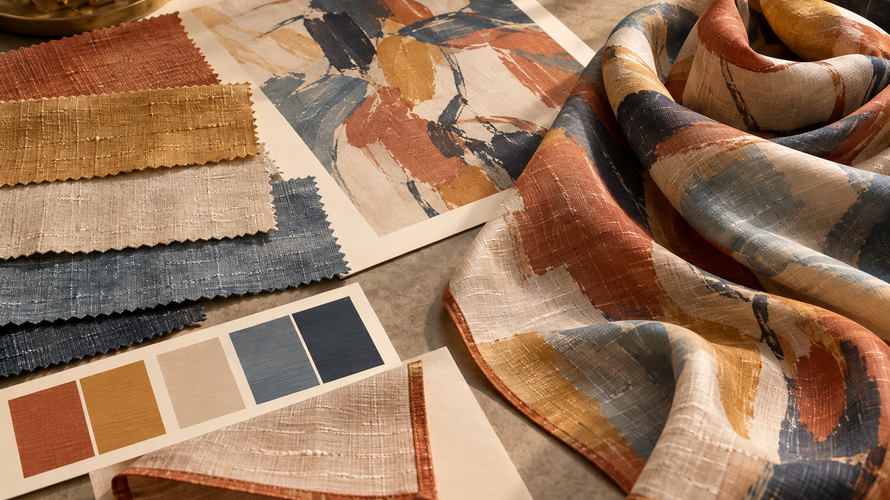
| Printed shantung | Artwork over textured ground | Custom scarves and accessories | Texture, registration and rub |

Shantung vs Dupioni and Other Textured Silks
Shantung and dupioni silk are related textured directions, but naming and quality boundaries vary by supplier and market. Compare slub size, distribution, lustre, weight, stiffness and reverse on the actual sample.
The silk twill guide shows why weave direction changes hand even when the fibre remains silk. A fabric swatch should record the approved slub range.
What Should Buyers Check in Shantung Fabric?
Natural or engineered variation should be defined clearly so a textured fabric is not rejected for the character that was intended.
Composition and Yarn
Confirm silk, polyester or blend content, yarn type, slub route and whether warp and weft differ.
Slub Distribution
Define acceptable slub size, frequency, direction, concentration and visible variation across the width.
Weight and Width
Measure finished weight, usable width, thickness, opacity, stiffness and dimensional tolerance.
Colour and Artwork
Approve shade, yarn-dyed or printed route, repeat, registration and how the texture changes colour perception.
Surface and Reverse
Inspect lustre, face, reverse, snags, loose yarns, weave defects and edge behaviour.
Finished Product
Test cutting, seams, hems, pleats, pressing, care, packing and the appearance at full product scale.
| Check | Why it matters | Possible risk | Evidence to request |
|---|---|---|---|
| Composition | Sets identity and care | Wrong silk or blend claim | Fibre specification |
| Slubs | Defines intended character | Variation outside tolerance | Full-width approved sample |
| Weight | Controls body and yield | Wrong drape or coverage | Finished data |
| Colour | Controls visual balance | Texture shifts shade | Colour standard and sample |
| Surface | Protects quality | Loose yarn or defect | Face and reverse inspection |
| Product test | Confirms real use | Hem or pressing issue | Finished sample |

What Is Shantung Fabric Used For?
Shantung can suit occasionwear, jackets, dresses, structured scarves, bags, cushions, panels and other products where textured character and body are useful.
For custom products, keep the sample and inspection record with slub notes, finished dimensions and approved edge treatment.
How Should Shantung Fabric Be Specified?
State fibre, yarn or slub route, weave, weight, width, usable width, slub range, face, reverse, colour, print, finish, care and tolerances.
If the design is textured but needs a different drape, compare silk constructions before approving the final quality.
Frequently Asked Questions
What is shantung fabric?
Shantung is commonly a textured plain-weave fabric direction with visible slubs or irregular yarn character.
Is shantung always silk?
No. Silk shantung is common, but polyester and blended versions also exist. Confirm the fibre composition.
What is the difference between shantung and dupioni?
They are related textured directions, but the names vary by market. Compare slub distribution, weight, lustre, hand and the actual construction.
Is shantung good for scarves?
It can suit structured or textured scarves when weight, drape, slub range, print and edge treatment meet the brief.
Are shantung slubs defects?
Slubs can be an intentional design feature, but the acceptable range should be agreed in the approved sample and specification.
Does shantung fabric drape?
Drape depends on fibre, yarn, weight and finish. Many shantung qualities have more body than fluid satin, but the exact sample should be tested.
What should a shantung buyer request?
Request composition, yarn and slub details, weight, width, colour, care, tolerances and a full-width finished sample.
Conclusion
Shantung is a textured fabric direction whose character comes from yarn and construction. Define the fibre, slub range, weight, width, colour and finished-product requirements, then approve the actual quality before bulk production.
