
What Is Taffeta Fabric? Properties, Uses and Buyer Checks

Carina Silk Editorial Team writes practical guides on silk fabrics, scarves and custom textile development, with a focus on materials, artwork, sampling, construction and finishing decisions.
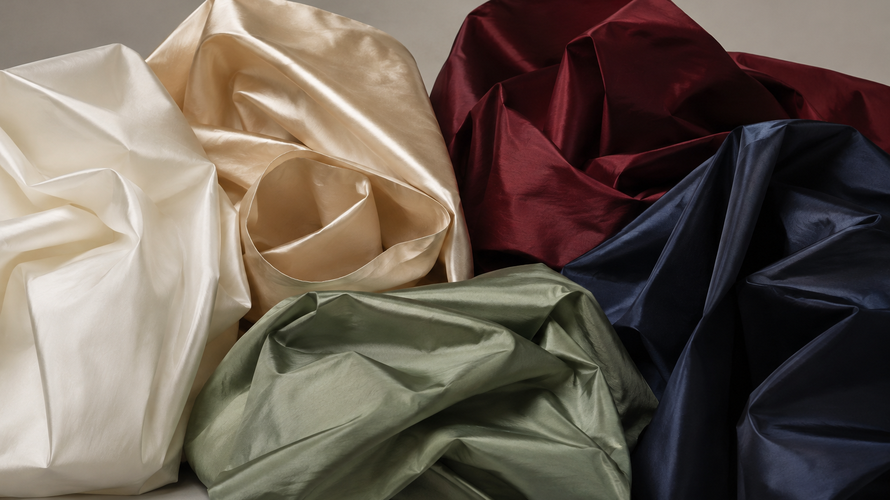
Taffeta is a woven fabric known for a crisp hand, smooth surface and structured movement. Silk taffeta is a traditional luxury direction, but polyester, nylon, acetate and blended taffetas are also widely used.
The name does not fix one fibre, weight or finish. Buyers should confirm yarn, construction, rustle, lustre, width, care, colour and finished use before approving a taffeta quality.
What Is Taffeta Fabric?
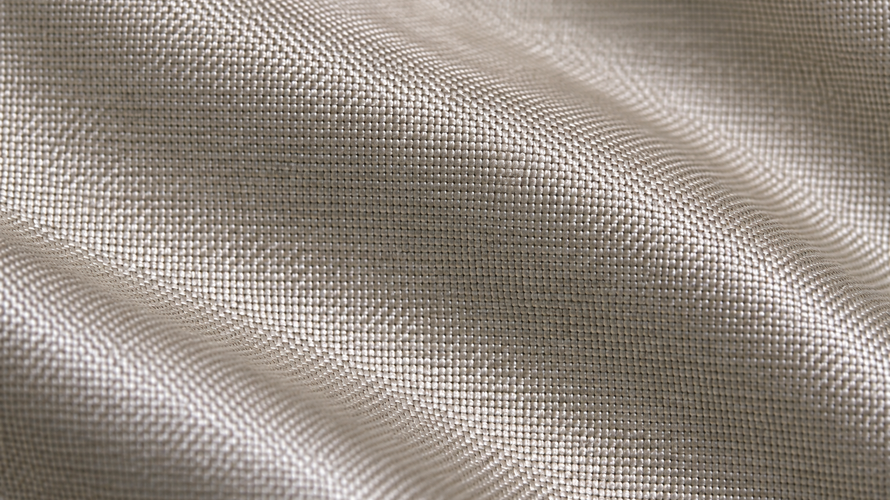
Taffeta is commonly made with a smooth plain-weave construction and fine, relatively firm yarns. It can hold shape, make a characteristic rustle and reflect light without having the fluid drape of charmeuse or satin.
The FTC labelling reference helps distinguish silk taffeta from synthetic taffeta. Construction and fibre should be recorded separately.
How Is Taffeta Made?
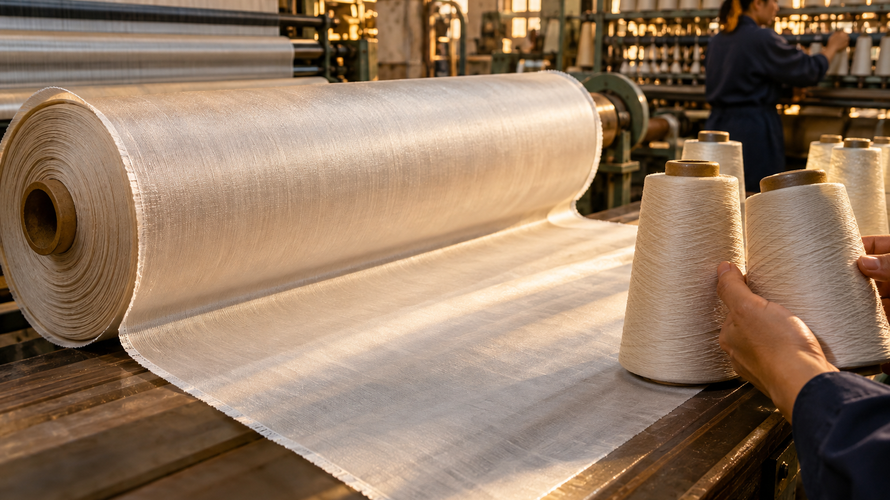
Fine yarns and a stable plain weave create a smooth face and crisp body. Fibre type, yarn twist, density, finishing and coating determine stiffness, rustle, lustre, crease response and drape.
Washing, calendaring, coating or heat treatment can change the surface and dimensional stability. A lightweight scarf taffeta and a structured fashion taffeta may share the name but behave differently.
What Are the Common Taffeta Directions?
Taffeta is available in different fibres, weights and finishes. Use the categories below as starting directions and confirm the physical sample. The basic woven design reference provides useful construction context.
| Taffeta direction | Typical hand | Common fit | What to confirm |
|---|---|---|---|
| Silk taffeta | Crisp, refined and softly lustrous | Luxury fashion and occasionwear | Silk type, weight and care |
| Polyester taffeta | Stable, crisp and engineered | Linings, events and cost-conscious goods | Static, heat and coating |
| Lightweight taffeta | Crisp but easier to drape | Scarves, bows and light panels | Rustle, edge and crease |
| Structured taffeta | Firm with shape memory | Gowns, decorations and panels | Body, seam and fold |
| Printed taffeta | Structured base with artwork | Custom fashion and branded products | Print sharpness and colour |
Taffeta Versus Satin, Charmeuse and Plain Weave
Taffeta and charmeuse can both be smooth, but taffeta is usually crisper and more structured, while charmeuse is more fluid and slippery. Satin identifies a smooth float-based surface family, whereas taffeta is commonly associated with a crisp plain weave.
Use the woven construction guide and the polyester versus silk comparison to separate fibre, construction and finish.
What Should Buyers Check in Taffeta Fabric?
Taffeta should be evaluated as a finished construction because rustle, crease, stiffness and heat response can change with weight and finishing.
Crispness and Body
Bend, fold and drape the fabric. Record whether it holds shape, springs back, collapses or feels too stiff for the product.
Rustle and Surface Noise
Test movement in the intended product context. A rustle that is desirable for occasionwear may be unsuitable for a quiet accessory.
Lustre and Colour
Inspect face and reverse under final lighting. Record how reflection and shade change as the cloth moves.
Crease, Heat and Care
Test steaming, pressing and the approved care route. Heat and finishing can alter lustre, body and dimensions.
Print, Seam and Edge
Approve artwork at finished scale and test needle marks, seam movement, fraying, hem and reverse show-through.
| Check | Why it matters | Possible risk | Evidence to request |
|---|---|---|---|
| Fibre and yarn | Controls hand and care | Silk assumed incorrectly | Composition specification |
| Body and rustle | Controls product character | Too stiff or noisy | Movement sample |
| Weight and width | Controls yield and structure | Wrong finished form | Measured standard |
| Lustre and colour | Protects appearance | Shade or reflection drift | Colour approval |
| Heat and care | Protects surface and size | Lustre loss or shrinkage | After-care test |
| Seam and edge | Protects manufacture | Marks, fray or puckering | Finished hem sample |
Is Taffeta Good for Scarves?
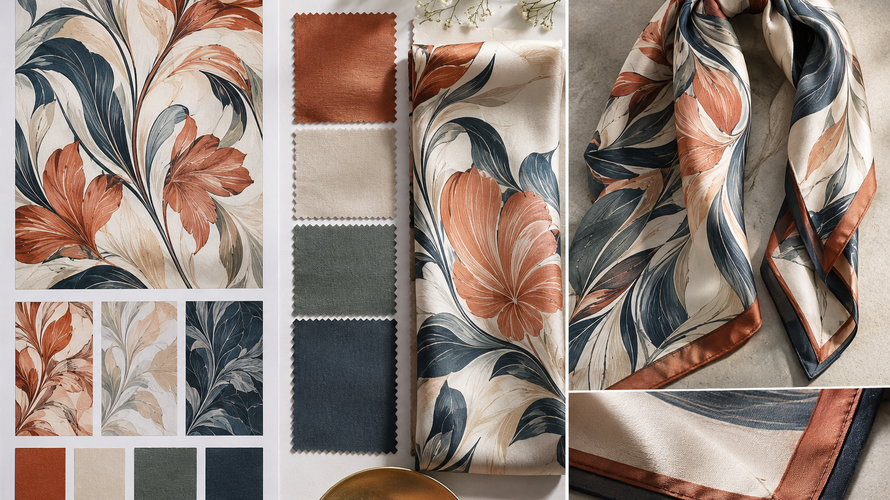
Lightweight taffeta can suit structured scarves, bows, occasion accessories and fashion panels when a defined shape is wanted. A heavier taffeta may be better for gowns or decoration and too firm for a soft, fluid scarf.
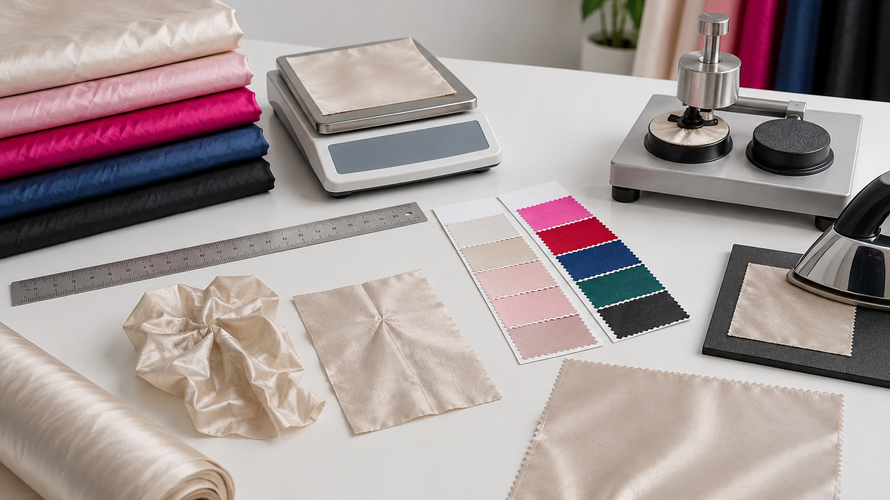
For custom development, keep the approved fabric swatch with the rustle, colour, artwork and finished hem approval.
How Should Taffeta Be Specified?
State fibre content, yarn, construction, weight, usable width, body or stiffness target, rustle, lustre, face and reverse, colour, print route, finish, care, heat tolerance and dimensional tolerances.
When choosing silk taffeta, compare the silk fabric directions and approve the finished-size sample rather than selecting from the name alone.
Frequently Asked Questions
What is taffeta fabric made from?
Taffeta can be made from silk, polyester, nylon, acetate, viscose or blends. Confirm fibre content for the actual quality.
Is taffeta a plain weave?
Taffeta is commonly associated with a stable plain weave and crisp yarns, but trade descriptions vary. Confirm the construction and finish.
Is taffeta soft or stiff?
It is usually crisp and structured, but weight, fibre, yarn and finish can range from light and flexible to firm and shape-holding.
Is taffeta good for scarves?
Lightweight taffeta can suit structured or occasion scarves, but a firm quality may be too stiff for a fluid style. Test the finished item.
Does taffeta wrinkle easily?
Crease response depends on fibre, yarn, weight and finish. Steam and care tests should be performed on the proposed quality.
Is silk taffeta better than polyester taffeta?
Neither is universally better. Silk may suit premium hand and natural-fibre positioning; polyester may suit cost, repeatability or easier-care requirements.
What should a taffeta supplier provide?
Request composition, construction, weight, width, body, rustle, lustre, colour, care data, heat and dimensional results and a representative finished sample.
Conclusion
Taffeta is a crisp woven fabric direction valued for structure, smoothness and controlled movement. Specify the fibre, construction, weight, body, rustle, lustre, care and finished edge, then approve the actual sample before production.
