
What Is Wool? Fibre Properties, Fabric Types and Buyer Checks

Carina Silk Editorial Team writes practical guides on silk fabrics, scarves and custom textile development, with a focus on materials, artwork, sampling, construction and finishing decisions.

Wool is a natural animal fibre made primarily from keratin and grown in the fleece of sheep and other animals. Its performance depends on fibre diameter, crimp, length, yarn, fabric construction, finishing and care. Woolmark’s fibre reference explains the fibre structure and why fineness and crimp matter.
Wool is not one fabric. It can become fine apparel cloth, felt, knitwear, blankets, scarves or blends with very different hand and weight. Buyers should specify the finished construction rather than relying on “wool” alone.
What Is Wool?
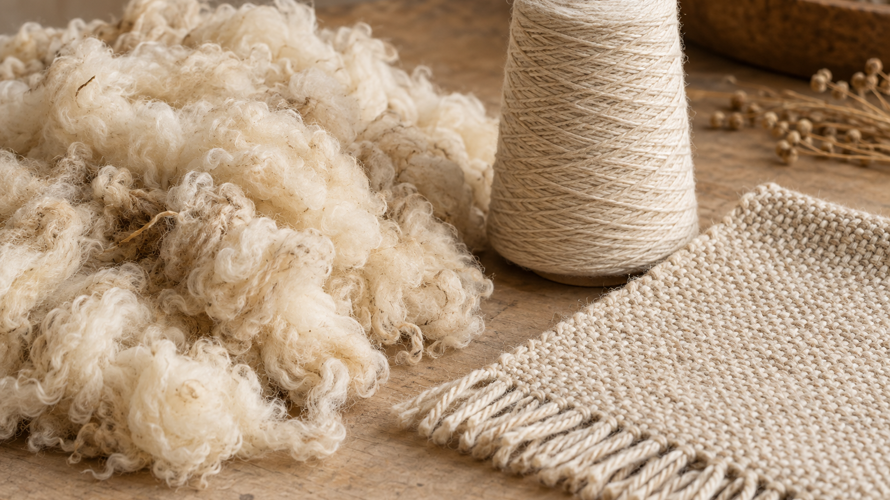
Wool is a natural protein-based animal fibre. The fibre has a layered structure and natural crimp, which can contribute to softness, resilience, insulation and moisture management depending on fineness and construction.
Fibre diameter is a major hand variable. Fine wool may feel suitable for next-to-skin use, while coarser fibres can be selected for outerwear, interiors or more textured products.
The fabric weight guide is useful because wool products can range from light woven scarves to dense heavy cloth, but weight must be paired with fibre fineness, construction and finish.
How Is Wool Turned into Fabric?
Wool is sorted, cleaned, prepared and spun into yarn. The yarn may be used in woollen or worsted systems, each creating different fibre alignment, surface and body.
Wool can be woven, knitted, felted, brushed, milled or blended. Finishing such as fulling, raising, pressing or shearing changes handle, density, appearance and dimensional behaviour.
Dyeing and finishing can alter colour, softness, pilling, shrinkage and care. Approve a finished sample after the intended route, particularly for scarves or products with fringes and borders.
What Are the Main Wool Fabric Directions?
Use fibre fineness and construction together when comparing wool qualities.
| Direction | Surface or structure | Potential fit | What to confirm |
|---|---|---|---|
| Fine wool or merino | Soft fibre with fine diameter | Next-to-skin apparel and light scarves | Fineness and comfort |
| Woollen yarn fabric | More random fibre alignment and fuller hand | Warm, soft and textured products | Hairiness and pilling |
| Worsted fabric | More aligned yarn and cleaner surface | Structured apparel and refined products | Smoothness and weight |
| Wool knit | Looped and flexible construction | Sweaters, wraps and soft accessories | Stretch and recovery |
| Felted or fulled wool | Fibres compacted or fabric shrunk | Dense accessories and insulation | Thickness and dimensional stability |
| Wool blend | Wool combined with other fibres | Cost, care or performance balancing | Blend ratio and label |
Wool vs Synthetic Fabric
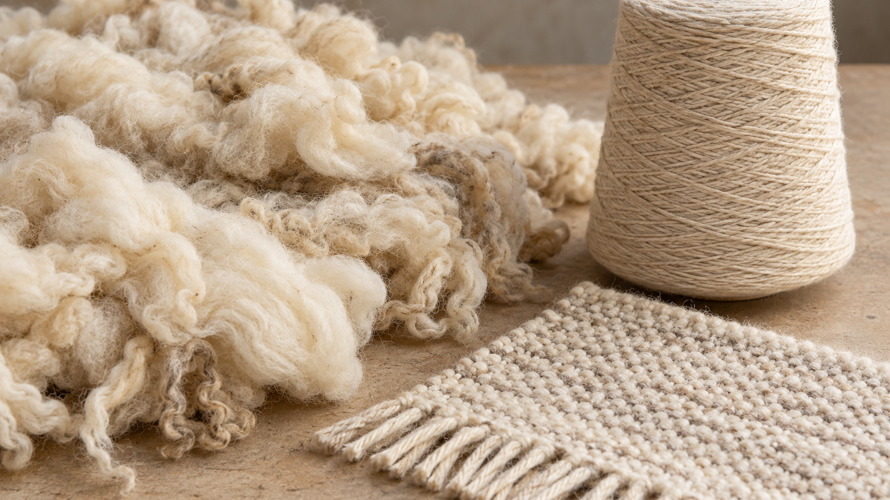
Wool has a natural protein structure, crimp and moisture-vapour behaviour; synthetic fibres can be engineered for strength, easy care, drying or consistent performance. Neither category is automatically better for every end use.
Compare wool with the synthetic-fabric guide by weight, warmth, drape, care, pilling, abrasion, moisture and price.
A wool scarf can be warm and soft, but the right quality depends on fineness, construction, climate, edge, packaging and the wearer’s comfort requirement.
What Should Buyers Check in Wool Fabric?
Wool quality is shaped by fibre fineness and processing as much as by the fibre name.
Fibre and Fineness
Confirm animal fibre, wool type, fineness or micron information and any blend percentage.
Yarn and Construction
Record woollen or worsted direction, yarn, woven or knitted structure, weight and density.
Hand and Comfort
Check softness, prickliness, hairiness, drape and warmth under the intended use.
Shrinkage and Care
Test washing, felting, pressing, steaming, colourfastness and dimensional stability.
Pilling and Abrasion
Evaluate surface change under the intended wear, friction and packaging conditions.
Finished Edge and Claims
Check fringe, hem, label, origin, certification and sustainability claims against evidence.
| Check | Why it matters | Possible risk | Evidence to request |
|---|---|---|---|
| Fineness | Controls comfort | Too coarse for use | Fibre data |
| Construction | Controls body and warmth | Wrong hand | Yarn and weave details |
| Weight | Controls drape and coverage | Product too heavy or light | Weight record |
| Care | Controls shrinkage and felting | Wrong care claim | Care trial |
| Pilling | Controls surface life | Early fuzz or pills | Abrasion test |
| Finished product | Confirms real use | Roll differs from scarf | Approved sample |
Where Is Wool Used?
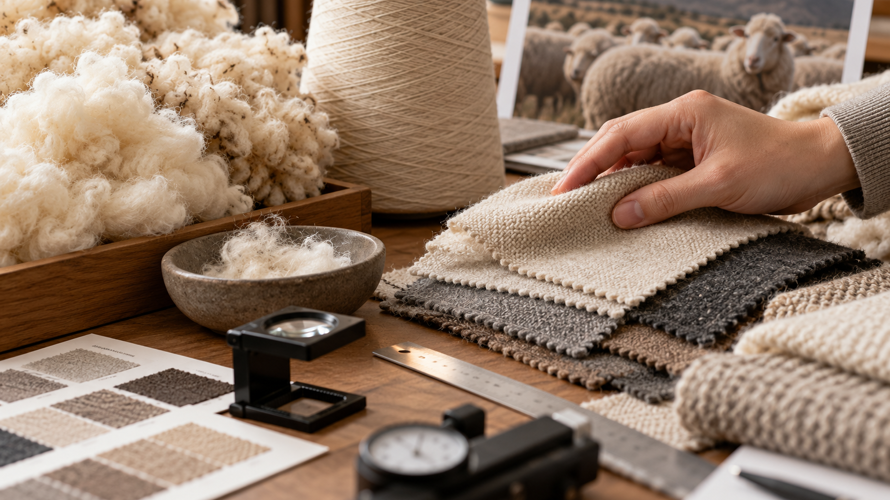
Wool is used in apparel, coats, suits, knitwear, blankets, interiors, scarves and technical products. Fine wool can suit lighter products, while dense or felted qualities suit warmth and structure.
For a scarf program, compare wool with silk, cotton or synthetic alternatives by climate, hand, weight, care and edge.
Use the fabric composition guide and the exact wool quality and finished sample to support any claims about warmth, breathability or comfort.
How Should Wool Fabric Be Specified?
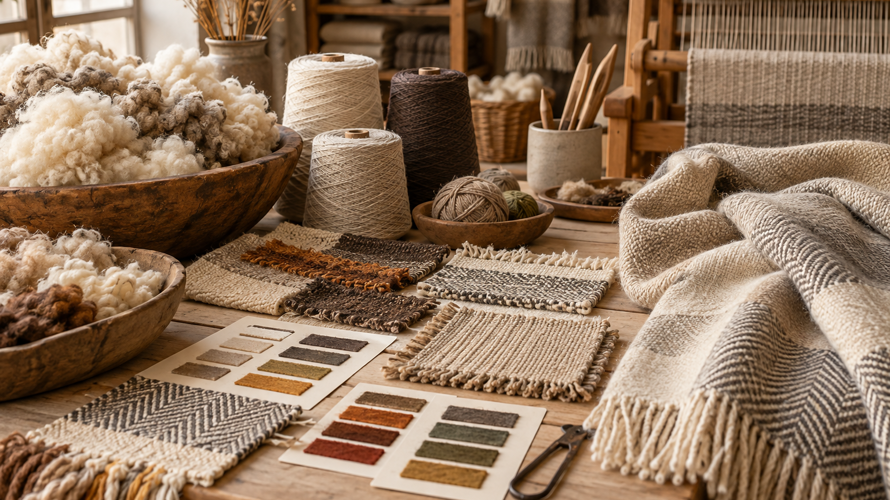
State fibre and blend, wool type, fineness where relevant, yarn, construction, weight, width, surface, finish, colour, care, pilling, shrinkage and edge requirements.
Attach a finished swatch and the finished scarf or garment sample. Any certification, origin or animal-welfare claim should be supported by the relevant documentation.
Frequently Asked Questions
What is wool?
Wool is a natural animal fibre made primarily from keratin and grown in the fleece of sheep and other animals.
What makes wool warm?
Wool’s fibre structure, crimp, fabric density and trapped air can contribute to warmth, but the result depends on the finished construction and use.
What is merino wool?
Merino is wool from Merino sheep and is commonly valued for fine fibres and soft next-to-skin performance.
Is wool breathable?
Wool can manage moisture vapour and temperature in some constructions, but breathability depends on fibre, fabric, weight and product design.
Does wool shrink?
Some wool can shrink or felt with moisture, heat and agitation. Follow the tested care route for the actual quality.
Is wool good for scarves?
It can be, especially when fineness, weight, warmth, softness, edge and care match the intended product.
What should a wool buyer request?
Request fibre and blend, fineness, construction, weight, care testing, pilling or abrasion evidence and a finished sample.
Conclusion
Wool is a fibre foundation with many possible fabric outcomes. Specify fineness, yarn, construction, weight, finish and care, then approve the hand, surface and finished product before production.
