
How to Identify Fabric Content: Labels, Tests and Buyer Checks

Carina Silk Editorial Team writes practical guides on silk fabrics, scarves and custom textile development, with a focus on materials, artwork, sampling, construction and finishing decisions.
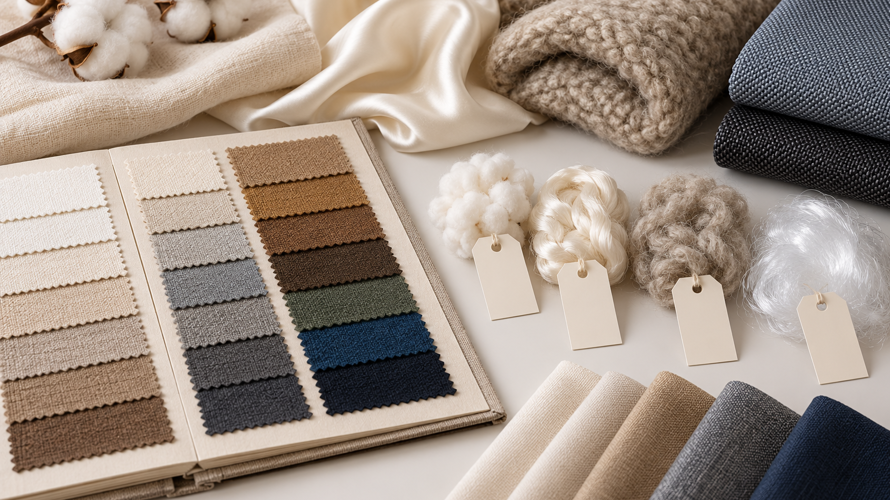
The most reliable way to identify fabric content is to start with the fibre statement, supplier specification and a representative sample. In the United States, the FTC textile labeling guidance requires covered textile products to disclose generic fibre names and percentages, but a loose or unlabelled swatch may need further verification.
Hand feel, appearance, stretch, drape and a carefully controlled burn observation can help screen a sample, but they cannot reliably prove an exact blend percentage. When the claim matters, use an appropriate laboratory or supplier test.
How Can You Identify Fabric Content?
“Fabric content” can mean fibre identity, blend percentage, yarn composition or the content of a finished product. Separate those questions from construction: fibre and fabric are different descriptions.
A smooth shiny surface does not prove silk, and a soft matte surface does not prove rayon. Compare the sample with the fabric composition guide and record what is observed versus what is documented.
A burn test may distinguish broad fibre families in some cases, but finishes, dyes and blends can confuse the result. Treat it as a screening step, not as a certificate.

What Is the Correct Fabric-Identification Workflow?
Read the label, invoice, technical sheet and supplier declaration. Check generic fibre names, percentages, trademarks, country information and whether the document refers to the same lot or finished item.
Inspect the swatch for yarn direction, weave or knit, surface, stretch, drape and finish. These observations help compare samples but do not replace composition evidence.
If uncertainty remains, isolate a representative sample and choose a suitable test method. Record the sample identity, test scope, result and any limitation before approving a claim or production lot.
What Evidence Can Identify Fabric Content?
Rank evidence by reliability and match the test to the claim.
| Direction | Textile character | Potential fit | What to confirm |
|---|---|---|---|
| Label or invoice | Supplier or legal fibre statement | Initial identity and compliance check | Same product, lot and market |
| Technical specification | Composition, yarn and construction record | Sourcing and production approval | Document scope and revision |
| Visual inspection | Surface, colour and construction clues | Screening and sample comparison | Finish can mislead |
| Hand and stretch | Tactile and mechanical clues | Early product-fit assessment | Not exact composition proof |
| Burn observation | Broad reaction of a small loose sample | Limited screening only | Safety, blends and finish limits |
| Laboratory test | Method-specific analytical result | Claim or dispute resolution | Method, sample and uncertainty |
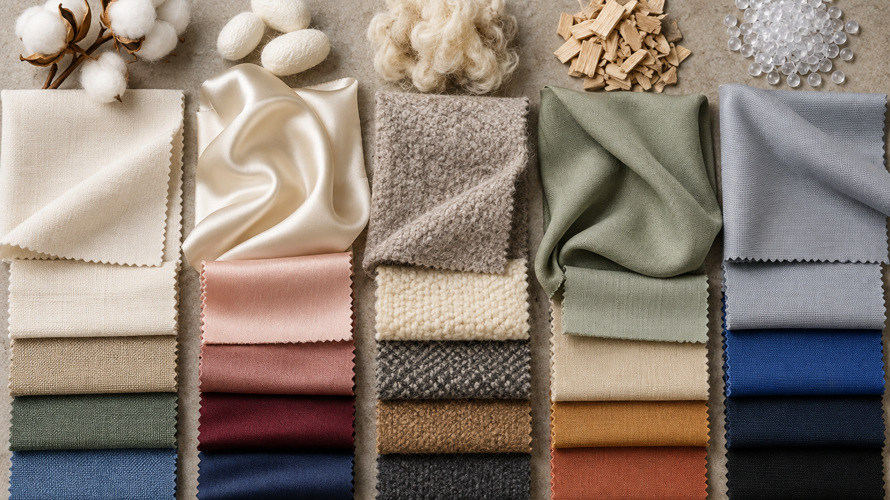
Fabric Identification vs Fabric Performance: What Is the Difference?
Identifying fibre content answers what the material is made from. It does not fully predict hand, drape, print, shrinkage or durability because construction and finishing also matter.
Compare content with fabric weight and GSM, weave, knit, width, surface and care. Two fabrics with similar content can behave differently when yarn, density or finish changes.
Use the evidence appropriate to the decision. A buyer approving a marketing claim needs stronger documentation than a designer choosing a temporary colour sample.
What Should Buyers Check When Verifying Fabric Content?
Keep the evidence chain tied to the exact sample and claim.
Product identity
Match the label, invoice, swatch, lot and finished item before comparing documents.
Generic names and percentages
Check that fibre names and blend ratios are stated clearly and consistently.
Construction
Record weave, knit, yarn, weight and finish because these can explain performance differences.
Screening observations
Use hand, drape, stretch and burn observations only as conditional clues.
Test method
Confirm the laboratory or supplier method, sample preparation, scope and uncertainty.
Claim and label
Use only wording supported by the evidence and required by the destination market.
| Check | Why it matters | Possible risk | Evidence to request |
|---|---|---|---|
| Identity | Ties proof to product | Wrong swatch or lot | Sample and lot record |
| Fibre wording | Controls label accuracy | Trade name hides generic fibre | Composition statement |
| Blend ratio | Controls claims and care | Unverified percentage | Supplier or lab result |
| Construction | Explains behaviour | Content used as full spec | Weave, knit and GSM |
| Test scope | Sets evidence limits | Overgeneralized result | Method and report |
| Destination label | Controls market compliance | Wrong wording | Approved label copy |
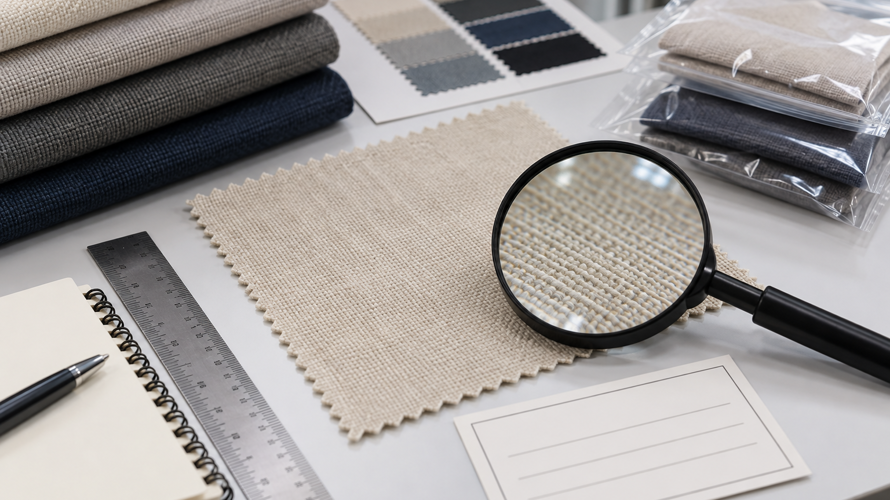
When Does Fabric Content Verification Matter?
Verification matters when a product label, fibre claim, care route, customs document, sustainability statement, customer specification or finished performance depends on the material identity.
For a custom scarf, compare the composition record with silk, rayon, polyester or blended alternatives only after the sample identity is clear.
If the content is unknown, describe the uncertainty and test the sample before making a precise claim.
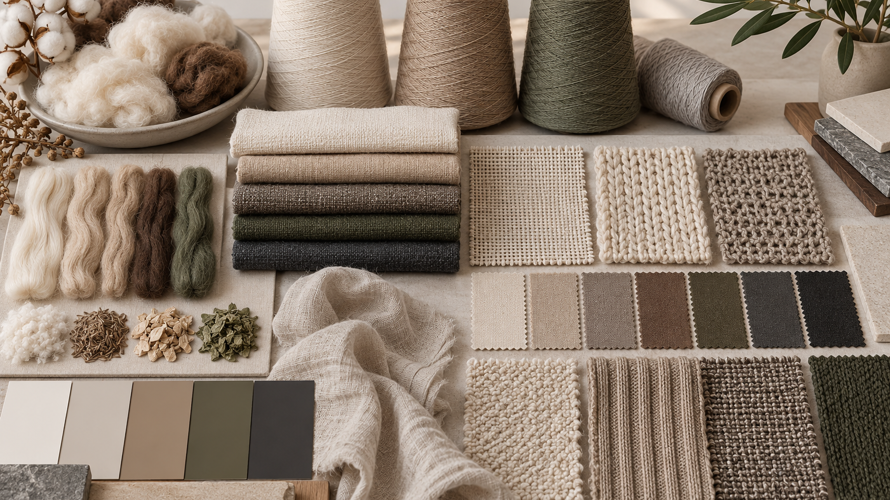
How Should Fabric Content Be Recorded?
Record generic fibre names, percentages, yarn or blend details, construction, GSM, width, finish, supplier, lot, country information, test method, care and intended market. Keep the fabric swatch attached to the record.
Separate observed characteristics from verified composition. A concise evidence log is more useful than a confident label based only on appearance.
Frequently Asked Questions
How do you identify fabric content?
Start with the label, invoice and supplier specification. Use inspection and testing to resolve uncertainty, especially for blends or important claims.
Can you identify fabric content by touch?
Touch can provide clues about hand and surface, but it cannot reliably prove fibre identity or blend percentages.
Does a burn test identify fabric?
A controlled burn observation can screen broad fibre families, but finishes and blends limit accuracy and safety must be controlled.
How can you tell if fabric is silk?
Appearance and hand are not sufficient proof. Check the composition statement and use an appropriate test if the claim matters.
What does a fibre label need to show?
Market rules vary, but covered U.S. textile products generally require generic fibre names and percentages plus other required identity information.
Why do blends need extra care?
Different fibres can change shrinkage, care, hand and performance, and a simple observation may not reveal the blend ratio.
What should a buyer request?
Request a matching composition statement, technical specification, sample identity, test evidence where needed and an approved finished sample.
Conclusion
Fabric content should be verified through a traceable evidence chain. Start with composition documentation, use observations as screening tools, and escalate to a suitable test before making a material claim.
