
Chiffon vs Silk: What Is the Difference?

Carina Silk Editorial Team writes practical guides on silk fabrics, scarves and custom textile development, with a focus on materials, artwork, sampling, construction and finishing decisions.
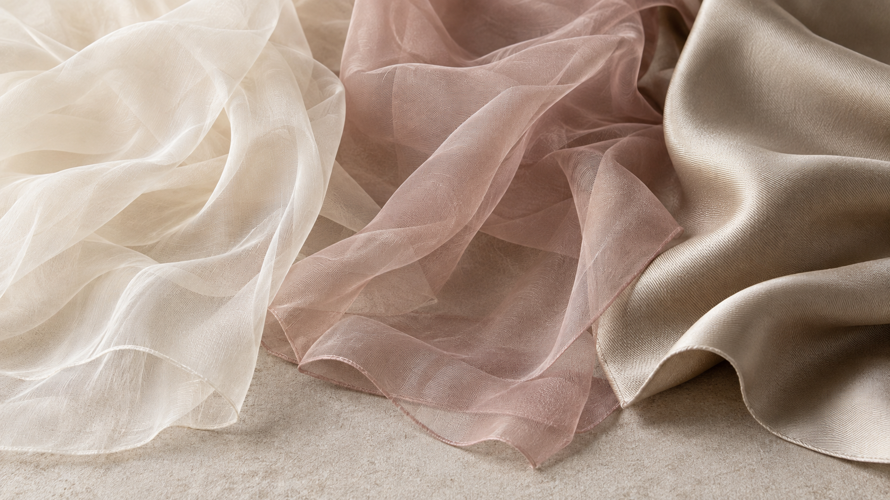
Chiffon and silk are not parallel material names. Chiffon usually describes a lightweight, sheer fabric construction or surface direction, while silk identifies a natural protein fibre. Silk chiffon is therefore possible, but chiffon can also be made from polyester, nylon, rayon or other fibres.
The right comparison is usually between silk chiffon and another chiffon, or between a silk construction and a chiffon construction. The silk guide and chiffon guide provide the category context; the finished product still needs an exact fibre and construction specification.
What Is the Difference Between Chiffon and Silk?
Silk is a fibre. Chiffon is commonly used for a fine, lightweight, sheer fabric direction made with a plain weave and fine yarns, often with a soft or slightly crepey surface. The same chiffon construction can use different fibres.
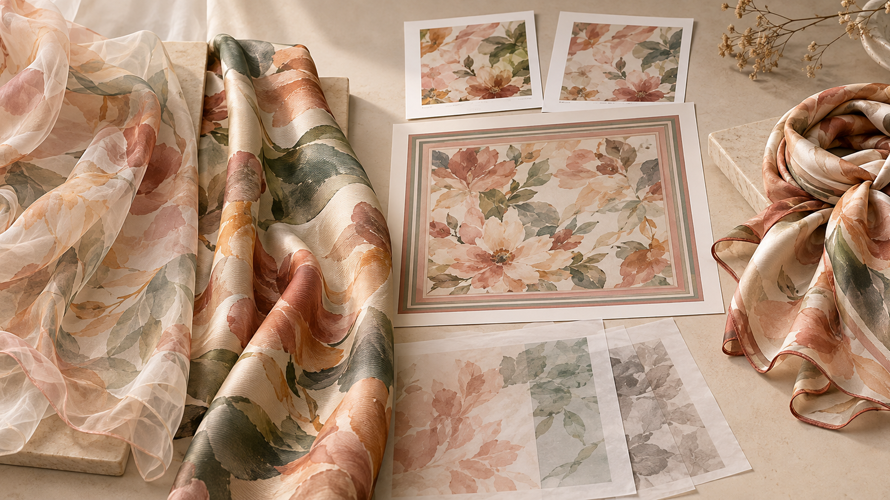
Silk chiffon may combine silk fibre with chiffon construction. Polyester chiffon may look similar at a distance but differ in hand, heat response, static, care, price and drape. A label that says “chiffon” without fibre content is incomplete for sourcing.
A silk fabric can also be satin, twill or another construction. That is why “silk vs chiffon” is better handled as a fibre-versus-construction explanation than as a simple winner comparison.
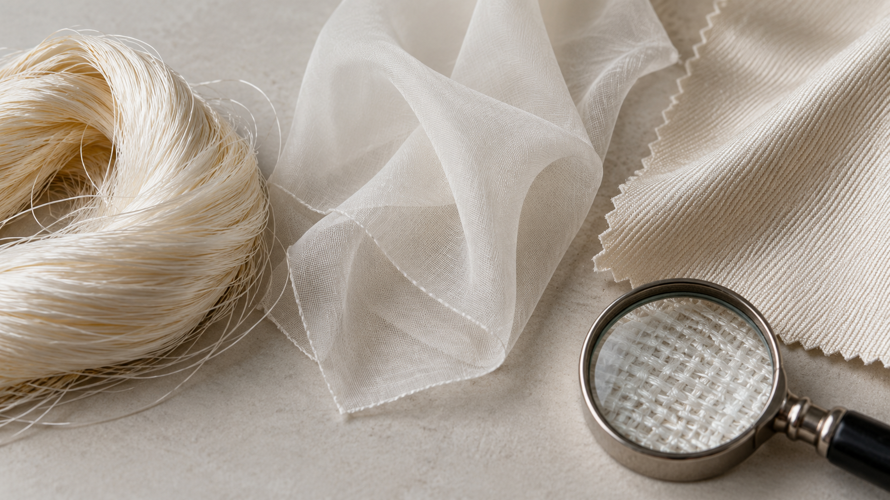
How Are Silk Chiffon and Synthetic Chiffon Made?
The fibre is formed into fine yarns and woven into a lightweight, usually open plain construction. Yarn twist, density and finishing influence the surface, transparency and hand.
Silk chiffon uses silk yarn; synthetic chiffon uses a manufactured fibre yarn. Dyeing, finishing, heat setting and any coating or print treatment further affect the final behaviour.
Because the fabric is light and often sheer, small changes in density, width, finish and edge treatment can be visible. Approve the finished quality rather than comparing fibre names in isolation.
What Are the Main Chiffon and Silk Directions?
These directions show why the fibre and construction should be written together in a product brief.
| Direction | Hand and appearance | Potential fit | What to confirm |
|---|---|---|---|
| Silk chiffon | Light, soft, sheer and fluid | Luxury scarves and overlays | Opacity, snag, edge and care |
| Polyester chiffon | Light, often consistent and easy-care oriented | Cost-sensitive or repeat programs | Static, heat and surface |
| Nylon or other synthetic chiffon | Lightweight with fibre-specific hand | Fashion and decorative products | Composition and heat response |
| Silk satin | Smooth, reflective and more fluid | Formal or luxury styling | Slip, lustre and snag risk |
| Silk twill | Defined, polished and more structured | Printed scarves and accessories | Weight, diagonal grain and print |
| Silk crepe | Textured, matte or pebbled surface | Soft drapey products | Texture, opacity and recovery |
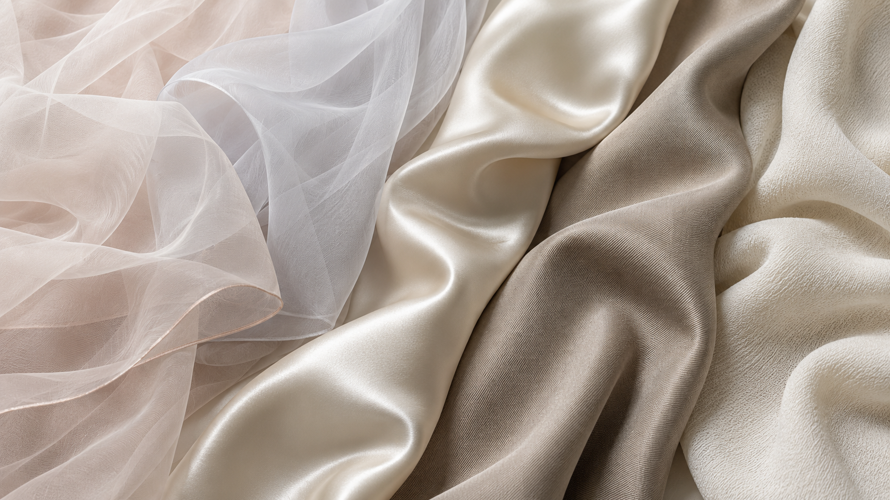
Chiffon vs Silk: Which Is Better?
There is no universal winner because the terms describe different attributes. Silk may be selected for fibre identity and a particular hand; chiffon may be selected for lightness, sheerness and fluid movement. Silk chiffon combines both directions, while synthetic chiffon may target cost, consistency or care.
Compare the actual fabric swatch for opacity, drape, edge, print response, snag risk, static, heat and care. Do not use a generic image or a fibre name as the final approval basis.
If the product needs a sharper printed surface, silk twill may be a better starting point than chiffon. If it needs airy layering, chiffon may be more suitable. The intended scarf size and finished hem are part of the decision.
What Should Buyers Check When Comparing Chiffon and Silk?
Write the comparison as a full material description: fibre, construction, weight, width, finish and finished use.
Fibre Content
Confirm silk, polyester, nylon, rayon or blend content instead of using chiffon as a fibre label.
Construction and Weight
Record plain weave, yarn, density, weight, width and any crepe or finish effect.
Opacity and Layering
Check show-through under intended lighting and with the actual number of layers used in the product.
Drape and Slip
Test how the fabric folds, moves, holds a knot and stays in position on the finished scarf.
Print and Colour
Approve colour, penetration, repeat, registration and reverse on the final base.
Edge and Care
Check rolling, fraying, snagging, hemming, washing, pressing and packing before bulk approval.
| Check | Why it matters | Possible risk | Evidence to request |
|---|---|---|---|
| Fibre | Controls identity and care | Chiffon mistaken for silk | Composition statement |
| Construction | Controls sheerness and hand | Wrong drape or body | Weave and weight data |
| Opacity | Controls coverage | Product too sheer | Light and layered test |
| Surface | Controls grip and appearance | Slip, static or snags | Wear and handling test |
| Artwork | Controls finished look | Weak or misregistered print | Strike-off |
| Edge | Controls durability | Curling or uneven hem | Finished hem sample |
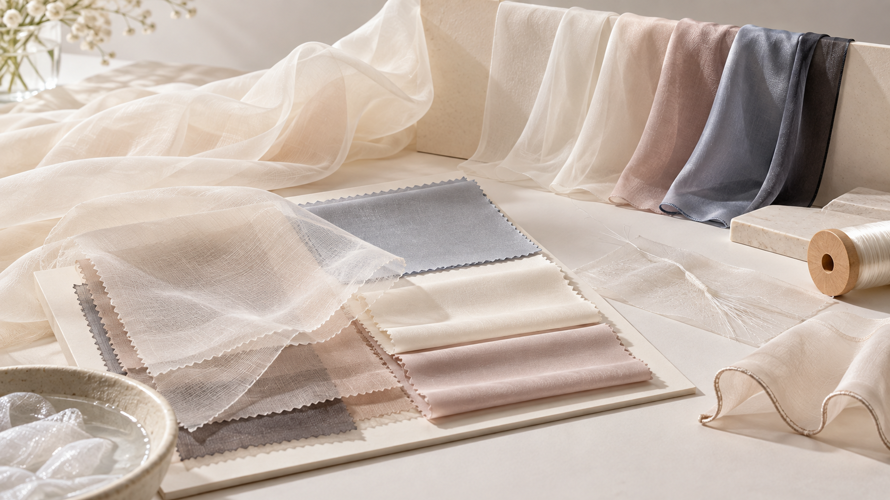
Where Are Chiffon and Silk Used?
Chiffon is used for scarves, overlays, dresses, veils, decorative panels and layered products. Silk constructions such as satin and twill are used when a different level of body, lustre, print definition or luxury hand is needed.
For a head scarf, compare head-scarf fabric choices by grip, coverage, drape, care and finished edge. A light chiffon can look elegant but may need additional layering or a different wrap method.
Select silk, chiffon or silk chiffon based on the tested product result, not on a generic category comparison.
How Should Chiffon or Silk Be Specified?
State fibre content, construction, yarn, weight, width, opacity, surface, finish, print route, colour, edge finish, care, snag tolerance and finished dimensions.
Attach a finished swatch and, for a scarf, the actual hemmed product. If the quality is silk chiffon, write both the fibre and construction so the supplier and buyer are discussing the same textile.
Frequently Asked Questions
Is chiffon made of silk?
Some chiffon is made from silk, but chiffon can also be made from polyester, nylon, rayon or other fibres. Check the composition.
Is chiffon the same as silk?
No. Silk is a fibre, while chiffon usually describes a lightweight, sheer fabric construction or surface direction.
Is silk chiffon better than polyester chiffon?
Not automatically. Silk chiffon may offer a different hand and fibre identity, while polyester chiffon may offer cost or care advantages. Compare the finished requirement.
Which is more transparent, chiffon or silk?
Transparency depends on construction, density, weight, colour and finish. A lightweight chiffon is often sheer, but silk fabrics can also range from opaque to transparent.
Can chiffon be used for scarves?
Yes. It can suit light, airy scarves, but check grip, opacity, snagging, edge treatment, print response and care on the finished item.
Does silk chiffon wrinkle?
It can crease or change appearance with handling, but the response depends on the exact construction and finish. Use a tested care route.
What should a buyer compare?
Compare fibre, construction, weight, width, opacity, drape, surface, print response, edge finish, care and the finished product sample.
Conclusion
Chiffon and silk should not be compared as if they are the same type of term. Define the fibre and construction separately, then approve opacity, drape, print, edge, care and finished dimensions on the intended product.
