What Is a Kimono? Structure, Textiles, Motifs and Buyer Checks

Carina Silk Editorial Team writes practical guides on silk fabrics, scarves and custom textile development, with a focus on materials, artwork, sampling, construction and finishing decisions.
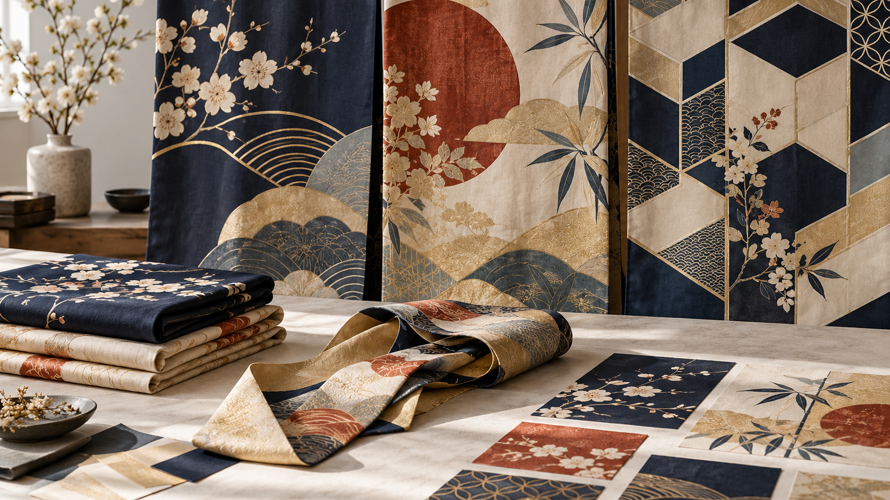
A kimono is a traditional Japanese garment with a distinctive straight-line construction, overlapping front and long sleeves. It is also a major textile and design tradition, not simply a generic word for a loose robe. The V&A kimono overview and Tokyo National Museum exhibition reference show the garment’s historical and artistic depth.
For a modern textile buyer, the important questions are structure, panel width, motif placement, fabric, finishing, cultural context and intended use. Do not treat the word kimono as evidence of one fibre, one weave or one level of authenticity.
What Is a Kimono?
Kimono is a Japanese garment form that developed from earlier robe constructions and became an important vehicle for textile decoration, dyeing, embroidery and weaving. The garment is commonly built from long straight panels with overlapping fronts and sleeves.
Historical kimono textiles may use silk, cotton, hemp, woven patterns, resist dyeing, embroidery and other techniques. A modern kimono-inspired product can use many fabrics and may adapt the pattern for contemporary fit or production.
When using the term commercially, distinguish a traditional garment reference from a fashion product inspired by its silhouette, panels or motifs. Describe the actual product and avoid unsupported claims of authenticity.

How Is a Kimono Constructed?
Traditional kimono construction is based on rectangular panels that are cut and joined in a way that preserves fabric width and allows the garment to be disassembled or adjusted. Sleeve shape, overlap, collar and sash work together as a system.
Textile decoration is often planned in relation to the panel layout rather than applied randomly. Motifs may be positioned for the back, sleeve, hem, collar or front overlap, so the artwork brief should show the pattern pieces.
For a modern product, confirm whether the construction is a traditional reference or a simplified garment. Use a fabric swatch and a full pattern sample to judge drape, seam, print scale and fabric weight.
What Textile Directions Are Used for Kimono-Inspired Products?
The product format and cultural reference should be stated before choosing the fabric direction.
| Direction | Textile character | Potential fit | What to confirm |
|---|---|---|---|
| Silk kimono textile | Fluid or structured luxury hand | Premium robes and panels | Silk type, width and care |
| Cotton kimono textile | Matte, practical and breathable hand | Casual or summer products | Weight, shrinkage and colour |
| Jacquard panel | Motif built into the weave | Decorative premium products | Reverse, floats and scale |
| Printed panel | Artwork applied to a base fabric | Contemporary collections | Registration and placement |
| Textured or crepe panel | Surface character and movement | Modern relaxed silhouettes | Texture, recovery and hem |
| Kimono-inspired robe | Adapted garment rather than traditional form | Fashion, hospitality or gifting | Pattern, fit and product wording |
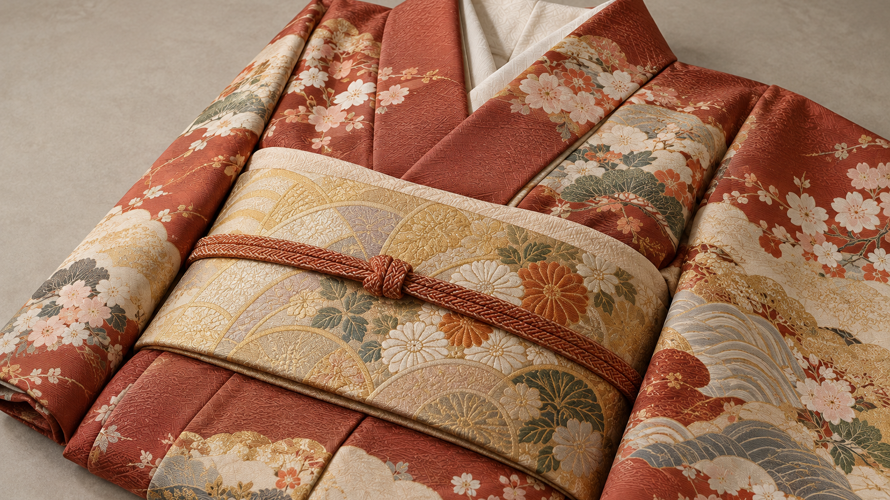
Kimono vs Kimono-Inspired Robe
A traditional kimono reference concerns a garment form, construction history and textile practice. A kimono-inspired robe may borrow straight panels, wide sleeves, an overlap or a sash while changing fit, fabric, closure, length or production method.
A silk fabric can support a luxury direction, but fibre alone does not make a garment traditional. Compare silk types by weight, weave, print response, care and width.
For B2B product development, define the cultural reference, intended market, construction, labelling, artwork and finished use before sampling.
What Should Buyers Check in a Kimono Product?
The main risks are panel placement, width yield, cultural wording and mismatch between the reference image and the finished construction.
Product Definition
State whether the product is a traditional garment reference, kimono-inspired robe, jacket, panel or accessory.
Pattern and Panel Width
Confirm pattern pieces, sleeve depth, overlap, collar, length, sash and finished dimensions.
Motif Placement
Map artwork to the panel layout and confirm direction, borders, hem crops and repeat scale.
Fabric and Weight
Record fibre, construction, weight, width, opacity, drape and care; a visual silk-like effect is not enough.
Colour and Technique
Specify print, jacquard, embroidery, resist or other decoration route and approve the actual surface.
Cultural and Label Wording
Use accurate product language and avoid implying historical authenticity, origin or craft technique without evidence.
| Check | Why it matters | Possible risk | Evidence to request |
|---|---|---|---|
| Product wording | Controls customer expectation | Inspired item sold as authentic | Approved description |
| Pattern | Controls fit and yield | Panels or sleeves mismatch | Tech pack |
| Motif layout | Controls visual hierarchy | Artwork cropped badly | Panel map |
| Fabric | Controls hand and care | Wrong drape or width | Composition and swatch |
| Decoration | Controls surface and cost | Print confused with weave | Strike-off or woven sample |
| Finished garment | Confirms real result | Flat panel misleads | Fit sample |

Where Are Kimono-Inspired Textiles Used?
Kimono-inspired products appear in fashion, resortwear, robes, hospitality uniforms, gifting, costume and interior accents. A custom silk product can use the panel logic without claiming to be a traditional kimono.
For printed panels, use a pattern and print workflow that shows sleeve, hem and overlap placement.
The strongest product briefs define the silhouette, textile, artwork, size range, cultural wording and finished sample together.

How Should a Kimono-Inspired Product Be Specified?
State product category, cultural reference, pattern pieces, finished measurements, fibre, construction, weight, width, motif placement, decoration route, colour, closures, seams, care and labelling.
Attach the artwork panel map and a finished garment or representative sample. Keep the technical description separate from any historical or cultural claim.
Frequently Asked Questions
What is a kimono?
A kimono is a traditional Japanese garment form with straight-line construction, overlapping fronts and distinctive sleeves, supported by a rich textile and design tradition.
What fabric are kimonos made from?
Historical and modern kimonos can use silk, cotton, hemp and other textiles. Fibre, weave, decoration and period vary.
Is every kimono robe authentic?
No. Many modern robes are kimono-inspired. Product wording should distinguish a traditional reference from an adapted fashion item.
What is important about kimono motif placement?
Motifs are often planned in relation to panels, sleeves, hems, collars and overlaps. The artwork should be reviewed on the actual pattern pieces.
Can silk be used for a kimono-inspired robe?
Yes. Select the silk construction, weight, width, print route and care according to the intended product.
What is the difference between a kimono and a robe?
Kimono refers to a specific Japanese garment tradition and construction, while robe is a broader product category.
What should a buyer request?
Request the product definition, pattern, panel map, fabric specification, decoration route, approved wording and finished sample.
Conclusion
Kimono is both a garment form and a significant textile tradition. For modern sourcing, define the cultural reference carefully, then control panels, motifs, fabric, finishing, wording and the finished product.