
What Is Microfiber Fabric? Fibre Size, Types, Uses and Buyer Checks

Carina Silk Editorial Team writes practical guides on silk fabrics, scarves and custom textile development, with a focus on materials, artwork, sampling, construction and finishing decisions.
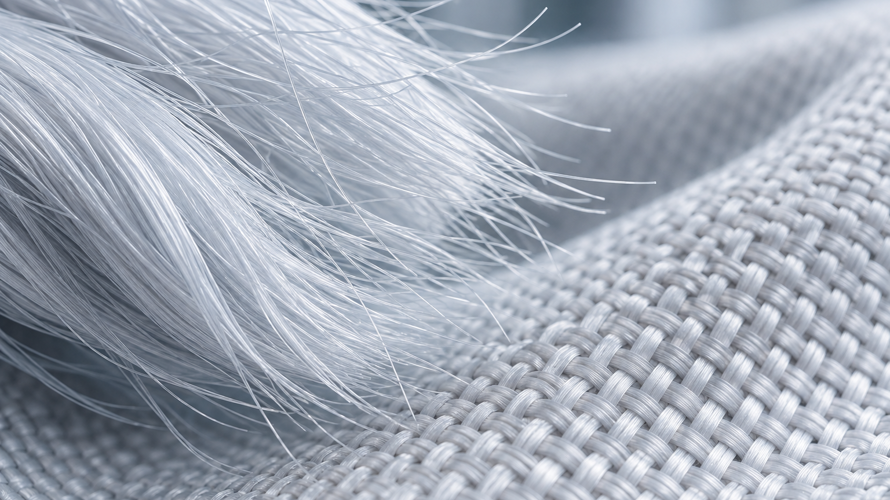
Microfiber is a very fine synthetic-fibre direction used to make woven, knitted and nonwoven textiles. A technical resource defines microfiber using a very small linear density or diameter, but the exact product still depends on polymer, yarn construction, fabric density and finishing.
The term is not a single fabric outcome. A microfiber cloth, apparel lining, upholstery fabric and printed accessory can use different polymers, structures and surface treatments, so the buyer needs more than the word microfiber.
What Is Microfiber Fabric?
Microfiber yarns are commonly made from polyester, polyamide or a combination of synthetic fibres. The fine filaments can create a soft, dense or smooth surface, but those effects depend on how the yarn is formed and how the fabric is finished.
A microfiber fabric may be woven, knitted, brushed, split, coated or laminated. Compare the fabric with a verified synthetic-fabric guide and record the actual generic fibre name rather than using “microfiber” as the composition.
For a commercial label, use the fabric composition guide and any applicable test evidence. Fibre fineness is a technical attribute, not a substitute for a fibre-content statement.
How Is Microfiber Turned into Fabric?
Synthetic polymer is extruded into very fine filaments or a multi-component yarn. A split yarn can be processed to create finer strands and channels, while other yarns remain continuous or blended.
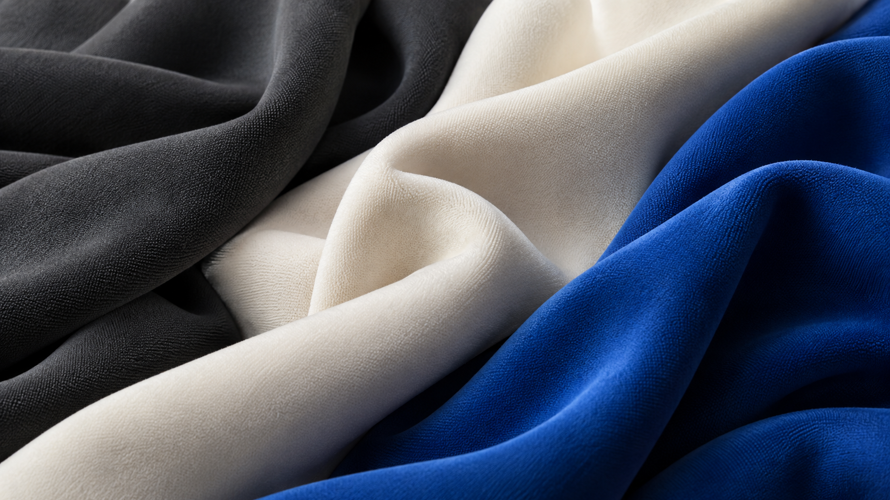
The yarn is woven, knitted or formed into a nonwoven structure, then dyed, printed, brushed, calendered, coated or otherwise finished. These steps change softness, absorbency, lustre, grip and durability.
Approve the final performance on a finished swatch after the intended finish. A yarn specification cannot by itself predict the hand or cleaning behaviour of the finished fabric.
What Are the Main Microfiber Fabric Types?
Classify microfiber by polymer, yarn construction, fabric structure and finish.
| Direction | Textile character | Potential fit | What to confirm |
|---|---|---|---|
| Polyester microfiber | Fine polyester filaments with a smooth or dense surface | Apparel, linings, cleaning and home textiles | Filament size, density and finish |
| Polyamide microfiber | Fine nylon-family filaments with a different hand and response | Soft products and technical textiles | Polymer, blend and care |
| Split microfiber | Multi-component yarn separated into finer strands | Cleaning, dense surfaces and absorbent structures | Split quality and surface integrity |
| Woven microfiber | Warp and weft structure with controlled stability | Linings, cloths and printed panels | Weave, density and width |
| Knitted microfiber | Looped structure with stretch or recovery potential | Apparel and close-fitting products | Knit construction and recovery |
| Finished microfiber | Brushed, coated or treated surface | Specific hand or functional applications | Finish durability and test method |

Microfiber vs Polyester: What Is the Difference?
Polyester is a generic synthetic fibre family, while microfiber describes a fineness direction. A polyester fabric can be microfiber, but not every polyester fabric is microfiber.
Compare a microfiber quality with polyester fabric by filament fineness, yarn, density, hand, static, absorbency, print response and care. “Soft” is not enough to identify the construction.
For a custom textile, define the customer-facing benefit and the evidence that supports it. Avoid promising universal absorbency, antimicrobial behaviour or durability without a product-specific test.
What Should Buyers Check in Microfiber Fabric?
Microfiber approval needs a technical identity check and a finished-use test.
Generic fibre and fineness
Confirm polyester, polyamide or blend content and the supplier definition of microfiber.
Yarn construction
Record filament, split, spun, textured or multi-component yarn details.
Fabric structure
Identify woven, knitted or nonwoven construction, density, width and weight.
Surface and hand
Compare softness, lustre, grip, lint, static, pilling and uniformity.
Function and testing
Use a defined absorbency, filtration, cleaning, abrasion or recovery test when the claim matters.
Care and finished item
Confirm washing, drying, heat, print, edge and finished-product behaviour.
| Check | Why it matters | Possible risk | Evidence to request |
|---|---|---|---|
| Composition | Controls label and claim | Microfiber hides the generic fibre | Fibre statement |
| Fineness | Controls technical identity | Different yarn sold as same quality | Yarn or denier data |
| Structure | Controls hand and stability | Wrong product behaviour | Construction record |
| Surface | Controls user experience | Pills, lint or static | Finished swatch |
| Function | Controls performance claim | Unrepeatable promise | Defined test |
| Care | Controls service life | Finish damage | Care trial |

Where Is Microfiber Fabric Used?
Microfiber is used in cleaning textiles, apparel, linings, upholstery, bedding, sportswear and technical products. The right quality depends on the required hand, density, absorbency, recovery and care route.
For a printed accessory, compare microfiber with polyester satin or a natural-fibre base by drape, opacity, surface reflection, print definition and edge behaviour.
Choose a specific microfiber construction when the product needs a defined surface or function, not simply because the label sounds technical.
How Should Microfiber Fabric Be Specified?
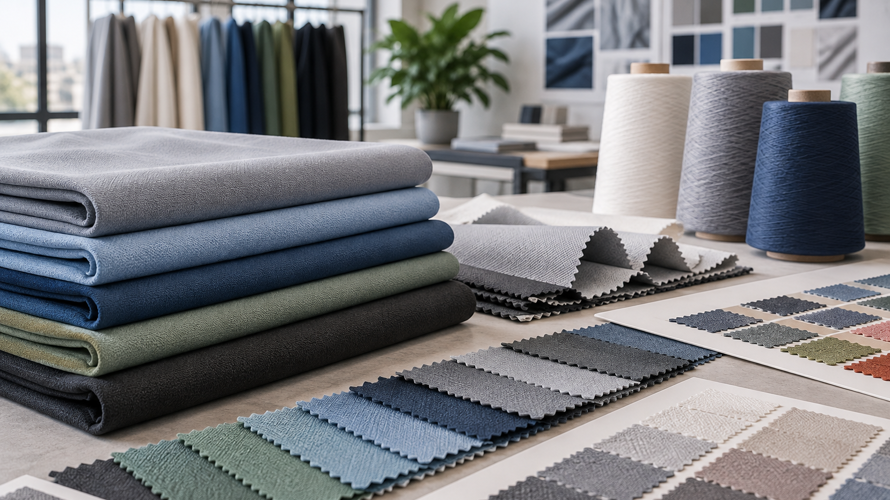
State generic fibre content, fineness or yarn construction, weave or knit, GSM, width, finish, colour or print route, target function, test method, care and end use. Use the fabric-weight guide for weight comparisons.
Attach a fabric swatch and finished reference. If the product claim concerns absorbency, cleaning or abrasion, define the test conditions and acceptance range.
Frequently Asked Questions
What is microfiber fabric?
Microfiber fabric is made with very fine synthetic fibres or filaments and may be woven, knitted or nonwoven. The final result depends on yarn, structure and finish.
What is microfiber made of?
Common microfiber products use polyester, polyamide or a blend, but the exact composition should be confirmed on the supplier specification.
Is microfiber always polyester?
No. Polyester is common, but polyamide and blended microfiber qualities also exist.
Is microfiber a fabric or a fibre?
Microfiber primarily describes a fineness direction. The finished textile still needs a fibre, yarn, construction and finish description.
Is microfiber breathable?
Breathability depends on density, structure, coating and product design, so test the finished fabric rather than relying on the name.
Can microfiber be printed?
Yes, but the print route, surface, colour, penetration and care response should be approved on the actual quality.
What should a microfiber buyer request?
Request generic fibre content, fineness, yarn and construction data, weight, width, finish, testing, care and a finished sample.
Conclusion
Microfiber is a fine-fibre direction, not one universal fabric. Specify composition, fineness, yarn, construction, surface, function, care and finished-product evidence before approval.
