
What Is Polyester Fabric? Properties, Types and Buyer Checks

Carina Silk Editorial Team writes practical guides on silk fabrics, scarves and custom textile development, with a focus on materials, artwork, sampling, construction and finishing decisions.
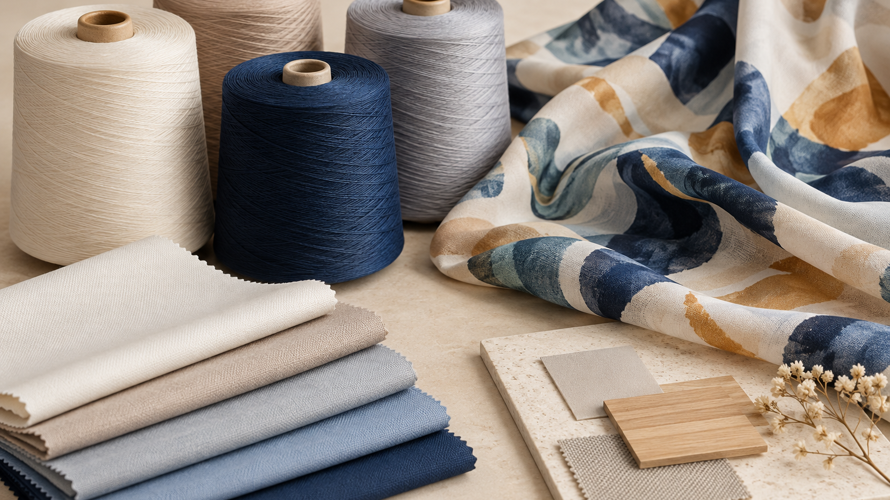
Polyester is a manufactured synthetic fibre used in filament and staple yarns, woven and knitted fabrics, linings, uniforms, scarves and technical products. A textile reference from University of Georgia textile basics places polyester in the chemical-source manmade fibre group.
The fibre name is only the starting point. Yarn form, construction, weight, finish, dye route and end use determine whether a polyester quality feels smooth, matte, crisp, soft, brushed, sheer or structured.
What Is Polyester?
Polyester is a polymer-based manufactured fibre. It can be produced as continuous filament, cut into staple fibre, spun into yarn, textured, blended or engineered for particular fabric structures.
Polyester is not one fabric. Polyester satin and a matte plain weave may share a fibre family while differing in shine, grip, drape, care and print response.
For a label or product brief, state polyester content with the fabric composition guide and then describe the actual construction and finish.
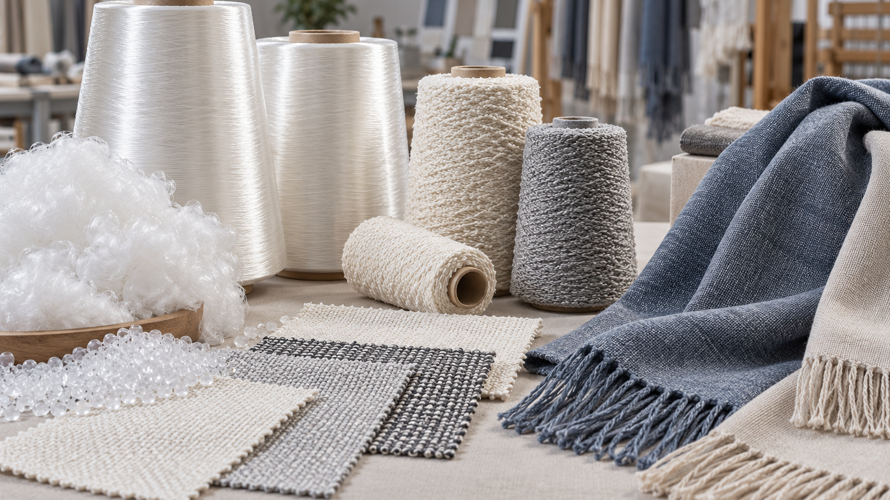
How Is Polyester Turned into Fabric?
Polymer is formed into filaments or staple fibre, then converted into yarn. Filament yarn can be smooth or textured; staple polyester is spun into a yarn with a different surface and hand.
The yarn is woven or knitted, then dyed, printed, heat-set, brushed, coated or otherwise finished. Heat can be useful for dimensional control but can also affect hand, gloss and care limits.
For a custom scarf, compare the base on a finished swatch after the intended print and hem route. Do not use “easy care” as a substitute for a defined test.
What Are the Main Polyester Fabric Types?
Classify the quality by yarn, construction and surface rather than by the word polyester alone.
| Direction | Textile character | Potential fit | What to confirm |
|---|---|---|---|
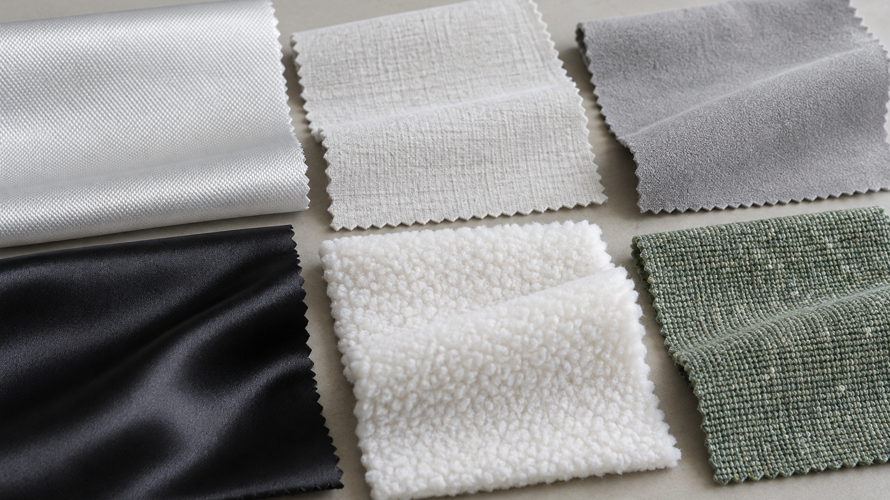
| Filament polyester | Smooth continuous yarn surface | Scarves, linings and polished products | Filament size, lustre and grip |
| Spun polyester | Staple-fibre yarn with a fuller hand | Matte apparel and practical fabrics | Count, hairiness and pilling |
| Microfibre polyester | Very fine filaments or yarns | Soft, dense or lightweight products | Density, finish and hand |
| Polyester satin | Smooth reflective face | Formal accessories and fashion | Weave, slip and heat sensitivity |
| Polyester fleece | Raised brushed or napped surface | Warm accessories and layers | Pile, weight and pilling |
| Recycled polyester | Polyester made with a stated recycled input | Claim-led programs | Feedstock and certification evidence |
Polyester vs Natural and Regenerated Fibres
Polyester may offer repeatability, abrasion resistance, colour consistency or easier care, while natural and regenerated fibres can offer different hand, moisture and drape characteristics. The finished construction matters as much as the fibre category.
Compare polyester with silk, rayon or modal using the same sample size, lighting and care route. A silk-like appearance does not prove silk composition.
Avoid universal claims about breathability, sustainability or durability. Define the actual fabric, use and test method before making a product decision.
What Should Buyers Check in Polyester Fabric?
A polyester approval should control material identity and the finished surface together.
Composition and Claim
Confirm polyester percentage, blend components and any recycled-content or certification wording.
Yarn and Construction
Record filament or staple form, count, weave or knit, density, width and weight.
Hand and Surface
Compare softness, lustre, grip, drape, static and surface uniformity in the intended product.
Heat and Care
Test washing, drying, pressing, heat exposure, shrinkage, colourfastness and finish stability.
Print and Colour
Approve the dye or print route, penetration, reverse, registration, shade and lot tolerance.
Finished Product
Inspect the actual cut, hem, seam, packaging and wearing result before bulk approval.
| Check | Why it matters | Possible risk | Evidence to request |
|---|---|---|---|
| Composition | Controls label and claims | Blend confusion | Composition statement |
| Yarn | Controls hand and surface | Unexpected shine or fuzz | Yarn details |
| Heat | Controls care and processing | Finish damage | Heat and care test |
| Colour | Controls repeatability | Lot variation | Colour standard |
| Controls artwork result | Poor penetration or registration | Strike-off | |
| Finished sample | Confirms real use | Bulk differs | Approved product |

Where Is Polyester Used?
Polyester is used in scarves, uniforms, apparel, linings, sportswear, fleece, home textiles and technical fabrics. The correct quality depends on the required hand, care, appearance and service conditions.
For a printed accessory, compare polyester with silk twill or satin by grip, drape, opacity, print definition and care rather than by price alone.
A restrained product brief should identify what polyester is expected to do and what evidence will confirm it.
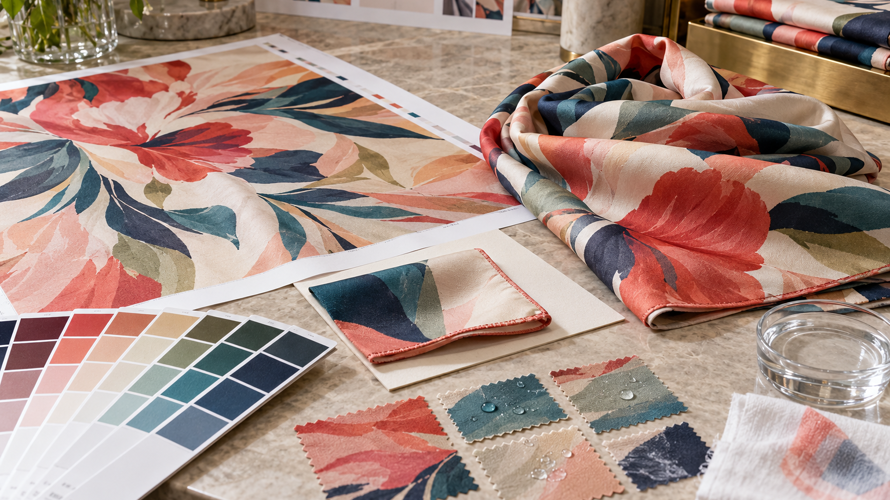
How Should Polyester Fabric Be Specified?
State fibre and blend percentage, yarn form, construction, weight, width, surface, colour or print route, heat limits, care, dimensional tolerance and finished use.
Attach a physical fabric swatch and a finished product sample. If recycled content or performance is important, attach the claim-specific documentation.
Frequently Asked Questions
What is polyester?
Polyester is a manufactured synthetic fibre that can be made into filament or staple yarn and then woven, knitted or finished into many fabrics.
Is polyester a synthetic fabric?
Polyester is a synthetic fibre. The final fabric may be woven, knitted, brushed, satin, fleece or another construction.
Is polyester breathable?
Breathability depends on yarn, construction, density, finish and product design, so the finished fabric should be tested rather than judged from fibre name alone.
Is polyester durable?
Polyester can offer useful abrasion and wash performance, but durability depends on the exact fabric, finish and end use.
Is polyester good for scarves?
It can be suitable when hand, drape, print, colour, care and finished appearance meet the brief.
Does polyester shrink?
Some polyester fabrics can change under heat or processing. Follow the tested care route and agreed dimensional tolerance.
What should a polyester buyer request?
Request composition, yarn, construction, weight, width, finish, care, colour or print records and a finished reference sample.
Conclusion
Polyester is a broad synthetic fibre direction, not a single fabric outcome. Specify the yarn, construction, surface, care, claims and finished-product acceptance criteria before approving a quality.
