
What Is Textile? Meaning, Types and Buyer Checks

Carina Silk Editorial Team writes practical guides on silk fabrics, scarves and custom textile development, with a focus on materials, artwork, sampling, construction and finishing decisions.
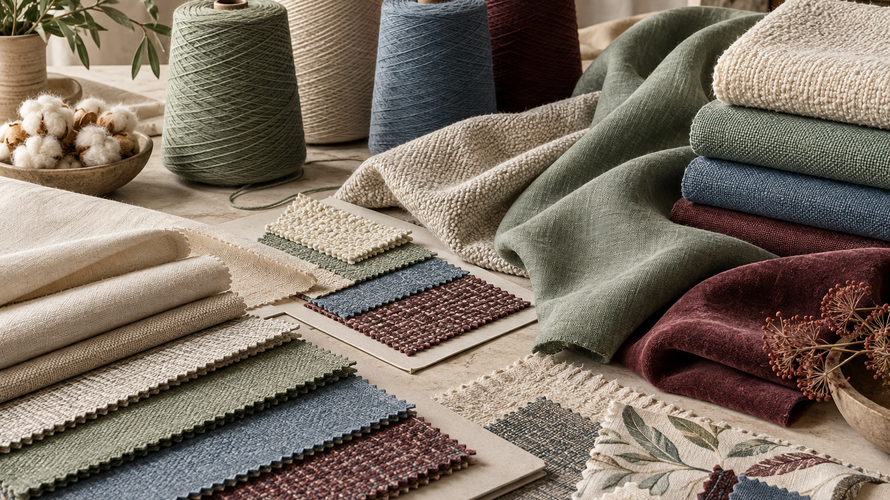
Textile is a broad term for materials and products made from fibres, yarns or fabric through processes such as spinning, weaving, knitting, bonding, dyeing, printing and finishing.
A textile is not automatically one fibre or one construction. A useful sourcing brief moves from material identity to yarn, fabric structure, finish and the requirements of the finished product.
What Is a Textile?
Textile is an umbrella term that can include fibres, yarns, woven fabric, knitted fabric and finished textile products. The exact legal or commercial definition can vary by market, but the practical hierarchy remains useful for specification.
A woven fabric is one type of textile structure. Knits, nonwovens, lace, ropes, threads, finished scarves and other textile products may belong to the wider textile category without sharing the same construction.
The word textile therefore describes a material or product family, not a promise about softness, quality, sustainability or performance. Those claims need their own evidence.
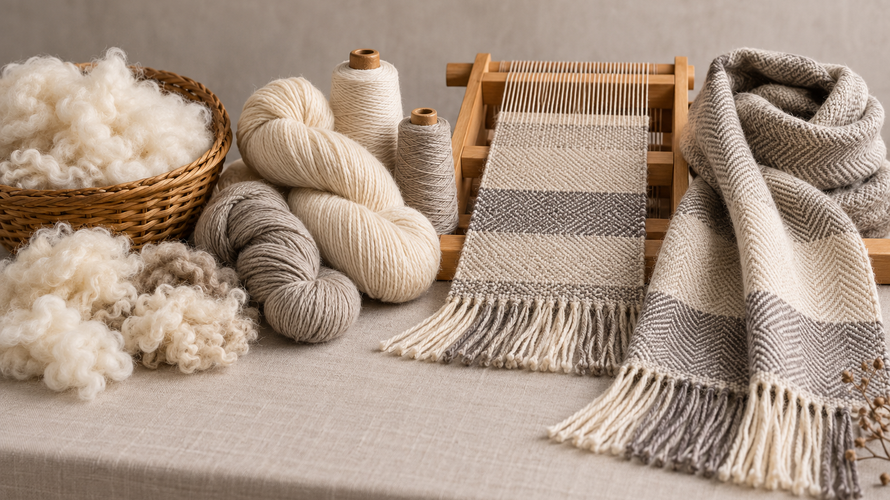
How Do Fibres Become Textile Products?
Natural, regenerated or synthetic fibres are prepared and may be spun into yarn. Filaments can remain continuous or be processed into yarns with different size, twist and structure.
Yarns are woven, knitted, bonded or otherwise formed into a textile surface. Dyeing, printing, coating, brushing, calendaring and other finishing can change the appearance and behaviour.
The textile is then cut, sewn, hemmed, packed or assembled into the finished product. Buyers should approve the product at the stage where its intended use can actually be judged.
What Are the Main Types of Textile Materials?
The material family and the construction family are separate descriptions. A silk textile can be satin or twill; a polyester textile can be woven, knitted or printed.
| Textile direction | Material or structure | Common fit | What to confirm |
|---|---|---|---|
| Natural fibre textile | Cotton, silk, wool, linen and others | Apparel, scarves and home goods | Fibre content and care |
| Regenerated cellulosic textile | Viscose, modal, lyocell and acetate | Soft apparel and linings | Process, blend and shrinkage |
| Synthetic textile | Polyester, acrylic, polyamide and elastane | Performance, apparel and accessories | Polymer, heat and recovery |
| Woven textile | Warp and weft interlaced | Stable panels and printed cloth | Construction, width and skew |
| Knitted textile | Yarn loops interconnected | Stretch and close-fit products | Gauge, stretch and recovery |
| Nonwoven textile | Fibres bonded or entangled | Technical or disposable products | Bonding, strength and use limits |

Textile vs Fibre, Yarn and Fabric
Fibre is the basic material unit. Yarn is a strand made from fibres or filaments. Fabric is a surface made by weaving, knitting, bonding or another process. Textile can refer to any of these stages or to the finished product, depending on context.
The synthetic fabric guide and types of silk fabric guide show why a material name and a construction name should be written together.
For a printed product, distinguish surface artwork from woven or Jacquard construction before setting the quality requirements.
What Should Textile Buyers Check?
Use a hierarchy that starts with composition and ends with the finished item. This prevents a broad word such as “textile” from hiding important technical differences.
Material Identity
Confirm fibre or material family, blend percentage, recycled or certified claim and the wording required for the market.
Yarn and Construction
Record filament or staple yarn, size, twist, weave, knit, nonwoven or bonded structure and density.
Weight, Width and Coverage
Check weight, thickness, usable width, opacity, stretch, recovery and dimensional tolerances on the finished quality.
Colour and Surface
Approve shade, artwork, print or dye route, face, reverse, lustre, texture and finish under final lighting.
Care and Testing
Confirm care route, shrinkage, skew, colourfastness, abrasion, tear, seam and other tests relevant to the product.
Finished Product Fit
Review cutting, sewing, hemming, packaging, labelling and the actual use case before bulk production.
| Stage | Why it matters | Possible risk | Evidence to request |
|---|---|---|---|
| Material | Defines composition and claims | Wrong label or expectation | Fibre and certification documents |
| Yarn | Sets body and surface | Unexpected hand or strength | Yarn specification |
| Construction | Controls structure and movement | Wrong stretch or coverage | Weave, knit or bond detail |
| Finish | Changes appearance and care | Shade or hand shift | Finish record and sample |
| Testing | Confirms intended performance | Failure in use or care | Relevant test results |
| Finished item | Protects commercial usability | Fit, edge or packing issue | Production-scale sample |

What Are Textiles Used For?
Textiles are used in clothing, scarves, accessories, home furnishings, technical products, packaging, interiors and many other applications. The fabric swatch workflow helps turn a broad material request into an approved quality.
Choose by the finished use rather than by a broad category alone. A textile for a printed scarf has different requirements from one for upholstery or a technical application.
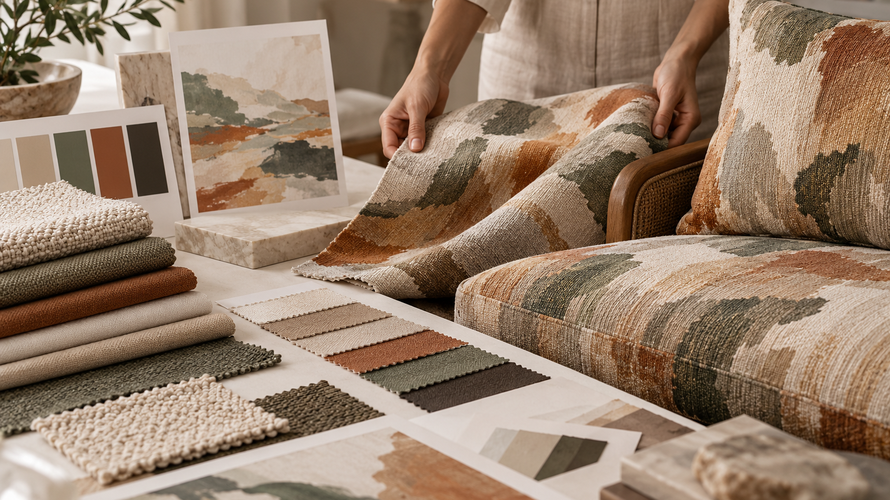
How Should a Textile Specification Be Written?
State the material family, fibre percentage, yarn, construction, weight, width, finish, colour, artwork, care, testing, tolerances and finished-product requirements.
For a woven product, define warp and weft and grain. For silk, add the exact silk construction rather than writing only “silk textile.”
Frequently Asked Questions
What is a textile?
Textile is a broad term for fibre, yarn, fabric or finished products made through textile processes such as spinning, weaving, knitting, bonding, dyeing and finishing.
Is textile the same as fabric?
Fabric is one category within textiles. Textile can describe a wider range of materials, structures and finished products.
What are the main textile material families?
Common families include natural fibres, regenerated cellulosic fibres, synthetic fibres and structures such as woven, knitted and nonwoven textiles.
Is silk a textile?
Yes. Silk fibre, silk yarn, silk fabric and finished silk products are all textile materials or products, depending on the stage being described.
How do buyers choose a textile?
Start with the finished use, then define material, yarn, construction, weight, width, finish, colour, care and test requirements before approving a sample.
What is the difference between textile and fibre?
Fibre is a basic material unit; textile is a broader term that can include fibres, yarns, fabrics and finished textile products.
What should a textile supplier provide?
Request composition, construction, measurements, colour or artwork data, finish, care, testing, tolerances and an approved finished sample.
Conclusion
Textile is an umbrella term, not a complete specification. Move from fibre to yarn, construction, finish and finished-product requirements, then approve the actual sample and evidence needed for the intended market.
