
What Is Yarn? Types, Structure and Fabric Buyer Checks

Carina Silk Editorial Team writes practical guides on silk fabrics, scarves and custom textile development, with a focus on materials, artwork, sampling, construction and finishing decisions.

Yarn is a continuous length of textile material made from fibres, filaments or a combination of components. It is the link between a fibre and a fabric construction. Yarn structure can change surface, strength, lustre, drape, stretch, pilling and print response even when the fibre name stays the same.
The fiber-versus-fabric explanation separates the material levels; this guide focuses on the yarn stage that turns fibre into a usable construction input.
What Is Yarn?
Yarn is an assemblage of textile fibres or continuous filaments arranged and held together so it can be woven, knitted, sewn or otherwise used in a textile structure.
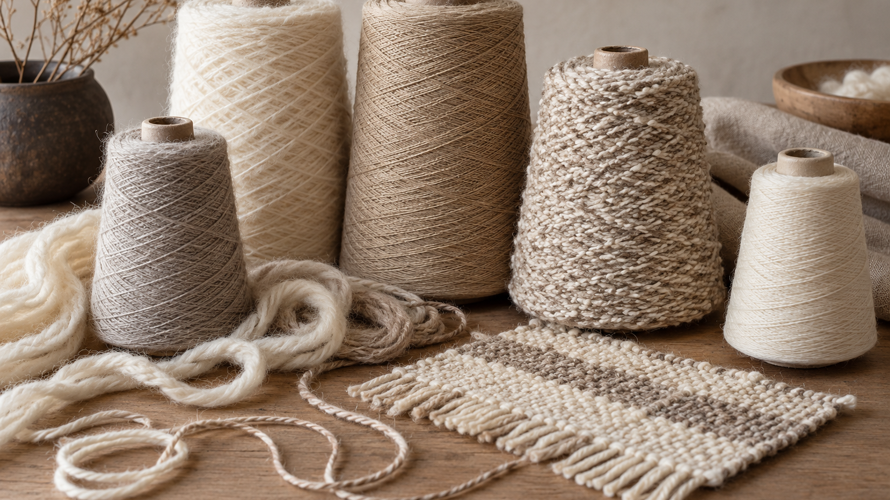
Spun yarn is made by assembling and twisting staple fibres. Filament yarn uses continuous filaments, while textured or plied yarns add volume, stretch, strength or surface effect.
Count, twist, ply, hairiness, evenness and fibre length all influence the finished fabric. A yarn label without a construction and test context is not a complete fabric specification.
How Is Yarn Made?
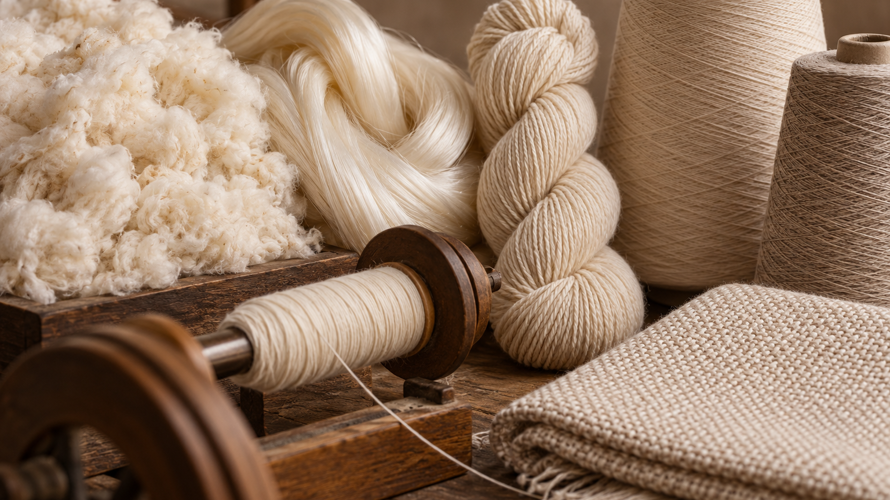
Staple fibres are opened, aligned and twisted into a coherent strand. Filaments may be combined, twisted, texturized or cut before further processing.
Twist helps hold fibres together and controls compactness, lustre, softness and torque. Ply combines multiple yarns, while texturing can add bulk, stretch or a different surface.
The yarn is then used in a structure such as woven fabric or knit. Dyeing may happen before yarn formation, at yarn stage or after fabric formation, producing different colour and repeat effects.
What Are the Main Types of Yarn?
Describe yarn by material form and construction so the fabric outcome can be predicted more carefully.
| Yarn type | How it is formed | Potential effect | What to confirm |
|---|---|---|---|
| Spun yarn | Staple fibres twisted together | Matte, soft or textured hand | Fibre length, count and hairiness |
| Filament yarn | Continuous filaments combined | Smooth, lustrous and even surface | Filament size and twist |
| Monofilament | One continuous filament | Clear or firm effect | Diameter and stiffness |
| Multifilament | Many continuous filaments together | Smooth drape and lustre | Filament count and finish |
| Ply yarn | Two or more yarns combined | Added balance or strength | Ply and twist direction |
| Textured or novelty yarn | Mechanical or decorative effect | Bulk, stretch or irregular surface | Texture stability and care |
Yarn vs Thread vs Fibre
A fibre is the material unit, yarn is a larger textile strand, and thread is a yarn or yarn combination prepared for sewing or another specific use. The terms can overlap in casual language but should be separated in a technical pack.
A silk fabric may use spun or filament yarn depending on the construction. A momme specification controls a silk weight convention, but yarn and weave still determine much of the hand.
For printed fabrics, yarn affects surface uniformity, colour absorption and the sharpness of small details. Approve the finished cloth rather than inferring performance from yarn type alone.
What Should Buyers Check About Yarn?
Yarn is often invisible in a finished fabric, but it is a major source of variation between suppliers and lots.
Fibre and Form
Confirm fibre content, staple or filament form, blend ratio and whether the yarn contains a core or special component.
Count and Diameter
Record the agreed yarn count or size and relate it to the fabric weight and construction.
Twist and Ply
Specify twist direction, amount, ply and balance when they affect surface, torque or print.
Evenness and Hairiness
Check visual uniformity, slubs, neps, fuzz, weak places and pilling risk for the intended fabric.
Colour and Dye Route
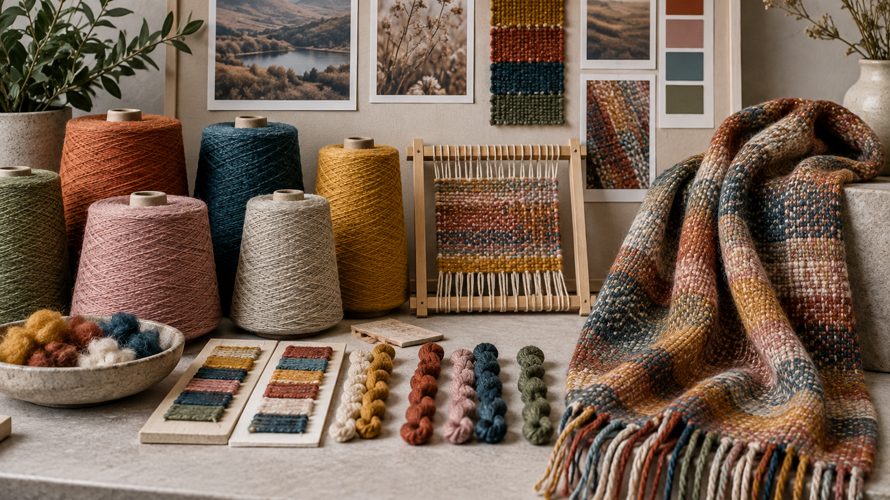
Confirm whether yarn is dyed, piece dyed or printed and check repeat, shade and colourfastness.
Finished Fabric
Approve hand, drape, strength, width and care on the final fabric because processing can change yarn behaviour.
| Check | Why it matters | Possible risk | Evidence to request |
|---|---|---|---|
| Fibre | Controls identity | Wrong composition claim | Yarn specification |
| Count | Controls cover and hand | Unexpected weight | Count record |
| Twist and ply | Controls surface and torque | Skew or harsh hand | Twist data |
| Evenness | Controls appearance | Streaks or weak spots | Yarn inspection |
| Colour | Controls repeat and shade | Lot variation | Yarn-dye record |
| Fabric sample | Confirms actual result | Yarn does not predict finished hand | Approved fabric |

Why Does Yarn Matter in Printed Scarves?
Yarn affects how a scarf accepts colour and how its surface reflects light. Compare a smooth filament base with a spun or textured quality before selecting a print route.
Yarn size and twist can change border sharpness, show-through, drape and the visual scale of a repeat.
A finished swatch remains the most useful approval reference because it captures yarn, construction and finishing together.
How Should Yarn Be Specified?
State fibre, staple or filament form, blend ratio, count or size, twist, ply, texture, colour route, strength requirement, construction, weight and finished use.
Attach yarn or fabric references and define the inspection stage. If a yarn property is critical, include the test method and tolerance rather than a descriptive adjective alone.
Frequently Asked Questions
What is yarn?
Yarn is a continuous textile strand made from fibres, filaments or combined components for weaving, knitting, sewing or other textile use.
What is the difference between spun and filament yarn?
Spun yarn is made from staple fibres twisted together; filament yarn uses continuous filaments, which can create a smoother and more even surface.
What does yarn twist do?
Twist holds fibres together and influences compactness, strength, lustre, softness, torque and surface character.
What is ply yarn?
Ply yarn combines two or more yarns to create a balanced, stronger or differently textured strand.
Does yarn affect fabric quality?
Yes. Yarn affects hand, drape, strength, pilling, lustre, print response and appearance, alongside construction and finishing.
What yarn is used for silk fabric?
Silk fabric can use filament or spun silk yarn depending on the construction and intended hand.
What should a buyer request?
Request fibre, form, count, twist, ply, texture, colour route, tolerance and an approved finished fabric sample.
Conclusion
Yarn is the structural link between fibre and fabric. Specify its material form, size, twist, ply and finish when those properties affect the finished textile, then approve the result on the actual fabric.
