
What Is Jersey Fabric? Knit Structure, Types, Uses and Buyer Checks

Carina Silk Editorial Team writes practical guides on silk fabrics, scarves and custom textile development, with a focus on materials, artwork, sampling, construction and finishing decisions.
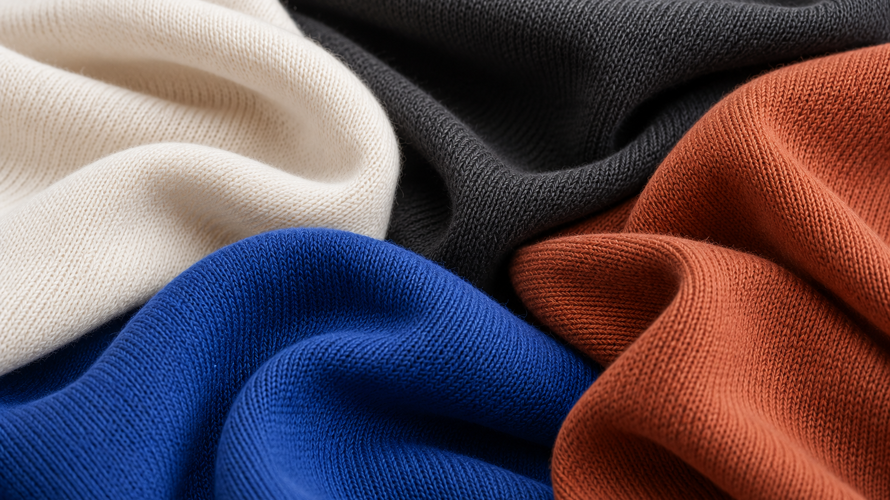
Jersey is a weft-knitted fabric family made by forming yarn into interlocking loops. A single jersey has a smoother face and a more textured reverse, while other knit structures change stability, stretch, edge curl and thickness.
The fibre alone does not determine the result. Cotton, polyester, rayon, modal and blends can all be knitted into jersey, so the buyer should specify the knit structure, GSM, stretch, recovery, width and finish.
What Is Jersey Fabric?
Jersey is built from loops rather than the warp-and-weft interlacement used in woven fabric. A technical jersey guide describes single jersey as a one-needle-bed structure with a distinct face and reverse.
Compare jersey with modal fabric or synthetic fabric by separating fibre from construction. A modal jersey and a polyester jersey may both feel soft but differ in recovery, care and surface.
Use the fabric-weight guide for GSM, then record stretch and recovery under a defined test method.
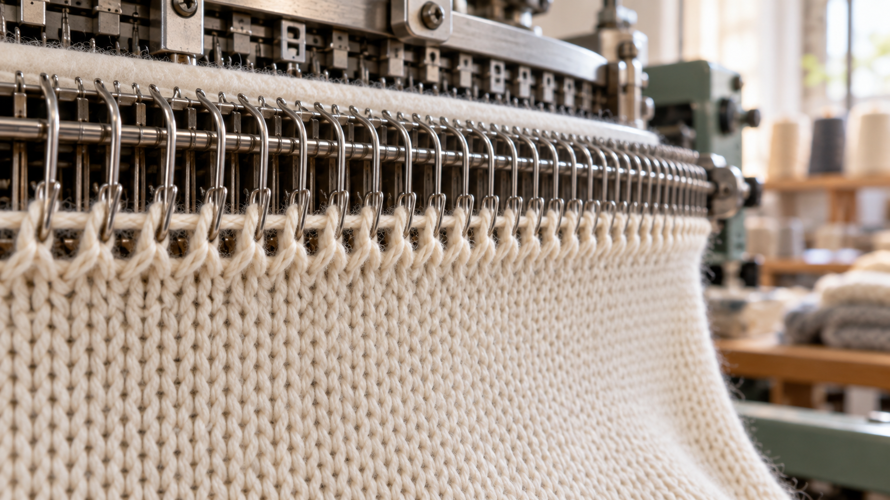
How Is Jersey Fabric Made?
Yarn is fed to knitting needles that form loops. The number of needle beds, loop arrangement, yarn and machine settings determine whether the result is single jersey, interlock, rib or another knit.
The fabric is dyed, printed, compacted, brushed, softened or otherwise finished. Finishing can alter width, GSM, hand, recovery, skew, edge curl and shrinkage.
Approve the actual fabric after finishing on a physical swatch. Test it in the intended direction and after the planned care route.
What Are the Main Jersey Fabric Types?
Name the knit structure with the fibre and weight.
| Direction | Textile character | Potential fit | What to confirm |
|---|---|---|---|
| Single jersey | One-bed knit with distinct face and reverse | T-shirts, dresses and light apparel | GSM, curl, stretch and recovery |
| Interlock | Double-knit structure with smoother, more stable sides | Premium basics and close-fitting products | Density, recovery and thickness |
| Rib knit | Alternating knit and purl columns | Cuffs, trims and stretch panels | Rib width, recovery and distortion |
| Double jersey | Two-bed knit with greater body | Polos, dresses and stable apparel | GSM, drape and dimensional change |
| French terry | Smooth face with looped back | Sweatshirts and relaxed products | Loop size, weight and pilling |
| Blended jersey | Knit structure using two or more fibres | Products needing altered hand or recovery | Blend, care and test result |
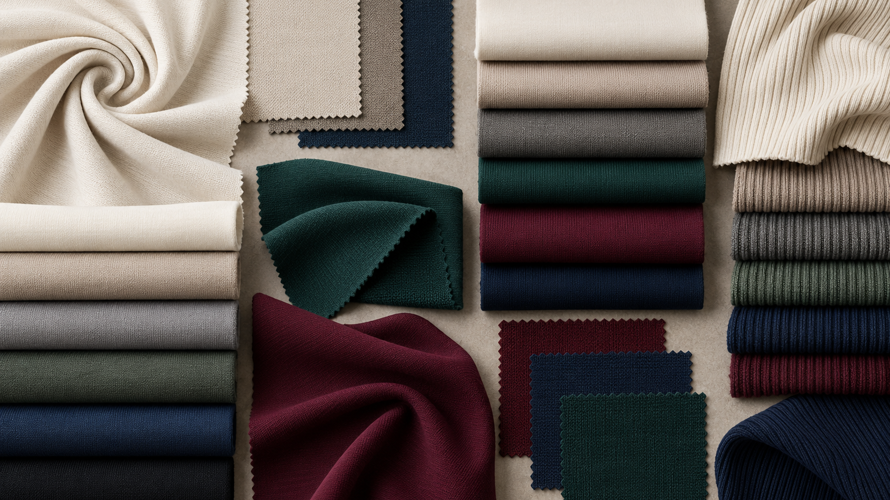
Jersey vs Woven Fabric: What Changes?
Jersey is built from loops and commonly offers more stretch and drape than a basic woven fabric. A woven construction can offer more stable grain and cutting behaviour, but the exact result depends on yarn, density and finish.
Compare jersey with warp and weft by stretch, recovery, edge curl, GSM, width, opacity, print, shrinkage and end use. Neither category is automatically better.
For custom products, test the finished pattern, seam, hem and care route. A loose swatch does not show every cutting or recovery issue.
What Should Buyers Check in Jersey Fabric?
Jersey approval needs both loop-structure and finished-product testing.
Fibre and blend
Confirm cotton, polyester, rayon, modal, elastane or other fibre content.
Knit structure
Record single jersey, interlock, rib, double jersey or another construction.
GSM and width
Control body, opacity, yield and finished dimensions.
Stretch and recovery
Measure direction, percentage, growth and recovery under defined conditions.
Surface and pilling
Check face, reverse, brushing, print, pilling, snagging and shade.
Care and finished sample
Test washing, drying, cutting, seam, edge, hem and finished use.
| Check | Why it matters | Possible risk | Evidence to request |
|---|---|---|---|
| Fibre | Controls hand and care | Knit name hides blend | Composition statement |
| Structure | Controls stretch and stability | Single jersey sold as interlock | Knit record |
| GSM | Controls body and coverage | Wrong weight | GSM and width |
| Recovery | Controls fit and shape | Growth or bagging | Stretch test |
| Surface | Controls customer experience | Pilling or print failure | Finished swatch |
| Finished item | Confirms production | Roll test misleads | Approved sample |
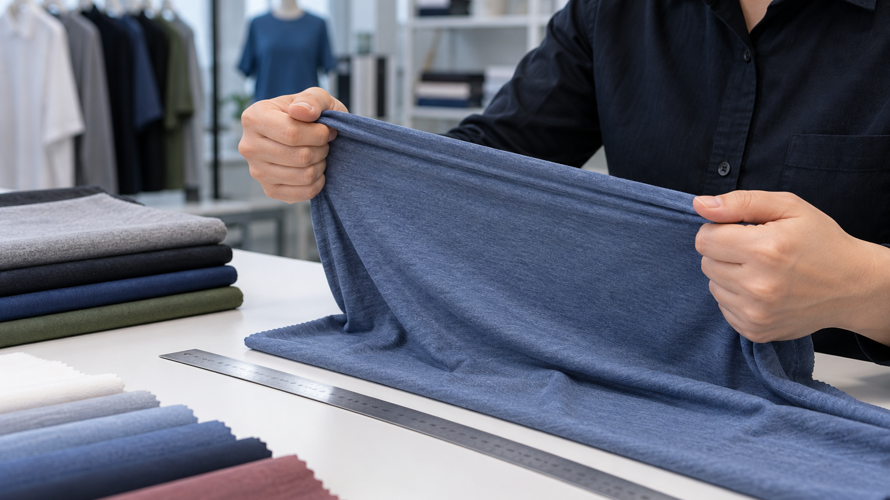
Where Is Jersey Fabric Used?
Jersey is used in T-shirts, dresses, underwear, sleepwear, loungewear, sportswear, scarves, bedding and soft accessories. The right quality depends on stretch, recovery, body, care and end use.
For a soft printed product, compare jersey with rayon fabric or silk by drape, opacity, print, edge, seam and care.
Choose the knit structure before selecting the final fibre blend, because the loops determine much of the product behaviour.

How Should Jersey Fabric Be Specified?
State fibre and blend, knit structure, yarn, GSM, width, stretch direction, recovery, finish, colour or print route, pilling, shrinkage, care and end use. Use the GSM guide for weight comparison.
Attach a jersey swatch with stretch and recovery results, then approve a finished sample with the intended seam, edge and care route.
Frequently Asked Questions
What is jersey fabric?
Jersey is a weft-knitted fabric family made from interlocking loops. Its fibre, knit structure and finish determine the final behaviour.
Is jersey fabric stretchy?
Many jersey fabrics stretch because of their loop structure, but the amount depends on knit, fibre, yarn, GSM and finishing.
What is single jersey?
Single jersey is a one-bed knit with a smoother face and a more textured reverse, often used for light apparel.
What is the difference between jersey and woven fabric?
Jersey uses loops and often has more stretch, while woven fabric uses warp and weft interlacement and may have more stable grain.
Is jersey fabric breathable?
Breathability depends on fibre, GSM, density, finish and product design.
Does jersey shrink?
Some jersey qualities can change during washing and drying. Test the actual construction and care route.
What should a jersey buyer request?
Request composition, knit structure, GSM, width, stretch, recovery, surface, pilling, care and a finished sample.
Conclusion
Jersey is a knit structure, not a complete fibre specification. Control composition, knit type, GSM, stretch, recovery, finish, care and the finished sample before approval.
